
Pull to refresh
Logo
Daily Brief
Following
Why Sign Up
Russia's Alabuga drone factory faces escalating sanctions over migrant trafficking

Russia's Alabuga drone factory faces escalating sanctions over migrant trafficking

Rule Changes
By Newzino Staff |

UK becomes the first country to use human-trafficking sanctions against Russia's war machine, targeting the recruitment pipeline that staffs a Tatarstan Shahed plant

Today: UK designates 35 individuals and entities

Overview

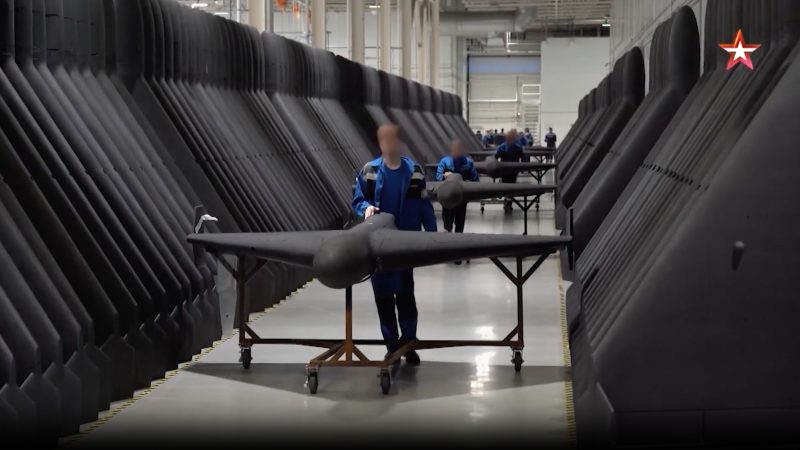
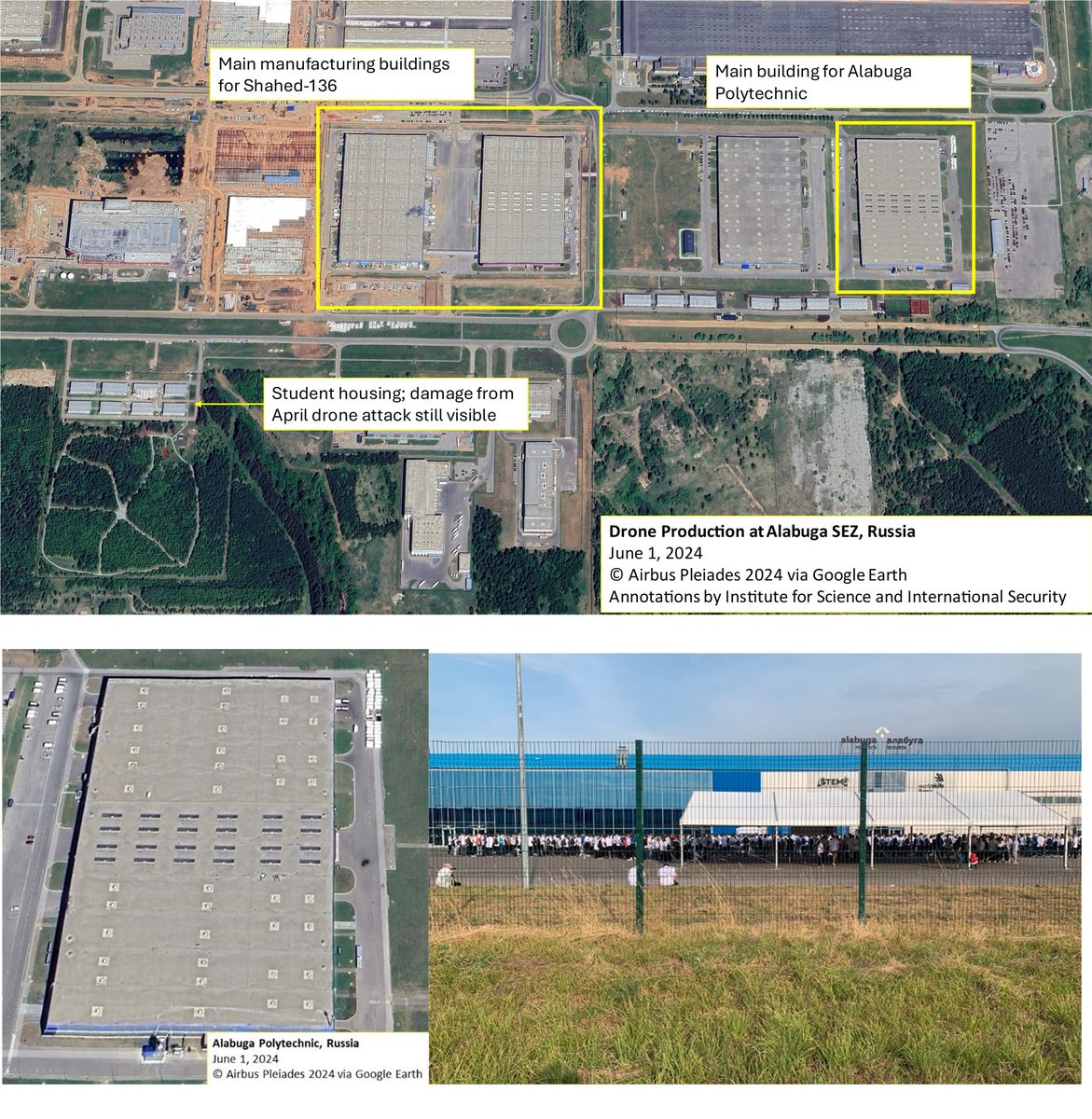
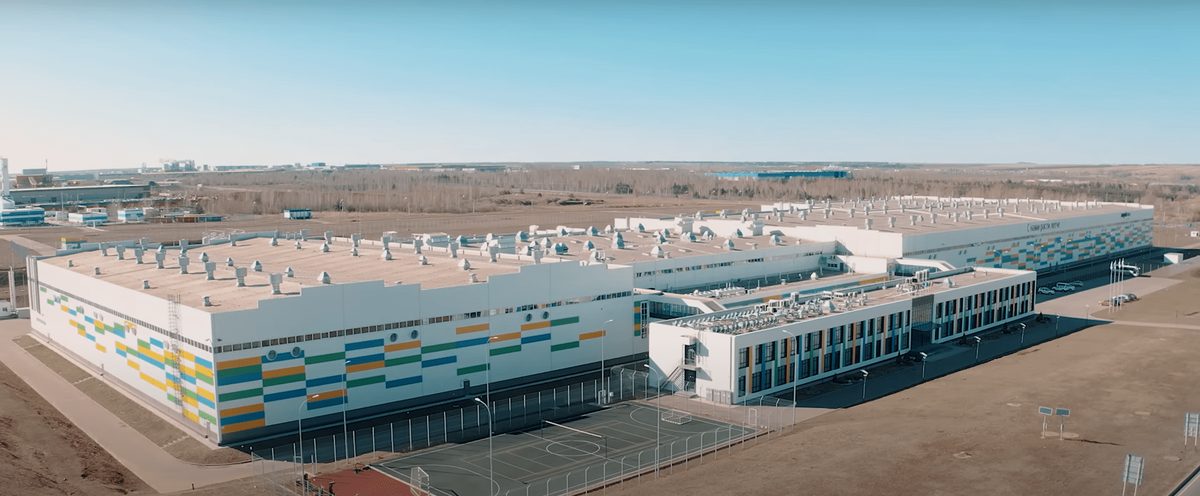
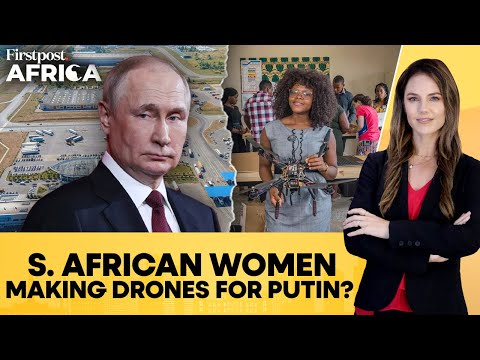
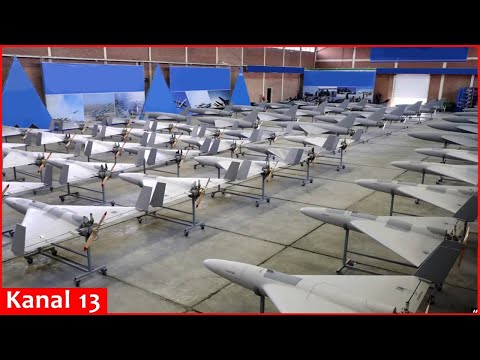
Russia recruits women from Africa, the Middle East, and Latin America with promises of catering and hospitality work, then puts most of them on a Shahed drone assembly line in Tatarstan. On May 5, 2026, the United Kingdom became the first country to apply its human-trafficking sanctions regime to that pipeline, designating 35 people and entities tied to the Alabuga Start programme and to firms in Russia, China, and Thailand that supply drone components.

Why it matters

Russia is fighting Ukraine partly with drones built by trafficked workers; the UK has now made that pipeline a sanctionable offence for the suppliers who keep it running.

Key Indicators

35
People and entities designated
Seventeen under the UK's irregular migration and trafficking regime, eighteen under the Russia regime.
1,000+
Women recruited from Africa
Ugandan officials told the Wall Street Journal that more than a thousand African women have been brought to Alabuga since 2022.
~90%
Recruits assigned to drone line
Investigations have found most arrivals are routed to Shahed assembly rather than the hospitality work advertised.
40+
Countries of origin
Recruits have been drawn from at least forty countries, including Cameroon, Nigeria, Egypt, Iraq, Syria, and Yemen.
First
UK use of trafficking sanctions on Russia
The Global Irregular Migration and Trafficking in Persons regime had not previously been used against actors in Russia's war effort.
11
Component-supply entities hit
Five Russia-based and six in third countries, including Thailand and China.

Interactive

Exploring all sides of a story is often best achieved with Play.

Ever wondered what historical figures would say about today's headlines?

Sign up to generate historical perspectives on this story.

Sign Up

Debate Arena

Two rounds, two personas, one winner. You set the crossfire.

People Involved

Organizations Involved

Timeline

  1. UK designates 35 individuals and entities

    Sanctions

    The Foreign Office announces the first joint use of the Russia regime and the Global Irregular Migration and Trafficking in Persons regime, hitting Alabuga Start operators, drone designer Pavel Nikitin, and 11 component suppliers across Russia, China, and Thailand.

  2. EU exit deadline for Western firms at Alabuga passes

    Sanctions

    EU-required deadline for European companies to end operations at the site lapses with several firms still present.

  3. South Africa launches national investigation

    Investigation

    South African foreign ministry confirms a probe into Alabuga Start recruitment, including involvement of local social-media influencers.

  4. Interpol probe opens in Botswana

    Investigation

    Interpol begins examining whether Alabuga Start recruitment in Botswana meets human-trafficking definitions.

  5. Tech platforms remove Alabuga recruitment content

    Corporate

    YouTube, Facebook, Instagram, and TikTok pull Alabuga social media accounts and recruitment posts following the AP report.

  6. AP investigation exposes trafficking pattern

    Investigation

    Associated Press publishes interviews with African women describing deception, drone-line work, and toxic exposures at Alabuga.

  7. US Treasury sanctions Alabuga SEZ and affiliates

    Sanctions

    Treasury designates Alabuga management, GEA OOO, Alabuga Machinery, and Iranian counterparts for facilitating drone production.

  8. Alabuga shifts toward Shahed mass production

    Industrial

    Russia begins serial assembly of Iranian-designed Shahed-136 attack drones at Alabuga, eventually producing tens of thousands.

  9. Alabuga Start programme launches recruitment

    Programme

    Alabuga SEZ begins advertising international internships in hospitality, catering, and language study aimed primarily at young women aged 18-22.

  10. Russia launches full-scale invasion of Ukraine

    Conflict

    The invasion sets in motion Russia's eventual demand for mass-produced attack drones and the labour pipeline to build them.

Scenarios

1

Allies adopt human-trafficking sanctions against Russia's war machine

Discussed by: UK Foreign Office officials briefing reporters; analysts at the Royal United Services Institute and the Foundation for Defense of Democracies

The European Union, Canada, and Australia each maintain trafficking-specific sanctions tools that have not yet been pointed at Russian war production. UK officials framed the May package as a template, and prior sanctions packages have generally been mirrored by partners within months. If two or more allies follow, the legal exposure for third-country recruiters and suppliers expands materially even if the Russian principals are unaffected.

2

Third-country suppliers in China and Thailand quietly cut ties

Discussed by: Sanctions compliance practitioners; reporting in Reuters and the Kyiv Independent on prior Russia supply-chain designations

Past designations of named Chinese and Thai intermediaries have produced visible drop-offs in shipments to sanctioned Russian buyers, even where the home government does not enforce. Banks and shippers de-risk to preserve dollar and sterling access. The UK package targets identifiable firms rather than abstract networks, which makes commercial avoidance more tractable.

3

Recruitment shifts to less-monitored countries and the scheme continues

Discussed by: Foundation for Defense of Democracies; reporting in The Moscow Times and Bloomberg on Latin American recruitment expansion

Alabuga Start has already expanded from African to Latin American recruitment as African scrutiny intensified. The pattern suggests that designations of named recruiters slow but do not stop the pipeline; new intermediaries appear in jurisdictions with weaker enforcement. Production at the plant would continue even as the UK list grows.

4

Source-country prosecutions of Alabuga Start recruiters

Discussed by: South African Department of International Relations; Interpol Botswana; an Argentine criminal complaint already filed against former reality-TV recruiters

Several governments now have active probes. Sanctions designations strengthen the evidentiary basis for domestic trafficking prosecutions, since UK findings can be cited in foreign proceedings. A first conviction in Africa or Latin America would raise the personal cost for would-be recruiters more than any sanction.

Historical Context

UN sanctions on North Korean overseas labour (2017)

September 2017

What Happened

United Nations Security Council Resolution 2375 required member states to expel North Korean workers, who were sent abroad in their tens of thousands and whose wages were largely captured by the regime. Russia, China, the Gulf states, and several African countries had hosted them in construction, garments, and seafood processing.

Outcome

Short Term

Most countries publicly committed to expulsions and headline numbers fell sharply within two years.

Long Term

Enforcement weakened over time; Russia in particular has been documented hosting North Korean workers again under student and tourist pretexts, showing that sanctions on state-run labour pipelines slow rather than end them.

Why It's Relevant Today

The clearest precedent for sanctioning a state-run scheme that monetises foreign labour for a sanctioned military programme. It shows both the leverage of multilateral action and the limits of unilateral designations when source countries do not enforce.

Uyghur Forced Labor Prevention Act (2021)

December 2021

What Happened

The United States enacted a rebuttable presumption that any goods produced wholly or partly in Xinjiang involve forced labour, blocking imports unless companies prove otherwise. The law targeted a state-organised labour-transfer system rather than individual factories.

Outcome

Short Term

Customs detentions of solar, cotton, and tomato shipments rose sharply; multinational supply chains were rerouted.

Long Term

It established the template of using forced-labour findings to reach state-linked production at scale, a legal theory the UK has now applied in a narrower form against Alabuga.

Why It's Relevant Today

Demonstrates that human-trafficking and forced-labour authorities can be turned against state-organised production systems, not just rogue traffickers, and that the legal theory now used by the UK has working precedent.

US sanctions on Iran's Shahed drone supply chain (2022-2024)

September 2022 - February 2024

What Happened

Successive US Treasury actions designated Iranian manufacturers, freight forwarders, and front companies that funnelled Shahed-136 components to Russia, including networks reaching into the United Arab Emirates, Turkey, and China. The February 2024 round added Alabuga itself.

Outcome

Short Term

Component flows shifted to less-exposed intermediaries; some Western parts continued to appear in recovered drones.

Long Term

Established the Shahed supply chain as a recurring sanctions target and built the evidentiary base the UK now draws on for its component-side designations.

Why It's Relevant Today

The UK package is the labour-side complement to two years of US-led component-side action against the same plant. Whether the two pressures combine to slow Alabuga, or merely route around each, is the central open question of this story.

Sources

(8)