

Pull to refresh
Logo
Germany's Intersnack takes US snack maker Utz private

Germany's Intersnack takes US snack maker Utz private

Money Moves

A 91% premium ends Utz's six-year run on public markets and splits ownership between Intersnack and the founding family

July 21st, 2026: Intersnack agrees to take Utz private

Overview

Updated Jul 21

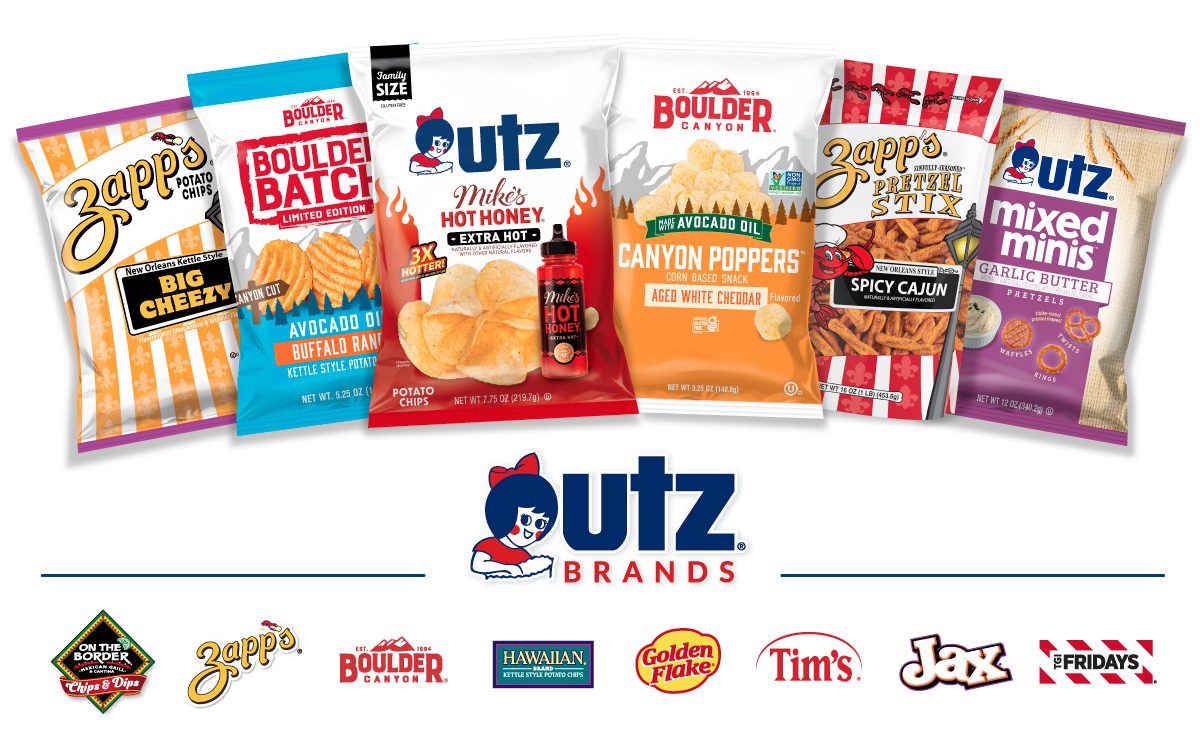
Utz has made potato chips and pretzels in Hanover, Pennsylvania, since 1921. After almost six years on the New York Stock Exchange, its founding family is joining a German snack maker to take the company private again.

Intersnack will pay $14.25 a share in cash. That is a 91% premium over Utz's prior close and values the company at about $2.9 billion. Once the deal closes, Intersnack and the Rice and Lissette family entities will each own half of Utz, and the stock will stop trading.

Why it matters

A 105-year-old American snack brand is leaving public markets, folding into a European snack giant at nearly double its share price.

Questions about this story

Free account needed to ask — your question is kept and asked for you right after sign-up. Answers are public.

No questions yet — be the first to ask.

Key Indicators

$2.9B
Deal value
Enterprise value of the all-cash take-private, including debt.
$14.25
Price per share
Cash paid for each Utz Class A share.
91%
Premium over prior close
Markup versus Utz's July 20 closing price.
50/50
Ownership split after close
Intersnack and the Rice and Lissette family entities each hold half.
42%
Shares already committed to vote yes
The family and affiliates have pledged this stake to the deal.

Voices

Curated perspectives — historical figures and your fellow readers.

Ever wondered what historical figures would say about today's headlines?

Sign up to generate historical perspectives on this story.

People Involved

Organizations Involved

Timeline

January 1921 July 2026

3 events Latest: July 21st, 2026 · 2 months ago
  1. Intersnack agrees to take Utz private

    Latest Deal

    Utz announces an all-cash agreement to be bought by Germany's Intersnack for $14.25 a share, about $2.9 billion. Intersnack and the founding families will each own half; the stock will delist.

  2. Utz goes public via SPAC

    Corporate

    Utz merges with Collier Creek Holdings and begins trading on the NYSE under the ticker UTZ. The founding families keep a large stake.

  3. Utz founded in Pennsylvania

    Origin

    The Utz family starts a pretzel and chip business in Hanover, Pennsylvania.

Scenarios

1

Utz goes private on schedule in late 2026

Likely Resolves by Jan 31, 2027

Discussed by: BNN Bloomberg, Seeking Alpha, company statements

Shareholders approve the deal and regulators clear it, matching the stated Q4 2026 target. The founding families already control about 42% of the vote and back the sale, and the 91% premium gives minority holders a strong reason to say yes. Utz delists from the NYSE and becomes a private company owned equally by Intersnack and the Rice and Lissette family entities.

2

Closing slips into 2027

Possible Resolves by Q2 2027

Discussed by: Deal terms in SEC 8-K filing

Regulatory review or shareholder-vote timing pushes the close past the Q4 2026 target. Cross-border deals often need antitrust and foreign-investment clearances that can run long. The deal still completes, but later than planned.

3

Minority shareholders reject the buyout

Unlikely Resolves by Q1 2027

Discussed by: Deal terms requiring a majority-of-minority vote

The deal needs approval from a majority of shares not held by the family. If enough minority holders judge $14.25 too low despite the premium, the vote fails and the take-private stalls. This is a high bar to clear against a near-doubling of the share price.

4

A rival bidder tops Intersnack's offer

Unlikely Resolves by End of 2026

Discussed by: M&A analysts on competitive dynamics

Another snack or food company discloses a higher bid for Utz before the deal closes. The founding families' 42% commitment and their 50/50 partnership with Intersnack make a successful rival bid hard, but a public superior proposal would still count.

Historical Context

3 moments from history that rhyme with this story — and how they unfolded.

July 2017

JAB Holding takes Panera Bread private (2017)

JAB Holding, the investment arm of Germany's Reimann family, bought Panera Bread for about $7.5 billion and pulled it off public markets. JAB had already assembled Keurig, Peet's, and Krispy Kreme.

Then

Panera left the stock market and stopped filing quarterly results, giving JAB room to reshape it without public scrutiny.

Now

The deal showed European family capital could take large US food brands private and run them for years outside public markets.

Why this matters now

Like Intersnack with Utz, a European family holding used private ownership to take control of a well-known American food brand.

January 2018

Ferrero buys Nestlé's US candy business (2018)

Italy's family-owned Ferrero paid about $2.8 billion for Nestlé's US confectionery unit, gaining brands such as Butterfinger and Baby Ruth. It was Ferrero's largest push into the American market.

Then

Ferrero jumped into the top ranks of US candy makers overnight and added US factories to its network.

Now

The deal is a template for a European family snack company using acquisitions to build American scale.

Why this matters now

Intersnack is making a similar move: a European family-owned snack maker buying its way into the US market in one large deal.

March 2018

Campbell acquires Snyder's-Lance (2018)

Campbell Soup bought Snyder's-Lance, the maker of pretzels and Cape Cod chips, for about $6.1 billion. The deal folded a major independent salty-snack maker into a larger food company.

Then

Campbell gained a large chips-and-pretzels business but took on heavy debt to pay for it.

Now

It marked a wave of consolidation that has left fewer independent US salty-snack makers standing.

Why this matters now

Utz is one of the last big independent US salty-snack makers; this deal continues the consolidation Snyder's-Lance started.

Sources

(6)