Pull to refresh
Logo
Daily Brief
Following
Why Sign Up
Henkel buys Olaplex for $1.4 billion after the hair-care brand lost 95% of its value

Henkel buys Olaplex for $1.4 billion after the hair-care brand lost 95% of its value

Money Moves
By Newzino Staff |

German consumer goods giant acquires the once-high-flying bond-repair brand at a fraction of its former valuation, marking the end of Advent International's troubled investment

Yesterday: Henkel agrees to acquire Olaplex for $1.4 billion

Overview

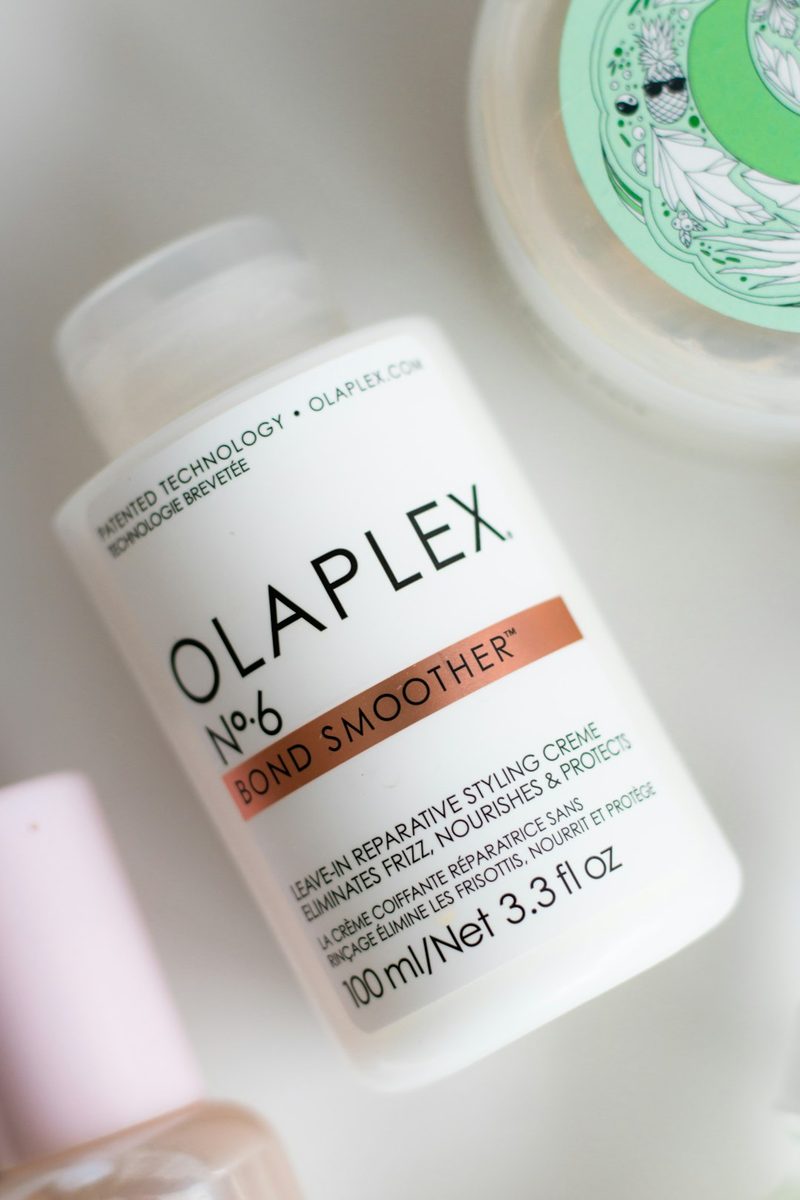
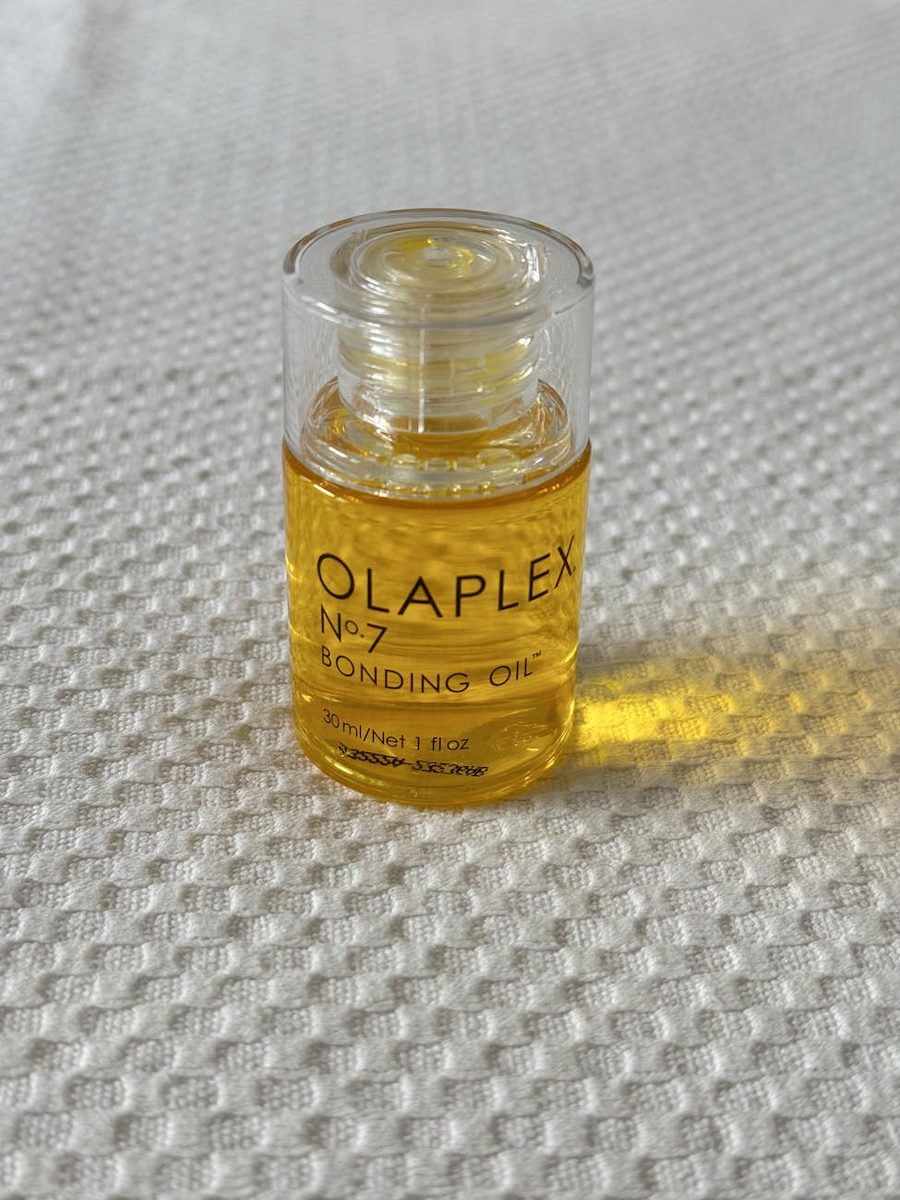
Olaplex went public in September 2021 at a valuation north of $15 billion, riding a wave of consumer enthusiasm for its patented bond-repair hair treatments. Four and a half years later, after lawsuits alleging hair loss, a banned ingredient scandal, and relentless competition, German consumer goods conglomerate Henkel agreed to buy the company for $1.4 billion—roughly a tenth of what it was once worth.

Why it matters

A once-dominant prestige beauty brand's collapse shows how fast consumer trust can evaporate—and how acquirers profit from the wreckage.

Key Indicators

~95%
Stock decline from peak
Olaplex shares fell from an all-time high of $29.41 in January 2022 to a 52-week low of $0.99 in early 2026
$1.4B
Acquisition price
Henkel is paying roughly one-tenth of Olaplex's peak market capitalization
55%
Premium over prior close
The $2.06 per share offer compares with a closing price of $1.33 on March 25, 2026
$47.5M
Securities class action settlement
Olaplex settled allegations it failed to disclose the use of an ingredient banned in the European Union

Interactive

Exploring all sides of a story is often best achieved with Play.

Dorothy Parker

Dorothy Parker

(1893-1967) · Jazz Age · wit

Fictional AI pastiche — not real quote.

"A brand celebrated for mending broken bonds managed, with impressive efficiency, to break every financial one it had — and now a German conglomerate swoops in to rescue what the lawyers left behind, which is the very definition of a bargain sale on damaged goods."

Ayn Rand

Ayn Rand

(1905-1982) · Cold War · philosophy

Fictional AI pastiche — not real quote.

"A brand built on genuine innovation — the science of repairing what is broken — destroyed not by competition but by its own failure to maintain the rational integrity that created it; and now a German conglomerate collects the corpse at ten cents on the dollar, which is precisely what happens when men treat a great idea as a vehicle for speculation rather than a monument to productive achievement."

Ever wondered what historical figures would say about today's headlines?

Sign up to generate historical perspectives on this story.

Sign Up

Debate Arena

Two rounds, two personas, one winner. You set the crossfire.

People Involved

Organizations Involved

Timeline

  1. Henkel agrees to acquire Olaplex for $1.4 billion

    Acquisition

    Henkel announces an all-cash deal at $2.06 per share, a 55% premium. Olaplex's board and controlling shareholder Advent International approve the transaction, expected to close in the second half of 2026.

  2. Olaplex stock hits 52-week low of $0.99

    Financial

    Shares fall below $1 for the first time, erasing virtually all value since the 2021 initial public offering.

  3. Court grants final approval of securities settlement

    Legal

    A federal court approves the $47.5 million settlement, closing a chapter on the securities litigation.

  4. Securities class action settled for $47.5 million

    Legal

    Olaplex reaches a $47.5 million settlement in a securities fraud case alleging the company failed to disclose its use of an EU-banned ingredient in initial public offering documents.

  5. "Made in USA" class action filed

    Legal

    A separate lawsuit alleges Olaplex falsely labeled products as "Made in the USA" despite containing foreign-sourced ingredients.

  6. Amanda Baldwin named chief executive

    Corporate

    Former Supergoop chief executive Amanda Baldwin takes over at Olaplex, tasked with stabilizing a brand in freefall.

  7. Lawsuit alleges Olaplex products caused hair loss

    Legal

    Nearly 30 plaintiffs file suit claiming Olaplex products containing lilial and panthenol caused hair loss and scalp injuries. The litigation triggers a wave of negative publicity.

  8. European Union ban on lilial takes effect

    Regulatory

    The EU bans lilial, a fragrance ingredient linked to reproductive harm in animal studies, from cosmetics. Olaplex had used lilial in some products and stopped selling them in 2022 but did not proactively warn consumers.

  9. Stock hits all-time high of $29.41

    Financial

    Olaplex reaches a peak market capitalization above $15 billion, making it one of the most valuable standalone hair-care companies in the world.

  10. Olaplex goes public at $21 per share

    Financial

    Olaplex lists on Nasdaq under ticker OLPX, offering over 84 million shares. The stock quickly climbs past its offering price.

  11. Olaplex founded in Santa Barbara

    Corporate

    Dean Christal and University of California, Santa Barbara chemists Dr. Eric Pressly and Dr. Craig Hawker launch Olaplex, built on a patented bond-repair molecule.

Scenarios

1

Deal closes smoothly, Henkel integrates Olaplex into premium portfolio

Discussed by: Henkel management, industry analysts at Women's Wear Daily and Cosmetics Business

Regulatory approval proceeds without objection, and the deal closes in the second half of 2026 as planned. Henkel pairs Olaplex's prestige positioning with Schwarzkopf's mass-market distribution, using its AI-driven diagnostic tools to offer personalized Olaplex routines. The brand stabilizes under corporate ownership with broader resources for research and development, though it may lose some of the indie cachet that fueled its original rise.

2

Olaplex brand continues to erode despite Henkel's investment

Discussed by: Beauty industry analysts, investors tracking prestige brand lifecycle patterns

Henkel closes the deal but struggles to reverse Olaplex's reputational damage. The lilial controversy and hair-loss associations linger in consumer memory, and competitors like K18 (acquired by Unilever in 2024) and Epres (created by Olaplex's original inventor) continue to capture market share. Olaplex becomes a mid-tier brand in Henkel's portfolio rather than the prestige crown jewel the company envisioned.

3

Rival bidder emerges, forcing Henkel to raise its offer or walk away

Discussed by: Mergers and acquisitions analysts, financial press covering beauty consolidation

A competing bidder—potentially L'Oréal, which acquired Color Wow in 2025, or another consumer goods company—makes a higher offer during the pre-closing period. Olaplex's board would be obligated to consider a superior proposal. Given the stock's depressed valuation, even a modest counterbid could exceed Henkel's price. However, Advent International's support for the Henkel deal and Olaplex's reputational headwinds make a bidding war unlikely.

4

Ongoing product liability litigation complicates the acquisition

Discussed by: Legal analysts, Consumer Shield, class action tracking firms

While the securities class action has been settled, individual product liability claims alleging hair loss remain active. If these claims gain traction or new evidence surfaces, Henkel could face significant post-acquisition liabilities. The deal likely includes indemnification provisions, but unresolved litigation creates uncertainty around total acquisition cost.

Historical Context

Unilever's acquisition of K18 (2024)

February 2024

What Happened

Unilever acquired K18, a biotech-driven premium hair-care brand built on a patented peptide that repairs keratin damage—a direct competitor to Olaplex's bond-repair technology. The deal was part of Unilever's decade-long prestige beauty acquisition spree led by executive Vasiliki Petrou, which included brands like Dermalogica, Living Proof, and Paula's Choice.

Outcome

Short Term

K18 gained access to Unilever's global distribution while maintaining its prestige positioning, intensifying competitive pressure on Olaplex.

Long Term

The acquisition established a template for major consumer goods companies snapping up science-backed hair-care brands—exactly the playbook Henkel is now following with Olaplex.

Why It's Relevant Today

Henkel's Olaplex deal mirrors Unilever's K18 acquisition in strategy but differs dramatically in circumstance: Unilever bought a brand on the rise, while Henkel is buying one at its nadir, betting on rehabilitation rather than momentum.

Coty's acquisition of Procter & Gamble beauty brands (2016)

October 2016

What Happened

Coty Inc. paid $12.5 billion to acquire 43 beauty brands from Procter & Gamble, including Wella, Clairol, and CoverGirl. The deal was the largest in beauty industry history, driven by Coty's ambition to leapfrog from a mid-tier player to a global beauty powerhouse. The acquired brands had been underperforming under Procter & Gamble's consumer goods structure.

Outcome

Short Term

Integration proved far more difficult than expected. Coty struggled with supply chain disruptions and declining sales in the acquired portfolio.

Long Term

Coty eventually wrote down billions in goodwill and sold off several brands. The deal became a cautionary tale about acquiring distressed beauty assets without a clear plan to revitalize them.

Why It's Relevant Today

Henkel faces a similar challenge: buying a beauty brand whose best days may be behind it. The Coty-P&G deal shows that a discounted price does not guarantee a successful turnaround if brand equity has fundamentally eroded.

Revlon's bankruptcy and acquisition by Marchetti Holdings (2023)

2022-2023

What Happened

Revlon, once the world's most iconic cosmetics brand, filed for Chapter 11 bankruptcy in June 2022 with $3.7 billion in debt. The 90-year-old company had been losing market share for over a decade to direct-to-consumer and prestige brands. Indian billionaire Mukesh Ambani's Marchetti Holdings acquired the company out of bankruptcy in 2023.

Outcome

Short Term

Revlon emerged from bankruptcy with a cleaner balance sheet, but the brand's cultural relevance had diminished significantly.

Long Term

The acquisition demonstrated that even deeply distressed beauty brands retain residual value—brand recognition, distribution relationships, and formulation expertise—that strategic acquirers can exploit.

Why It's Relevant Today

Olaplex's trajectory echoes Revlon's arc of rapid rise, reputational damage, and value destruction, though Olaplex is being acquired before reaching bankruptcy. The question is whether Henkel can extract value from a damaged brand the way Revlon's new owners attempted to.

Sources

(10)