




Pull to refresh
Logo
Vanda's HETLIOZ clears Phase III in delayed sleep-wake phase disorder

Vanda's HETLIOZ clears Phase III in delayed sleep-wake phase disorder

New Capabilities

Positive results put tasimelteon on track to become the first FDA-approved medicine for the circadian disorder

Yesterday: Positive Phase III results announced

Overview

Updated 1 hour ago

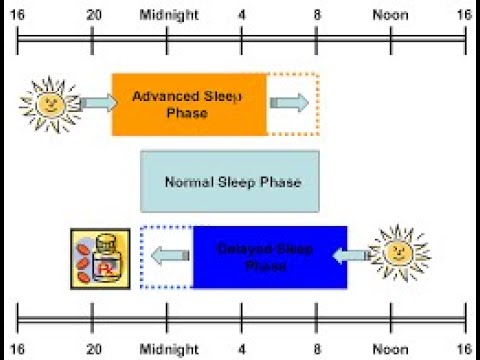
Vanda Pharmaceuticals said a late-stage trial of HETLIOZ (tasimelteon) shifted the timing of sleep onset 37.1 minutes earlier than placebo in adults with delayed sleep-wake phase disorder (DSWPD). The result was statistically significant (p=0.022), and 60% of treated patients advanced their sleep by at least 30 minutes, versus 15% on placebo.

Vanda now plans to discuss the data with the U.S. Food and Drug Administration (FDA) and submit a supplemental new drug application (sNDA). If approved, HETLIOZ would be the first FDA-approved medicine for DSWPD, a condition Vanda estimates affects 0.5 to 4.1 million U.S. adults.

Why it matters

HETLIOZ would be the first FDA-approved treatment for up to 4.1 million Americans whose internal clocks run late.

Questions about this story

Free account needed to ask — your question is kept and asked for you right after sign-up. Answers are public.

No questions yet — be the first to ask.

Key Indicators

37.1 min
Placebo-adjusted sleep onset advance
Primary endpoint: sleep onset moved 37.1 minutes earlier than placebo (p=0.022).
60%
Responder rate on tasimelteon
Advanced sleep onset by at least 30 minutes, versus 15% on placebo (p=0.008).
20
Patients analyzed per trial arm
43 patients with DSWPD enrolled across 26 sites; 20 analyzed per arm.
0.5–4.1M
Estimated U.S. adults with DSWPD
Vanda's own prevalence estimate for the condition.

Voices

Curated perspectives — historical figures and your fellow readers.

Ever wondered what historical figures would say about today's headlines?

Sign up to generate historical perspectives on this story.

People Involved

Organizations Involved

Timeline

2014 September 2026

5 events Latest: Yesterday
Tap a bar to jump to that date
  1. Positive Phase III results announced

    Latest Results

    Sleep onset shifted 37.1 minutes earlier than placebo (p=0.022); stock rose 12% after hours to $5.63.

  2. Phase III trial completes

    Study

    Primary data collection ends after enrolling 43 patients over more than five years.

  3. Phase III DSWPD trial begins

    Study

    Vanda opens NCT04652882, a double-blind, placebo-controlled study of tasimelteon 20 mg across 26 U.S. and European sites.

  4. FDA approves HETLIOZ for Smith-Magenis Syndrome

    Regulatory

    Second approval extends the same 20 mg dose to nighttime sleep disturbances in the rare genetic disorder.

  5. FDA approves HETLIOZ for Non-24-Hour Sleep-Wake Disorder

    Regulatory

    First FDA-approved drug for the circadian disorder, establishing tasimelteon as a circadian regulator.

Scenarios

1

FDA approves HETLIOZ as first DSWPD treatment

Likely Resolves by End of 2028

Discussed by: Vanda management; bullish read in Investing.com and StockTitan coverage

The FDA accepts the sNDA and grants approval based on the Phase III result plus more than a decade of safety data across two approved indications. That would make HETLIOZ the first approved medicine for DSWPD and give Vanda a third circadian indication in a far larger patient population than its current markets.

2

FDA issues complete response letter on DSWPD application

Possible Resolves by End of 2028

Discussed by: Skeptics of the small trial — just 43 patients enrolled across 26 sites

The FDA decides the 28-day study is insufficient evidence and issues a complete response letter requesting more data. The enrolled population of 43 patients is small, and Vanda itself notes DSWPD is underdiagnosed, which could complicate recruitment for any confirmatory trial. Approval would be pushed back by years.

3

sNDA submission slips past mid-2027

Possible Resolves by Q2 2027

Discussed by: Vanda's own guidance — no filing date given on Sept. 29

The promised FDA discussion and sNDA filing take longer than expected, pushing submission into late 2027 or beyond and stretching the approval timeline. A delay could reflect FDA requests for additional analysis rather than outright rejection, but it would still postpone any launch and add uncertainty about trial sufficiency.

Historical Context

2 moments from history that rhyme with this story — and how they unfolded.

January 2014

HETLIOZ first approval for Non-24 (2014)

The FDA approved HETLIOZ for Non-24-Hour Sleep-Wake Disorder, a circadian condition nearly exclusive to totally blind people. It was the first drug approved for any circadian rhythm sleep disorder.

Then

Vanda launched the drug and established tasimelteon as the reference circadian regulator.

Now

It set FDA precedent for accepting melatonin-receptor agonist data and small studies in circadian disorders.

Why this matters now

HETLIOZ has already cleared the FDA's bar twice; DSWPD approval would be a third, in a much larger patient population.

2020

Smith-Magenis Syndrome approval (2020)

The FDA approved HETLIOZ for nighttime sleep disturbances in Smith-Magenis Syndrome, a rare genetic disorder, extending the label to a second circadian indication and adding a pediatric oral suspension.

Then

Vanda gained a second approved population and a pediatric formulation.

Now

It demonstrated FDA willingness to expand the same 20 mg dose across circadian disorders.

Why this matters now

The DSWPD program seeks the same pattern — same dose, third indication — in a far larger patient group.

Sources

(6)