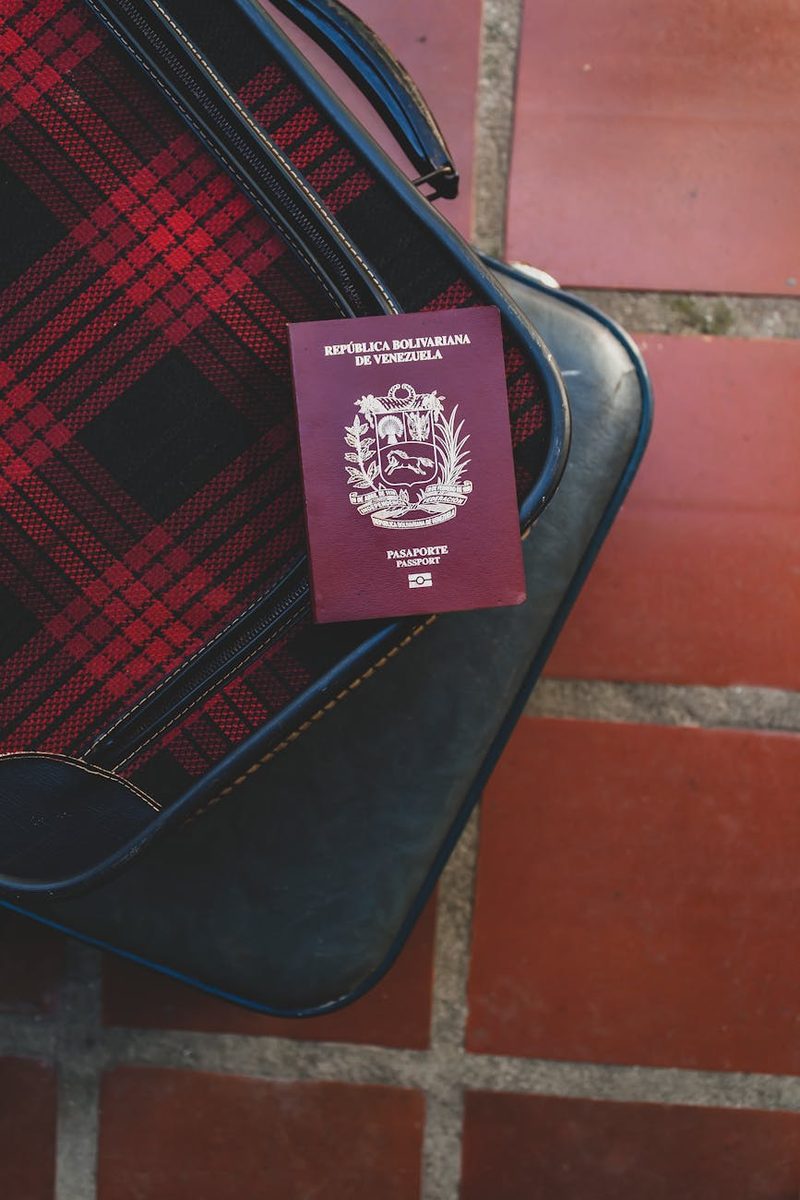
Venezuela received Temporary Protected Status in 2021, shielding hundreds of thousands from deportation. In January 2025, newly appointed Secretary Kristi Noem moved to terminate it—an action federal courts have blocked as exceeding her authority.
The legal question is simple: Can a cabinet secretary undo a predecessor's TPS designation? Federal courts say no, citing both statutory limits and evidence of discriminatory intent, with one judge finding 'substantial' likelihood the decision was motivated by 'hostility to nonwhite immigrants.' The Trump administration says yes—the secretary's discretion is absolute.
Courts have blocked Noem's terminations across multiple countries on similar grounds. Judges blocked her actions in Washington (Haiti, February 3, 2026) and in other cases (Honduras, Nepal, Nicaragua in December 2025; Syria in November 2025). Yet the Supreme Court stayed these orders.
Roughly 600,000 Venezuelans, 89,000 from Honduras/Nepal/Nicaragua, and thousands of Syrians are in legal limbo, stripped of work authorization and facing deportation. On February 25, 2026, DHS filed an emergency application to allow the Syria termination to proceed. The Court's willingness to grant stays could signal either receptiveness to the administration's statutory interpretation or traditional deference to the executive on immigration matters.
Questions about this story
Free account needed to ask — your question is kept and asked for you right after sign-up. Answers are public.
No questions yet — be the first to ask.
Key Indicators
600,000+
Total Affected by Terminations
Approximate number of TPS holders from Venezuela, Haiti, Honduras, Nepal, Nicaragua, and Syria facing termination or legal uncertainty
4-1
Court Rulings Against DHS
District courts in California, D.C., and New York have ruled terminations unlawful; 9th Circuit affirmed; Supreme Court has not yet ruled on merits
4
Countries with Stayed Terminations
Venezuela, Haiti, Honduras/Nepal/Nicaragua, and Syria all have Supreme Court stays allowing terminations despite lower court injunctions
Feb 25, 2026
Syria Emergency Application Filed
DHS filed emergency application with Supreme Court to allow Syria TPS termination to proceed
Images from Openverse under Creative Commons licenses.
Videos from YouTube.
Voices
Curated perspectives — historical figures and your fellow readers.
Ayn Rand
(1905-1982) ·Cold War · philosophy
Fictional AI pastiche — not real quote.
"The spectacle of courts wrestling over who has the "authority" to grant or revoke permission for hundreds of thousands to remain reveals the fundamental corruption of treating human beings as wards of bureaucratic discretion rather than sovereign individuals. A nation built on individual rights would welcome productive immigrants through open borders—not trap them in a degrading lottery of arbitrary executive orders and judicial injunctions, their fate decided by whether some political appointee harbors the right or wrong racial "hostilities.""
100% found this insightful
Ever wondered what historical figures would say about today's headlines?
Sign up to generate historical perspectives on this story.
18 events
Latest: February 25th, 2026 · 7 months ago
Showing 8 of 18
JK to step
Tap a bar to jump to that date
Jump to
February 2026
DHS Files Emergency Application for Syria TPS
LatestLegal
The Department of Homeland Security files an emergency application with the Supreme Court asking it to allow the termination of TPS for Syria to proceed. A federal district court in New York had blocked the termination in November 2025, and the Second Circuit declined to lift that order.
The Ninth Circuit Court of Appeals stays a lower court's final ruling in National TPS Alliance v. Noem (NTPSA II), allowing DHS to proceed with terminating TPS for Honduras, Nepal, and Nicaragua affecting approximately 89,000 individuals, despite the district court's finding that the terminations were unlawful and tainted by discriminatory animus.
January 2026
9th Circuit Affirms Summary Judgment
Legal
A three-judge panel rules that Noem exceeded her statutory authority. Judge Mendoza's concurrence cites 'ample evidence of racial and national origin animus.'
December 2025
District Court Blocks Honduras/Nepal/Nicaragua Terminations
Legal
Judge Trina Thompson of the Northern District of California issues summary judgment blocking DHS from terminating TPS for Honduras, Nepal, and Nicaragua, finding credible evidence of discriminatory animus and inadequate assessment of country conditions. The ruling affects approximately 89,000 TPS holders.
November 2025
District Court Blocks Syria TPS Termination
Legal
Judge Katherine Polk Failla of the Southern District of New York orders the Trump administration to halt its termination of Syria's TPS designation, citing the President's 'sweeping and erroneous statements' concerning an 'anti-immigrant agenda' and finding that termination decisions were 'grounded not in law and not in fact, but in political considerations.'
2021 TPS Designation Officially Ends
Policy
The termination of the 2021 Venezuela TPS designation takes effect, ending protections for 268,000 additional Venezuelan nationals.
October 2025
Supreme Court Issues Second Stay
Legal
The Supreme Court stays the district court's summary judgment order in an unsigned, unexplained decision, allowing the termination to take effect pending final resolution.
September 2025
District Court Grants Summary Judgment for Plaintiffs
Legal
Judge Chen rules on the merits that the termination was unlawful, setting aside Noem's decision and restoring the 2023 TPS designation.
DHS Terminates 2021 Venezuela TPS Designation
Policy
Separately from the 2023 designation litigation, Secretary Noem terminates the original 2021 TPS designation, affecting an additional 268,000 Venezuelans.
August 2025
9th Circuit Affirms Preliminary Injunction
Legal
A three-judge panel rules that Noem's termination was unlawful, finding the TPS statute does not authorize the secretary to vacate an existing designation.
May 2025
Supreme Court Grants First Stay
Legal
In an 8-1 vote, the Supreme Court stays Judge Chen's preliminary injunction, allowing the government to proceed with termination while the case is appealed.
March 2025
District Court Blocks Termination
Legal
Judge Edward Chen issues preliminary injunction, calling Noem's conduct 'unprecedented' and suggesting it was 'predicated on negative stereotypes' about Venezuelan migrants.
February 2025
Formal Termination Notice Published
Policy
DHS publishes Federal Register notice formally terminating the 2023 Venezuela TPS designation.
National TPS Alliance Files Lawsuit
Legal
The National TPS Alliance and individual TPS holders sue in the Northern District of California, alleging the termination violates the Administrative Procedure Act and was motivated by racial animus.
January 2025
Noem Vacates Predecessor's Extension
Policy
Eleven days after Mayorkas's extension, newly confirmed Secretary Noem vacates it, arguing the program creates a 'magnet effect' for illegal migration.
Mayorkas Extends TPS Through October 2026
Policy
Three days before leaving office, Secretary Mayorkas extends TPS for Venezuela through October 2, 2026, covering both the 2021 and 2023 designations.
October 2023
Second Venezuela TPS Designation Issued
Policy
DHS issues new TPS designation for Venezuela based on ongoing extraordinary conditions, covering Venezuelans who arrived more recently.
March 2021
Venezuela First Designated for TPS
Policy
Secretary Mayorkas grants TPS to Venezuelans already in the U.S., citing humanitarian crisis under the Maduro regime. Covers an initial 18-month period.
Discussed by: Conservative legal analysts at the Center for Immigration Studies; DHS statements; implications drawn from the 8-1 stay vote
The Supreme Court grants certiorari and rules that the DHS secretary possesses inherent authority to vacate prior TPS designations. This would establish that TPS protections are revocable at the executive branch's discretion, regardless of statutory language about termination procedures. The administration's 'magnet effect' argument could become accepted policy rationale for future TPS decisions.
Discussed by: Immigration advocacy groups; ACLU analysis; analysts noting the Supreme Court's history of declining shadow docket cases
The Supreme Court denies certiorari or issues a narrow ruling, leaving the 9th Circuit's interpretation intact. The termination would be reversed, TPS would be restored for affected Venezuelans, and the administration would need to follow standard statutory termination procedures for future designations. This outcome would constrain executive branch authority over TPS but apply only within the 9th Circuit's jurisdiction.
3
Administration Complies with Process, Re-Terminates TPS Lawfully
Likely
Discussed by: Employment law firms advising employers; DHS statements about 'magnet effect' policy rationale
Regardless of the litigation outcome, the administration uses proper statutory procedures to terminate TPS at the next scheduled review period. Courts have not ruled that TPS cannot be terminated—only that the secretary cannot vacate a designation mid-stream without following statutory requirements. A procedurally compliant termination would likely survive judicial review.
4
Congressional Action Creates Path to Permanent Status
Unlikely
Discussed by: National TPS Alliance long-term advocacy; Democratic legislative proposals; bipartisan bills from prior sessions
Congress passes legislation providing a path to permanent residency for long-term TPS holders. This would resolve the legal uncertainty by granting affected individuals green cards, removing them from the TPS program entirely. Similar proposals have been introduced repeatedly but have never advanced in both chambers. Political conditions would need to shift significantly for passage.
5
Supreme Court Establishes Broad Executive Authority Over TPS Across Multiple Countries
Possible
Discussed by: Conservative legal analysts; DHS filings; implications from pattern of stays granted
The Supreme Court grants stays in Syria and other pending cases, then grants certiorari in the Venezuelan case and rules that the DHS secretary possesses inherent authority to vacate prior TPS designations. This would establish that TPS protections are revocable at the executive branch's discretion regardless of statutory language about termination procedures. The administration could then systematically terminate TPS for all remaining designated countries, affecting hundreds of thousands of beneficiaries. The Court's pattern of granting stays across Venezuela, Haiti, Honduras/Nepal/Nicaragua, and Syria could signal receptiveness to this outcome.
6
Circuit Split Emerges on TPS Authority, Forcing Supreme Court Review
Possible
Discussed by: Immigration law scholars; federal court observers
As TPS litigation spreads across multiple circuits (9th, 2nd, D.C.), courts issue conflicting rulings on whether the secretary can vacate designations. The Second Circuit or D.C. Circuit issues a decision contradicting the 9th Circuit's January 2026 ruling, creating a circuit split. The Supreme Court would then be compelled to grant certiorari to resolve the conflict, forcing a definitive ruling on executive authority over TPS rather than allowing the shadow docket to manage the issue indefinitely.
Historical Context
3 moments from history that rhyme with this story — and how they unfolded.
1 of 3
September 2017 - May 2018
First Trump Administration TPS Terminations (2017-2018)
The first Trump administration announced terminations of TPS for six countries: Sudan, Nicaragua, Haiti, El Salvador, Nepal, and Honduras. These decisions affected roughly 400,000 beneficiaries and were justified by DHS claims that original designation conditions had improved. Lawsuits were filed in multiple federal courts alleging racial discrimination and procedural violations.
Then
Federal courts in California and Massachusetts issued preliminary injunctions blocking the terminations while litigation proceeded. TPS holders retained their status throughout the court battles.
Now
The Biden administration rescinded all six termination decisions in June 2023 and extended TPS for the affected countries. The legal question of whether early termination was lawful was never definitively resolved.
Why this matters now
The current litigation involves the same legal question—whether a secretary can terminate TPS before its scheduled end date—but the Supreme Court's 8-1 stay vote suggests the justices may be more willing to rule on the merits this time.
2 of 3
December 1944 - June 2018
Korematsu v. United States (1944) and Its Repudiation
The Supreme Court upheld the internment of 120,000 Japanese Americans during World War II, ruling that military necessity justified racial exclusion. Fred Korematsu's conviction for evading internment orders stood for 39 years until it was vacated in 1983 based on evidence that the government had suppressed intelligence contradicting claims of military necessity.
Then
Japanese Americans lost their homes, businesses, and freedom. Korematsu served prison time before being released to an internment camp.
Now
The Supreme Court explicitly repudiated Korematsu in 2018, calling it 'gravely wrong.' Judge Chen—who participated in Korematsu's 1983 exoneration—has drawn direct parallels between that case and the treatment of Venezuelan TPS holders.
Why this matters now
Judge Chen's comparison between TPS termination and Japanese internment reflects his view that both involve government action 'predicated on negative stereotypes' about a national-origin group. The historical parallel underscores allegations of discriminatory motivation.
3 of 3
September 2017 - June 2020
Deferred Action for Childhood Arrivals (DACA) Litigation (2017-2020)
The Trump administration attempted to terminate the DACA program, which protected roughly 700,000 undocumented immigrants who arrived as children. DHS argued the program was unlawful and could be rescinded at executive discretion. Multiple federal courts blocked the termination, and the case reached the Supreme Court.
Then
The Supreme Court ruled 5-4 in Department of Homeland Security v. Regents that the termination was 'arbitrary and capricious' under the Administrative Procedure Act because DHS failed to consider reliance interests of DACA recipients.
Now
The decision established that executive branch immigration policies can create legally cognizable reliance interests that agencies must consider before reversing course. DACA remains in effect, though subsequent litigation continues.
Why this matters now
The TPS litigation raises similar questions about whether the administration adequately considered the reliance interests of beneficiaries and followed required procedures. The 9th Circuit's finding that Noem's reasoning was 'pretextual' echoes the Regents court's concern with arbitrary decision-making.