
Pull to refresh
Logo
Belgium's Princess Elisabeth Island completes foundation ring in North Sea

Belgium's Princess Elisabeth Island completes foundation ring in North Sea

Built World

The $4.2B artificial island will gather 3.5 GW of offshore wind and may link Belgium's grid to the UK

Today: Engineering News-Record reports the completed foundation ring

Overview

Updated 1 hour ago

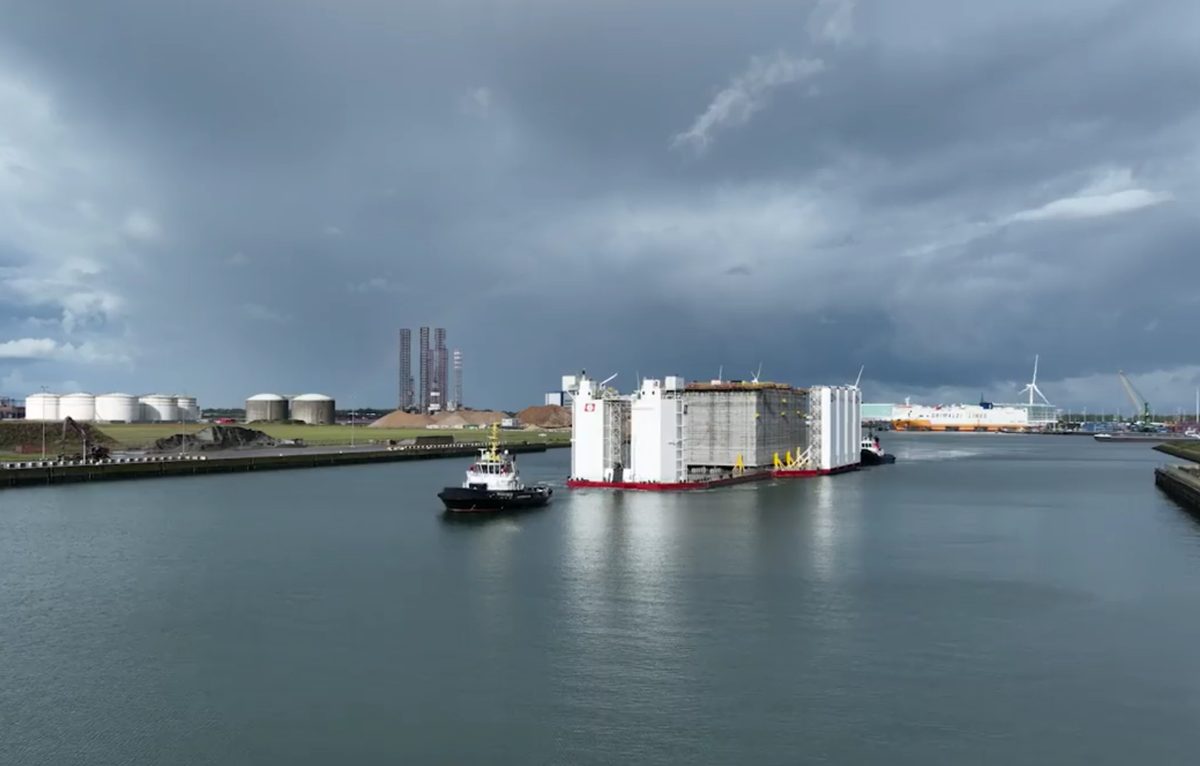
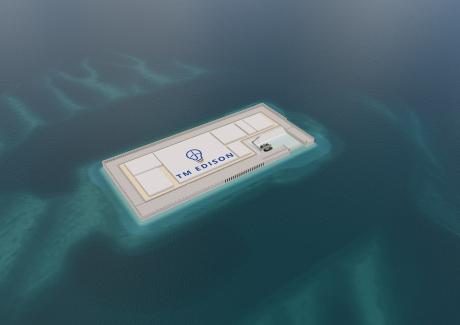
Workers have finished the outer shell of the world's first artificial energy island, 45 kilometers off Belgium's North Sea coast. The 23 concrete caissons, each weighing about 22,000 metric tons, form the perimeter of Princess Elisabeth Island.

When complete in 2031, the island will gather power from new offshore wind farms and send it to shore, more than doubling Belgium's 2.3 gigawatts of installed offshore wind capacity. It may also connect Belgium's grid to the UK and Denmark, letting countries trade power across the North Sea.

Why it matters

If energy islands work, offshore wind can move far from shore and countries can share power across borders.

Questions about this story

Free account needed to ask — your question is kept and asked for you right after sign-up. Answers are public.

No questions yet — be the first to ask.

Key Indicators

23
Concrete caissons forming the island's perimeter
Each caisson stands up to 105 feet tall and was built onshore in the Netherlands.
$4.2B
Project cost
Total cost of the Princess Elisabeth Island project.
3.5 GW
Planned offshore wind capacity
More than double Belgium's current 2.3 GW of installed offshore wind.
22,000
Weight of each caisson
Each caisson is about 190 feet long and 92 feet wide.
6 ha
Island footprint
The artificial island covers about 15 acres.

Voices

Curated perspectives — historical figures and your fellow readers.

Ever wondered what historical figures would say about today's headlines?

Sign up to generate historical perspectives on this story.

People Involved

Organizations Involved

Timeline

January 2024 October 2026

4 events Latest: Today
Tap a bar to jump to that date
  1. Engineering News-Record reports the completed foundation ring

    Today Report

    ENR covers the milestone, detailing the caisson construction process and the island's role in expanding offshore wind.

  2. 23rd and final caisson installed, completing the foundation ring

    Construction

    The last caisson is placed, finishing the island's perimeter and securing a €99 million European subsidy for Elia.

  3. First caisson installed at the island site

    Construction

    The first caisson is towed 45 kilometers offshore and sunk into place on a leveled rock foundation.

  4. Caisson production begins in the Netherlands

    Construction

    A 300-person crew starts building concrete caissons at a facility in Vlissingen, Netherlands, producing up to five at a time.

Scenarios

1

Princess Elisabeth Island delivers first power by 2031

Likely Resolves by End of 2031

Discussed by: Elia Transmission Belgium and project contractors

Elia has confirmed a 2031 completion date, recently set in law. Under this scenario, the island's electrical infrastructure is installed on schedule and the first offshore wind power flows to the Belgian grid by the end of 2031. Cable installation runs through 2027-2028 and electrical work through 2029.

2

Belgium confirms a UK interconnector

Possible Resolves by End of 2027

Discussed by: Elia Transmission Belgium

Elia says it is in discussions to develop an interconnection to the UK. If those talks succeed, the island would link Belgium's grid to Britain's, adding cross-border trading to its role as a wind hub. The island is already designed to connect to Denmark.

3

Construction slips past 2031

Possible Resolves by End of 2031

Discussed by: Elia Transmission Belgium and the TM Edison consortium

The island's schedule is tight: cable installation runs through 2027-2028 and electrical work through 2029. Weather, supply delays, or technical problems could push completion past 2031. The Bornholm Energy Island in Denmark paused for seven months over financial concerns, a reminder of how schedules slip.

Historical Context

2 moments from history that rhyme with this story — and how they unfolded.

1995

Troll A platform (1995)

Norway installed Troll A, a concrete gravity platform in the North Sea standing about 369 meters tall. It was one of the largest concrete structures ever moved, towed into place in the Troll gas field.

Then

The platform began producing natural gas from the Troll field, one of Norway's largest.

Now

It proved that massive concrete structures could be built onshore, towed across open sea, and sunk into place — the same method Princess Elisabeth Island uses.

Why this matters now

Troll A showed the engineering path for building huge concrete structures in the North Sea and placing them on the seabed.

1991

Vindeby offshore wind farm (1991)

Denmark built the world's first offshore wind farm at Vindeby, 11 turbines about 2 kilometers from shore producing 5 megawatts.

Then

The farm proved offshore wind was technically feasible and ran for 25 years before being decommissioned in 2017.

Now

It launched an industry that now spans the North Sea, with turbines moving steadily further from shore.

Why this matters now

Vindeby started the move offshore; energy islands are the next step, letting wind farms sit so far out that a fixed platform is needed to gather their power.

Sources

(5)