

Pull to refresh
Logo
Guinea-Bissau halts hepatitis B vaccine trial that withheld birth doses

Guinea-Bissau halts hepatitis B vaccine trial that withheld birth doses

Rule Changes

A $1.6 million CDC-funded study planned to compare newborns vaccinated at birth with those vaccinated six weeks later

Overview

Updated 1 hour ago

Guinea-Bissau has stopped a hepatitis B vaccine trial that would have enrolled 14,000 babies, half of whom would not receive the shot at birth. The study's backers say they never got the government approval the project required. In October, judicial police raided the Bissau offices of the research group running it and seized vaccine batches.

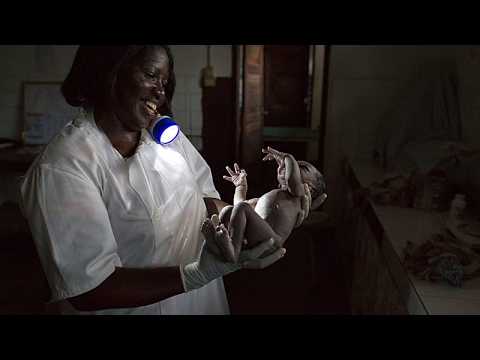
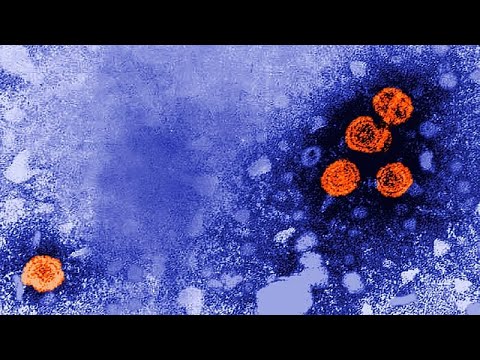
Hepatitis B has no cure and is usually passed from mother to newborn. A dose within 24 hours of birth prevents 70 to 95 percent of those transmissions. The trial asked whether delaying that dose by six weeks produced measurably different health outcomes. Critics, including the World Health Organization, said the question did not justify leaving thousands of newborns unprotected from liver damage and cancer.

Why it matters

A vaccine with decades of safety data was to be withheld from thousands of newborns for a study. Who gets to approve that is now a live question for every funder.

Questions about this story

Free account needed to ask — your question is kept and asked for you right after sign-up. Answers are public.

No questions yet — be the first to ask.

Key Indicators

14,000
Babies planned for enrollment
Half were to receive the vaccine at birth, half six weeks later, with health outcomes tracked for five years.
$1.6M
US CDC funding for the trial
The money came from the Centers for Disease Control and Prevention under Health Secretary Robert F. Kennedy Jr.
6 weeks
Delay for the comparison group
Guinea-Bissau currently authorizes the shot up to six weeks after birth because it cannot buy enough doses.
70–95%
Mother-to-child transmissions prevented by the birth dose
The World Health Organization cites this range across decades of use.
20%
Share of the population living with hepatitis B
About one in five of Guinea-Bissau's 2.2 million people, one of the highest rates in the world.

Voices

Curated perspectives — historical figures and your fellow readers.

Sign up to generate historical perspectives on this story.

People Involved

Organizations Involved

Timeline

December 2025 November 2026

6 events Latest: 3 days ago
Tap a bar to jump to that date
  1. Trial is dead, with the police inquiry still open

    Latest Status

    The study will not run in Guinea-Bissau; officials have not commented publicly and the judicial police say inquiries continue.

  2. Researcher concedes the trial cannot proceed

    Statement

    Bandim researcher Frederik Schaltz-Buchholzer says the study will not move forward without government approval, calling it a setback for African science.

  3. WHO says the design is inconsistent with ethical principles

    Statement

    The agency says the protocol lacks scientific necessity for a no-treatment arm and uses resource scarcity to justify withholding proven care.

  4. Guinea-Bissau suspends the trial pending review

    Government action

    The health ministry halts the study after international criticism and asks the Africa CDC and WHO to help assess it.

  5. Bandim announces a 14,000-baby hepatitis B trial

    Announcement

    The Danish-led project plans to compare babies vaccinated at birth with babies vaccinated six weeks later, backed by $1.6 million from the US CDC.

Scenarios

1

Guinea-Bissau vaccinates every newborn at birth by 2028

Likely Resolves by End of 2028

Discussed by: Guinea-Bissau's health ministry, as reported by Al Jazeera; the World Health Organization has offered support for the rollout.

The government has said it is working to start at-birth hepatitis B vaccination for all babies from 2028. That requires enough supply and a delivery system that reaches births outside hospitals. If it happens, the shortage that the researchers cited as their window closes.

2

Prosecutors file charges over the halted trial

Possible Resolves by Q2 2027

Discussed by: Guinea-Bissau judicial police, whose inquiry into safety compliance remains open.

Police seized vaccine batches and said they were checking whether the study met national safety standards. The inquiry could end with charges against the Bandim Health Project or individual researchers, or with a finding that no rules were broken.

3

A revised trial wins approval in another country

Unlikely Resolves by End of 2027

Discussed by: The University of Southern Denmark, whose ethics committee already voted for the project to continue.

The researchers could redesign the study or move it to a jurisdiction willing to approve it. The Danish committee that reviewed the protocol voted to let it continue after reportedly being told Guinea-Bissau had approved an updated proposal. Any new version that withholds a birth dose would face the same objection from the World Health Organization.

Historical Context

3 moments from history that rhyme with this story — and how they unfolded.

1932–1972

Tuskegee syphilis study (1932–1972)

The US Public Health Service tracked hundreds of Black men with syphilis in Alabama for four decades without treating them, even after penicillin became standard care. More than 100 men died. A journalist's investigation ended the study in 1972.

Then

Congress held hearings and the study was shut down; survivors and families later received a settlement.

Now

The 1979 Belmont Report set the rules that still govern US human-subjects research, including the requirement that trials not withhold proven treatment.

Why this matters now

Critics of the Guinea-Bissau trial raised Tuskegee directly. It is the standard reference for what happens when researchers treat a known-effective treatment as an experimental variable.

1996

Pfizer's Trovan trial in Kano, Nigeria (1996)

During a meningitis outbreak, Pfizer tested its experimental antibiotic Trovan on children in Kano, with some receiving a comparison drug at a lower-than-standard dose. Children died and others were left with disabilities. Families and the Nigerian government sued.

Then

The trial drew years of litigation and a state lawsuit; the cases were settled in 2009.

Now

It became a touchstone for arguments that foreign-funded research in low-income countries can exploit weak regulatory oversight.

Why this matters now

Robalo's charge that the Bandim researchers took advantage of Guinea-Bissau's thin research capacity echoes the Trovan case. Both involve outside funders, local scarcity, and questions about who protected the patients.

2015

Ebola ring vaccination trial in Guinea (2015)

With no licensed Ebola vaccine, researchers tested rVSV-ZEBOV by vaccinating contacts of confirmed cases immediately or after a delay. The design was accepted because no proven vaccine existed and the epidemic was moving faster than standard trials could follow.

Then

The trial showed high protection and became the basis for later Ebola vaccine licensing.

Now

It set a benchmark for what justifies a delayed-dose design: a genuine emergency with no proven alternative.

Why this matters now

It shows the line the WHO drew in Guinea-Bissau. Delaying a dose can be ethical when nothing proven exists. Hepatitis B has had a recommended birth dose for decades, so the same design met a different standard.

Sources

(6)