

Pull to refresh
Logo
Bioko Island cuts malaria to record low as elimination drive expands to mainland

Bioko Island cuts malaria to record low as elimination drive expands to mainland

New Capabilities

Prevalence fell from 42% in 2004 to 7.2% in 2025; a five-year, $74.4M renewal now targets mainland Equatorial Guinea.

3 days ago: Decline spotlighted in reporting

Overview

Updated 1 hour ago

Nearly half of Bioko Island's residents carried malaria in 2004. This year's survey puts the figure at 7.2% — the lowest recorded since the campaign began, with children under five at 3.1%.

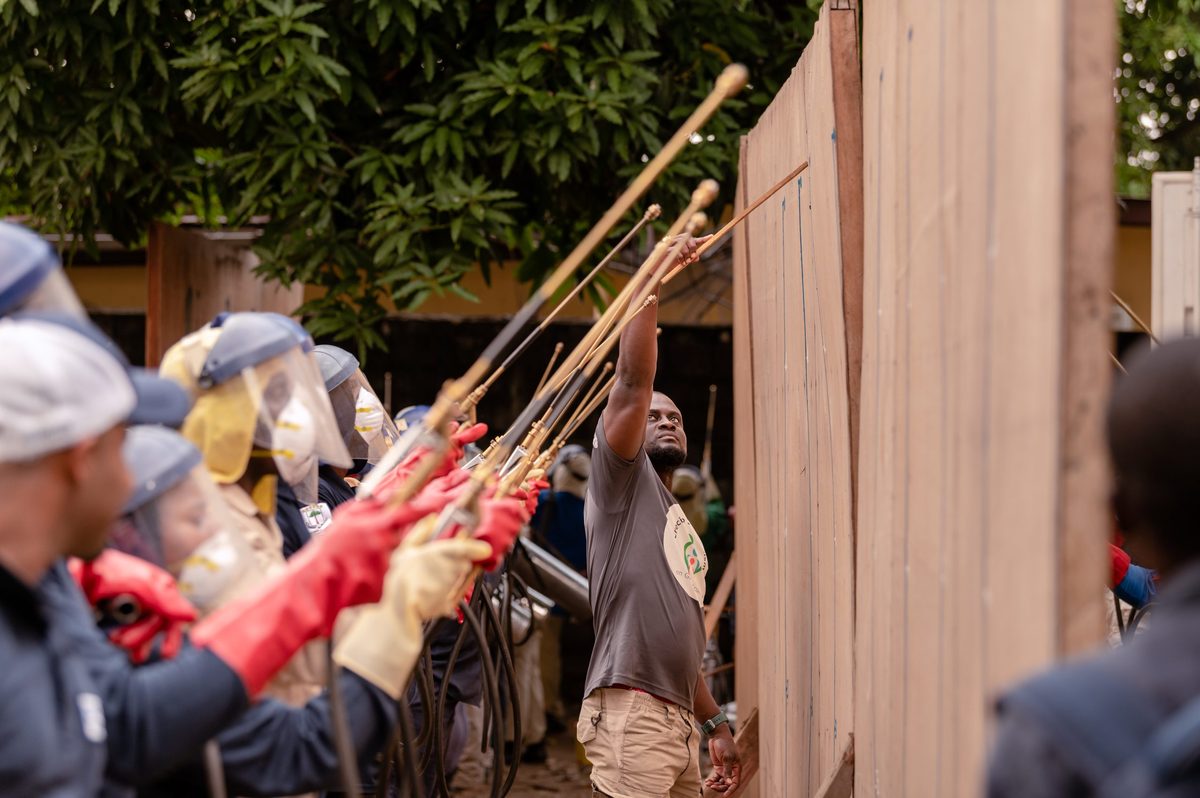
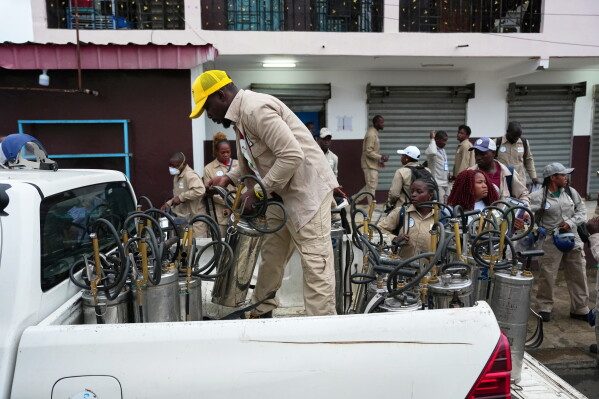
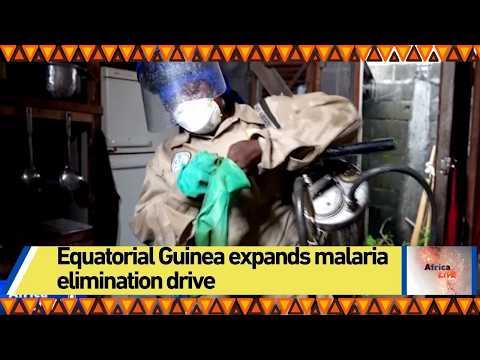
The tools were ordinary: indoor insecticide spraying, bed nets, larval control. The hard part was 22 years of uninterrupted funding and door-to-door surveillance, a lesson reinforced in 2024 when a funding lapse pushed confirmed cases up 41%.

A five-year, $74.4 million renewal now expands the program to mainland Equatorial Guinea and Annobón Island, aiming for nationwide elimination by 2030.

Why it matters

Nationwide elimination would make Equatorial Guinea the first West-Central African nation to end malaria, proving sustained vector control can work at scale in the region.

Questions about this story

Free account needed to ask — your question is kept and asked for you right after sign-up. Answers are public.

No questions yet — be the first to ask.

Key Indicators

7.2%
Malaria prevalence on Bioko Island (2025)
Down from a 42% baseline in 2004 — the lowest ever recorded on the island.
3.1%
Prevalence among children under five (2025)
Sharply improved from any year since interventions scaled up in 2004.
41%
Case increase during 2024 funding lapse
Confirmed cases rose above the 2021–2023 average after vector control halted.
$74.4M
Five-year renewal funding
Signed with the Equatorial Guinea government and oil-company partners in 2026.

Voices

Curated perspectives — historical figures and your fellow readers.

Ever wondered what historical figures would say about today's headlines?

Sign up to generate historical perspectives on this story.

People Involved

Organizations Involved

Timeline

2004 October 2026

8 events Latest: 3 days ago
Tap a bar to jump to that date
  1. Decline spotlighted in reporting

    Latest Publication

    Human Progress publishes an account of Bioko's sharp reduction, drawing on project data.

  2. Five-year renewal expands program nationwide

    Funding

    Partners sign a $74.4 million renewal; program extends to mainland Equatorial Guinea and Annobón Island.

  3. Record-low prevalence recorded

    Measurement

    Malaria indicator survey finds 7.2% prevalence across all ages, the lowest on record.

  4. Child prevalence falls to 3.1%

    Measurement

    Under-five prevalence measured at 3.1%; pregnant women at 6.4%, well below regional averages.

  5. Spraying resumes on Bioko

    Intervention

    Indoor residual spraying resumes after new funding; cases fall within months.

  6. Funding lapse halts vector control

    Funding Interruption

    Indoor residual spraying stops during a funding gap; confirmed cases rise 41% above the prior three-year average.

  7. Project shifts to elimination focus

    Program Change

    The program becomes the Bioko Island Malaria Elimination Project, aiming to interrupt transmission entirely.

  8. Malaria control launches on Bioko

    Intervention

    Bioko Island Malaria Control Project begins; baseline prevalence measures 42%.

Scenarios

1

Equatorial Guinea reaches nationwide malaria elimination by 2030

Possible Resolves by End of 2030

Discussed by: AP News, MCD Global Health

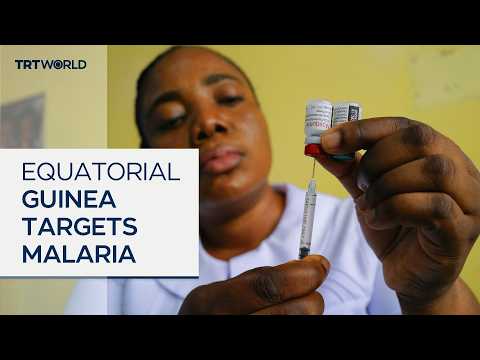
The mainland and Annobón expansions match Bioko's trajectory, pushing national prevalence toward the elimination threshold. New tools — gene drive, vaccines, transgenics — accelerate suppression. The vice president's 2030 vision provides the political anchor, and the 2024 island rebound serves as a warning to keep funding continuous.

2

Mainland expansion stalls on funding or logistics

Possible Resolves by End of 2028

Discussed by: AP News (notes porous borders and mainland scale)

The mainland is far larger than Bioko, with porous borders with Cameroon and Gabon that allow imported infections. A funding gap like the 2024 island lapse — or weaker surveillance coverage — could slow the campaign and keep prevalence high on the continent even as the island stays clear.

3

Bioko's low prevalence slips despite the 2024 warning

Unlikely Resolves by End of 2027

Discussed by: Authors of the 2026 resurgence study (Malaria Journal)

The 2024 lapse showed malaria rebounds within a year when vector control stops. If island coverage erodes — through delayed spraying rounds, insecticide resistance, or donor fatigue — prevalence could climb back above 10%, erasing a decade of gains.

Historical Context

2 moments from history that rhyme with this story — and how they unfolded.

1969–1976

Garki Project, Nigeria (1969–1976)

A WHO-sponsored trial in a savanna district of northern Nigeria tested indoor spraying and mass drug administration against malaria. Transmission dropped sharply during the trial, then rebounded once interventions stopped.

Then

The project concluded that vector control was hard to sustain and that malaria returned quickly after the trial ended.

Now

It shaped global expectations about how difficult malaria elimination is in tropical Africa, tempering eradication ambitions for decades.

Why this matters now

The 2024 Bioko funding lapse produced the same pattern — cases rose 41% before spraying resumed — confirming that even a proven model depends on uninterrupted funding.

September 2016

Sri Lanka certified malaria-free (2016)

After decades of stepped-up vector control and surveillance, Sri Lanka recorded its last locally transmitted malaria case in October 2012. It maintained zero local transmission for three years, and the World Health Organization certified the country malaria-free in September 2016.

Then

Sri Lanka became the second country in the WHO's South-East Asia region to achieve certification, after the Maldives.

Now

It demonstrated that sustained surveillance and vector control can eliminate malaria without a new technology, a standard the Bioko model is reaching toward.

Why this matters now

Sri Lanka shows the endpoint Equatorial Guinea's 2030 vision aims for — certification after years of suppressed transmission, not just reduced case counts.

Sources

(8)