
Pull to refresh
Logo
Federal judge rules warrantless Flock searches are 'mass surveillance'

Federal judge rules warrantless Flock searches are 'mass surveillance'

Rule Changes

Sanders introduces bill to ban federal use of automatic license plate readers

4 days ago: Ban Flock Act introduced

Overview

Updated Yesterday

A federal judge in Oklahoma ruled that a police search of Flock's license plate reader database was 'indiscriminate mass surveillance' and violated the Fourth Amendment. The ruling suppressed evidence of 91 pounds of meth because the officer searched the database without a warrant.

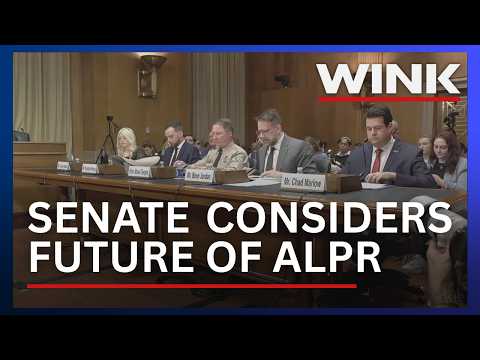
Days later, Senator Bernie Sanders introduced the Ban Flock Act, which would bar federal agencies from using automatic license plate readers. The ruling does not set binding precedent, but it is one of the first times a federal judge has found Flock searches unconstitutional.

Why it matters

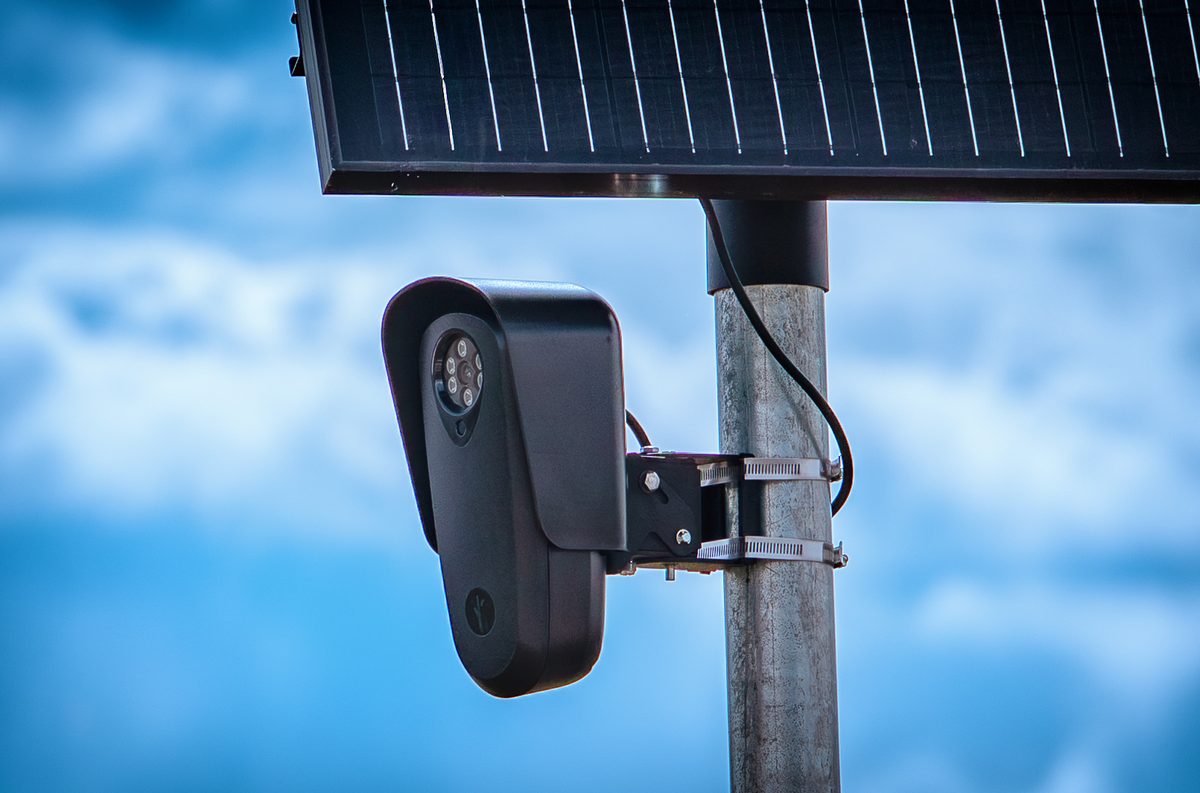
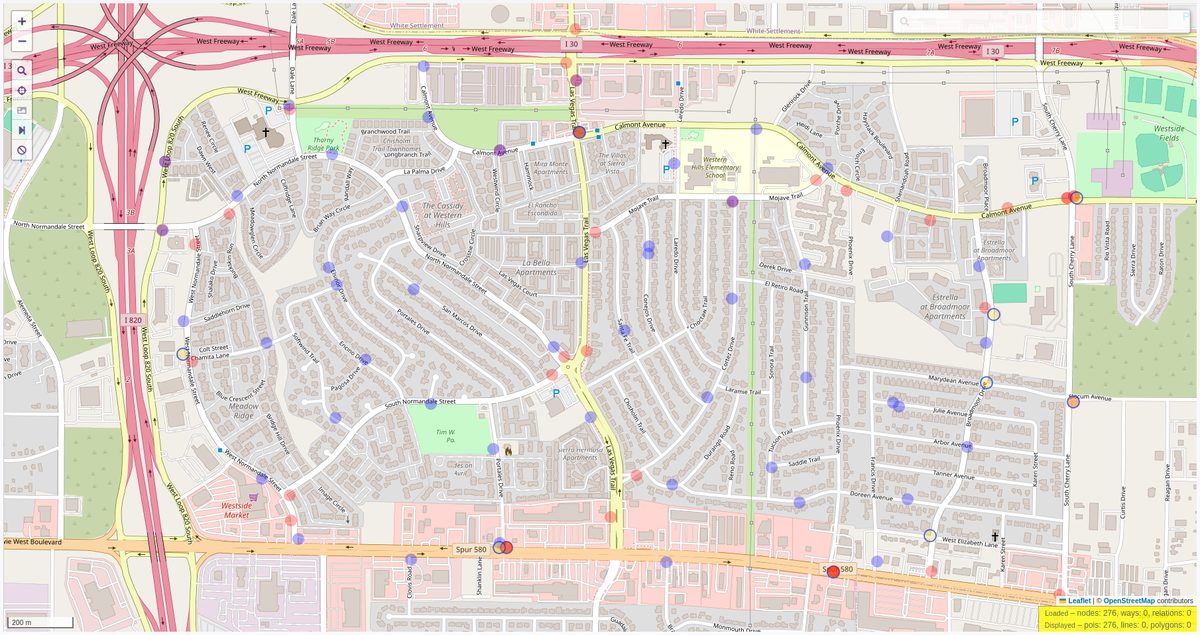
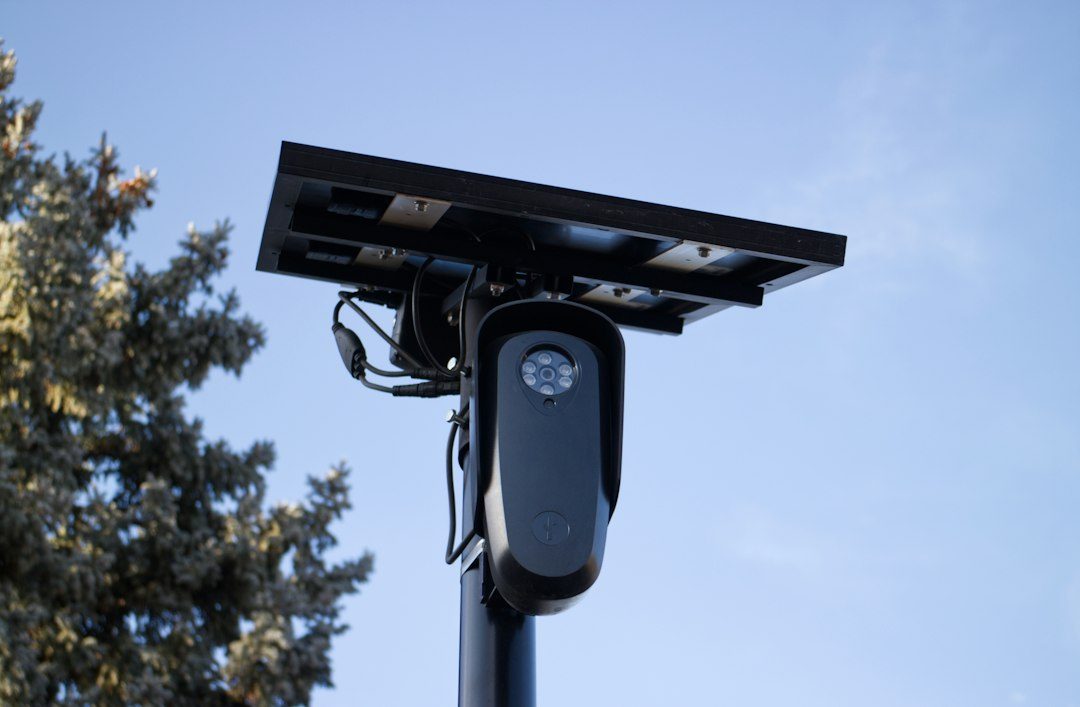
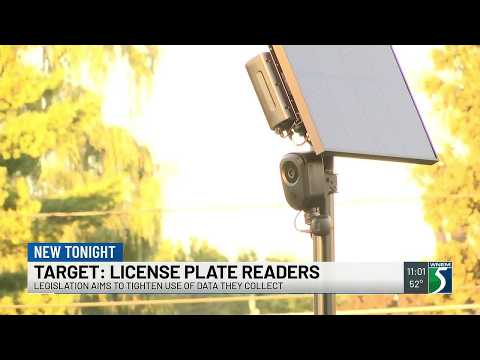
If courts and Congress restrict warrantless license plate searches, police lose a tool that logs every vehicle's location across 120,000 cameras.

Questions about this story

Free account needed to ask — your question is kept and asked for you right after sign-up. Answers are public.

No questions yet — be the first to ask.

Key Indicators

120,000
Cameras in Flock's network
Flock is the largest automatic license plate reader vendor in the U.S.
20 billion
Vehicle reads per month
Flock said its network processes more than 20 billion vehicle reads each month.
7 days
Default data retention period
Flock cut its default retention from 30 days to 7 days in August 2026.
91 lbs
Meth suppressed as evidence
The judge ordered the evidence suppressed as 'fruit of the poisonous tree.'

Voices

Curated perspectives — historical figures and your fellow readers.

Ever wondered what historical figures would say about today's headlines?

Sign up to generate historical perspectives on this story.

People Involved

Organizations Involved

Timeline

February 2026 October 2026

4 events Latest: 4 days ago
Tap a bar to jump to that date
  1. Ban Flock Act introduced

    Latest Legislation

    Sanders and allies introduced a bill to bar federal agencies from using license plate readers.

  2. Flock cuts data retention

    Policy Change

    CEO Garrett Langley announced a 7-day default retention period, down from 30 days.

  3. Flock reports 20 billion monthly reads

    Company Disclosure

    The company said its network processes more than 20 billion vehicle reads each month.

Scenarios

1

Appeals court overturns Flock ruling

Possible Resolves by Oct 1, 2027

Discussed by: Flock Safety spokesperson

Flock expects the ruling to be appealed and overturned, arguing it goes against the weight of authority in similar cases. The ruling does not set binding precedent, so an appeals court could reverse it.

2

Ban Flock Act passes Congress

Unlikely Resolves by Jan 3, 2027

Discussed by: TechCrunch

The bill faces long odds, like most legislation. It would bar federal agencies from using ALPRs, cut federal grants to non-compliant state and local agencies, and allow Americans to sue the federal government over violations.

3

More courts adopt the reasoning

Possible Resolves by Oct 1, 2027

Discussed by: 404 Media

Several other cases across the country are considering the legality of warrantless ALPR searches. If other federal judges adopt Hill's reasoning, Flock and similar systems face new legal limits.

Historical Context

3 moments from history that rhyme with this story — and how they unfolded.

June 2018

Carpenter v. United States (2018)

The Supreme Court ruled that the government's warrantless acquisition of cell-site location records from a wireless carrier violated the Fourth Amendment. The court found that people have a reasonable expectation of privacy in the whole of their physical movements.

Then

The government now needs a warrant for most cell-site location data.

Now

Established that prolonged location tracking, even in public, can be a search.

Why this matters now

Judge Hill explicitly cited Carpenter's reasoning about location privacy in her Flock ruling.

January 2012

United States v. Jones (2012)

The Supreme Court ruled that attaching a GPS tracker to a car and monitoring its movements for weeks was a search requiring a warrant. The court found the physical attachment was a trespass, but several justices also noted privacy concerns with prolonged tracking.

Then

Police need a warrant for GPS tracking of vehicles.

Now

Set the stage for later rulings on digital location tracking.

Why this matters now

The Flock ruling extends the logic of Jones from a single tracked car to a network that logs every vehicle.

December 1967

Katz v. United States (1967)

The Supreme Court ruled that wiretapping a public phone booth without a warrant violated the Fourth Amendment. Justice John Marshall Harlan's concurrence established the 'reasonable expectation of privacy' test.

Then

The government needs a warrant for electronic eavesdropping.

Now

The reasonable expectation of privacy test became the standard for Fourth Amendment analysis.

Why this matters now

Judge Hill applied the Katz test to ALPR data, finding that people have a reasonable expectation of privacy in the whole of their movements.

Sources

(9)