
Pull to refresh
Logo
Deceased-donor bone marrow treats aplastic anemia in a reported world-first

Deceased-donor bone marrow treats aplastic anemia in a reported world-first

New Capabilities

Franciscan Health and Ossium Health report full donor chimerism and no graft-versus-host disease six months after an April transplant

Overview

Updated 3 hours ago

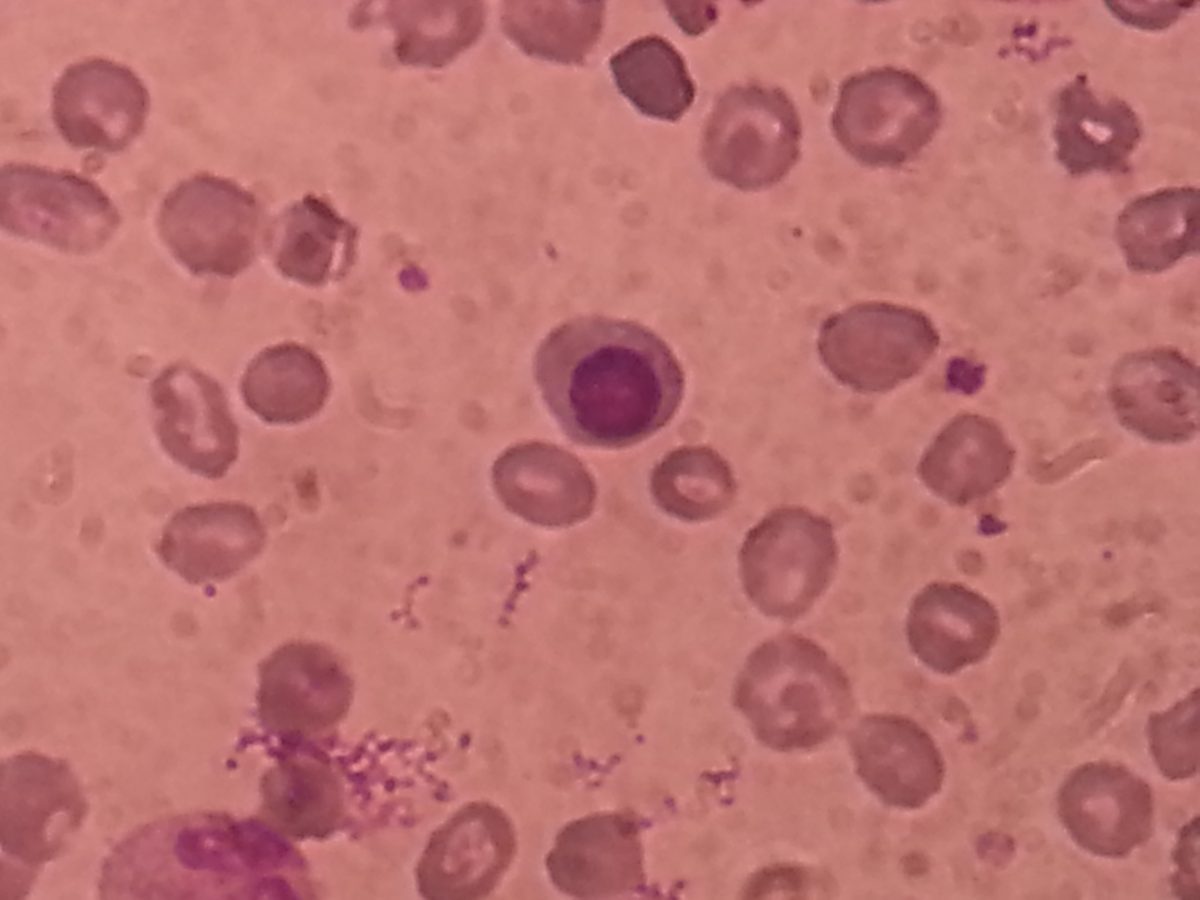
A 40-year-old woman with severe aplastic anemia had no working marrow of her own. In April, doctors at Franciscan Health in Indianapolis replaced it with bone marrow stem cells recovered from a deceased organ donor. Six months later her blood counts are restored, she needs no transfusions, and her blood and immune system come entirely from the donor.

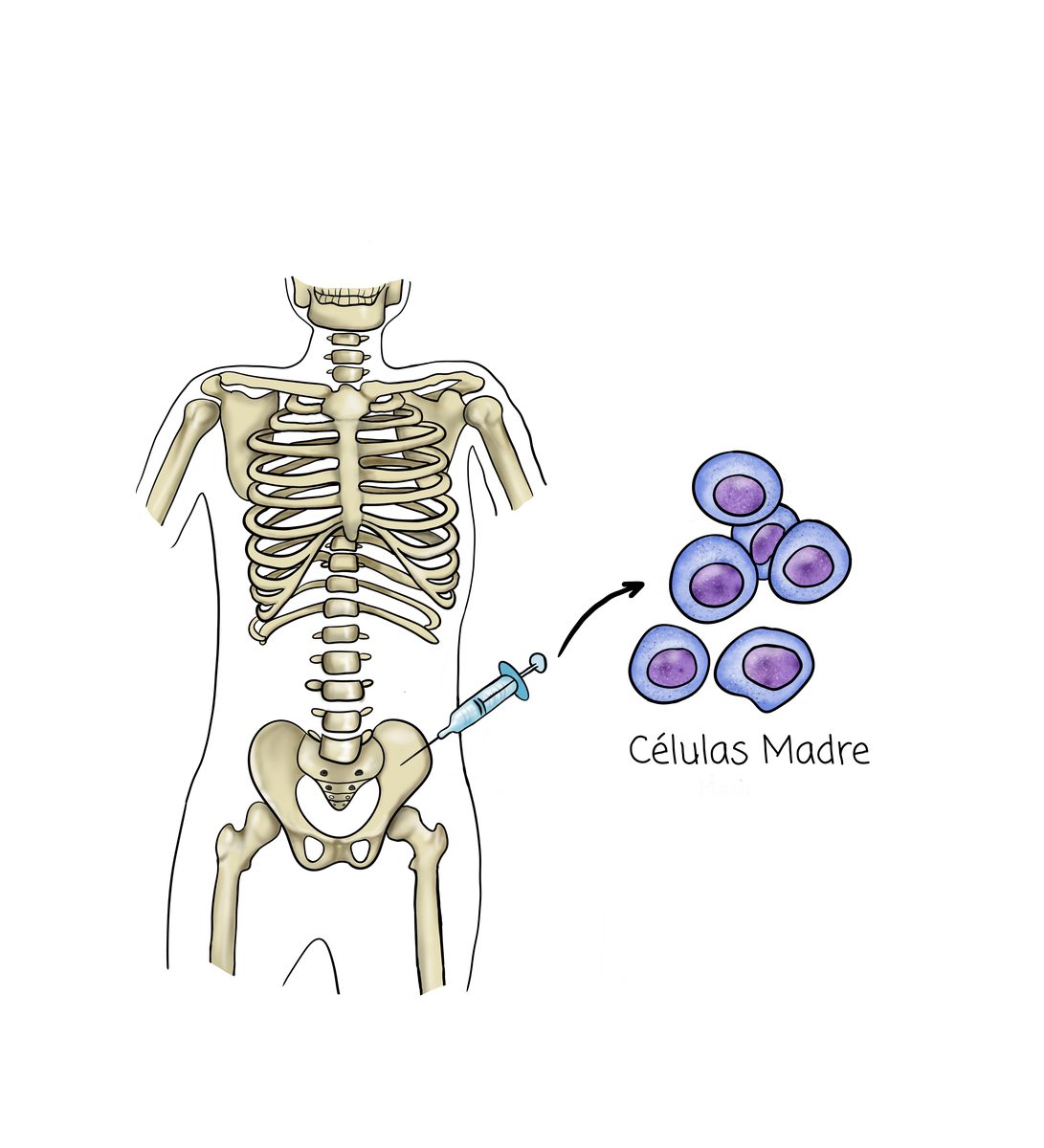
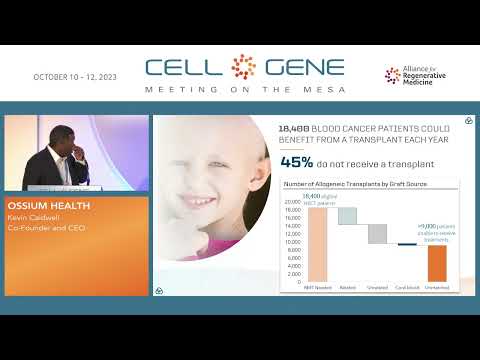
Franciscan and the marrow supplier, Ossium Health, call it the first reported transplant of deceased-donor bone marrow for a non-malignant disease. Bone marrow is the preferred graft for aplastic anemia, sickle cell disease and thalassemia because it carries fewer of the immune cells that cause graft-versus-host disease. It is also scarce: collecting it from a living donor requires anesthesia and an operating room.

Why it matters

Bone marrow is the graft least likely to cause chronic graft-versus-host disease, but living donation means surgery. Deceased donors could widen the supply.

Questions about this story

Free account needed to ask — your question is kept and asked for you right after sign-up. Answers are public.

No questions yet — be the first to ask.

Key Indicators

6.84 million
CD34+ cells per kilogram
The stem cell dose the patient received, drawn from a single deceased organ donor.
6 months
Follow-up to durable engraftment
Time from the April 18 transplant to the reported hematologic recovery.
100%
Donor chimerism
Share of the patient's blood and immune system now produced by donor stem cells.
0
Reported GVHD cases
No graft-versus-host disease reported in the patient to date.
1
Reported non-malignant deceased-donor transplants
The hospital and company describe this as the first such case; the claim is theirs.

Voices

Curated perspectives — historical figures and your fellow readers.

Sign up to generate historical perspectives on this story.

People Involved

Organizations Involved

Timeline

2015 November 2026

5 events Latest: Today
Tap a bar to jump to that date
  1. World-first non-malignant deceased-donor transplant reported

    Today Coverage

    Good News Network reports the case, bringing the November 10 announcement to a wider audience.

  2. Franciscan and Ossium report six-month results

    Announcement

    The teams report durable engraftment, full donor chimerism, independence from transfusions and no graft-versus-host disease.

  3. Deceased-donor marrow transplanted into aplastic anemia patient

    Medical

    After reduced-intensity conditioning, the patient receives 6.84 million CD34+ cells per kilogram from a deceased organ donor.

  4. First blood cancer patient treated with Ossium marrow

    Medical

    A 68-year-old Detroit woman with leukemia receives bone marrow from a deceased donor through Ossium's HOPE program.

  5. Patient diagnosed with aplastic anemia

    Medical

    The 40-year-old woman is diagnosed with aplastic anemia, a disorder in which the marrow stops producing enough blood cells.

Scenarios

1

Ossium reports a second non-malignant deceased-donor transplant

Likely Resolves by Q2 2027

Discussed by: Ossium Health, which said it plans to support more malignant and non-malignant transplants

The company said it intends to support additional transplants for both cancer and non-cancer diseases. A second case, particularly in sickle cell disease or beta thalassemia, would show the aplastic anemia result is repeatable rather than a single success. The trigger is a published announcement naming a patient and a non-malignant diagnosis.

2

A registered clinical trial opens for deceased-donor marrow in non-malignant disease

Possible Resolves by End of 2027

Discussed by: Henry Ford Health, which has said it is collaborating with Ossium and NMDP on a Phase I/II trial

Compassionate-use programs like HOPE do not generate the systematic safety data regulators and payers want. A registered trial in a non-malignant indication would move the approach from case reports toward a standard therapy. The trigger is a trial listing on a public registry naming deceased-donor bone marrow as the graft source.

3

The case stays a one-off as living-donor collection remains the default

Unlikely Resolves by End of 2027

Discussed by: Transplant physicians who note bone marrow's scarcity stems from donor and collection-center preference for less invasive PBSC collection

Bone marrow is preferred for non-malignant disease, but most registry donors give peripheral blood stem cells instead because that collection avoids surgery. If deceased-donor marrow supply does not scale, or if transplant centers do not adopt it, this case remains a proof of concept rather than a new option. The trigger is the absence of further reported non-malignant cases.

Historical Context

2 moments from history that rhyme with this story — and how they unfolded.

1970s

Bone marrow transplants for severe aplastic anemia (1970s)

Transplant teams began replacing failing marrow in severe aplastic anemia patients with bone marrow from matched living relatives and, later, unrelated donors. The procedure turned a usually fatal diagnosis into one with a curative option.

Then

Bone marrow became the standard graft for non-malignant marrow failure, chosen partly because it carries fewer immune cells than peripheral blood stem cells.

Now

The procedure's limitation shifted from technique to supply: a matching living donor still had to be found and undergo a surgical collection.

Why this matters now

The technique in this case is decades old. What is new is where the marrow came from, which addresses the supply constraint rather than the procedure itself.

June 2024

Henry Ford deceased-donor transplant for leukemia (2024)

A 68-year-old woman from Flint, Michigan with leukemia received bone marrow from a deceased donor through Ossium's HOPE program after chemotherapy failed to cure her. She had no living match available in time.

Then

The case showed that marrow recovered from an organ donor could engraft in a patient with blood cancer.

Now

It opened the path to using the same source for non-malignant diseases, where bone marrow's lower graft-versus-host disease risk matters more.

Why this matters now

This is the direct precedent. The aplastic anemia case applies the same donor source to a disease where the graft choice is driven by immune risk rather than by attacking cancer.

Sources

(5)