

First human heart transplant and the shift to brain death donors (1967-1968)
Christiaan Barnard transplanted the first human heart in Cape Town using a heart from a donor whose heart had stopped—a circulatory death donor, in modern terminology. But the patient, Louis Washkansky, died 18 days later. As brain death criteria were formalized in 1968 by a Harvard committee, the field shifted almost entirely to brain-dead donors, whose hearts could be kept beating on ventilators until recovery.
Brain-dead donors became the standard, offering hearts that never stopped beating and could be preserved on ice for about four hours.
For over 50 years, only brain-dead donors were considered for heart donation, excluding a large pool of potential donors who died by cardiac arrest.
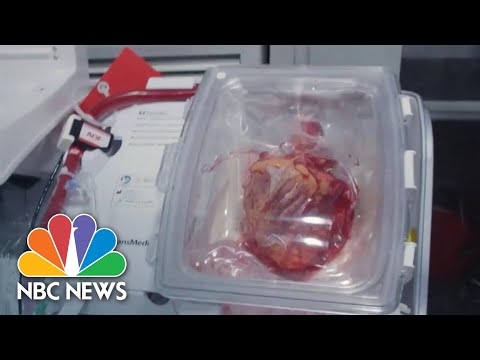
The REUP technique returns to the original concept—recovering hearts that have stopped beating—but with modern preservation science that Barnard lacked, potentially reopening a donor category that was abandoned for half a century.