

Pull to refresh
Logo
Global Fund brings back Mark Dybul to lead it through a funding squeeze

Global Fund brings back Mark Dybul to lead it through a funding squeeze

Money Moves

The board named its former executive director to a four-year term starting in 2027, with donor pledges $5.32 billion short of target

Overview

Updated 1 hour ago

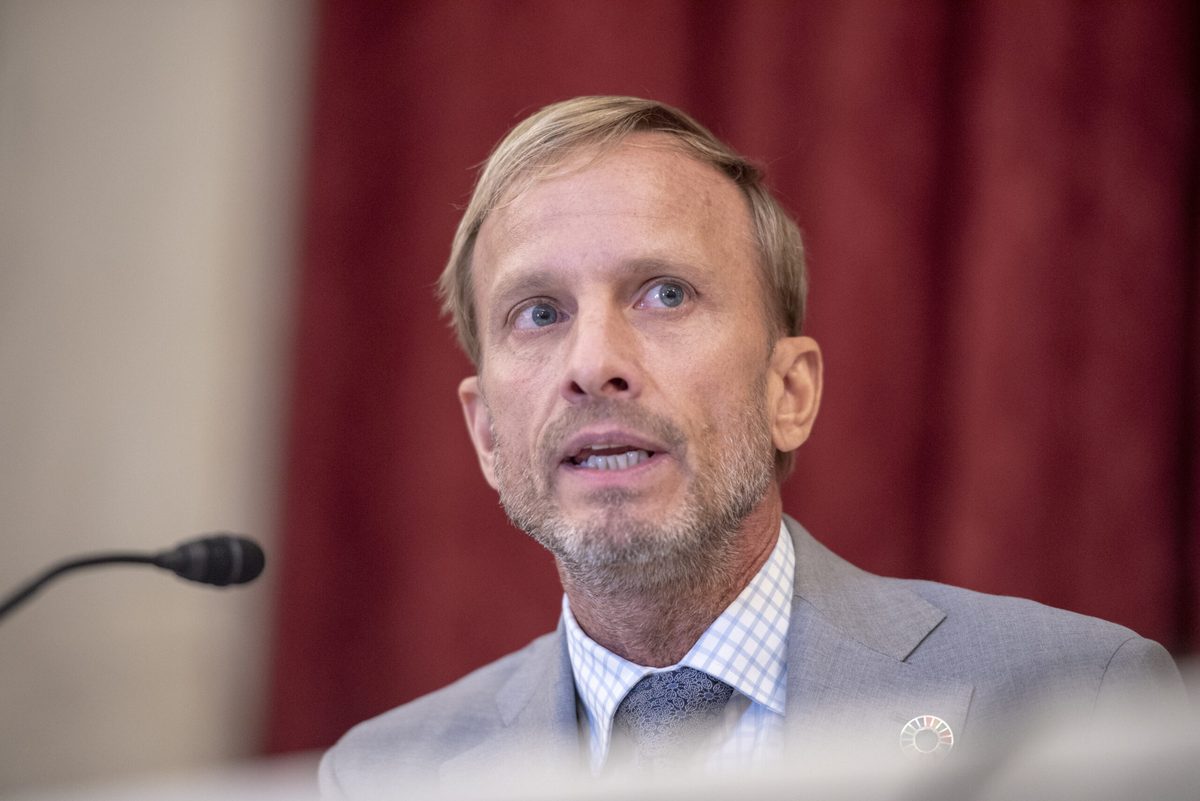
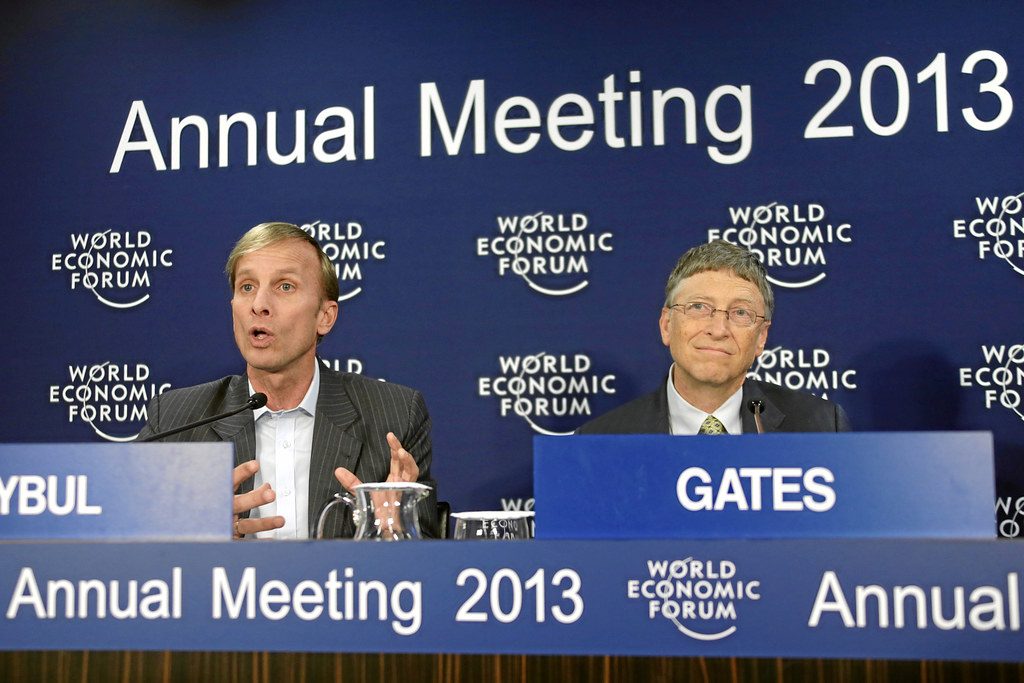
The Global Fund to Fight AIDS, Tuberculosis and Malaria named Mark Dybul as its next executive director on 28 October 2026, returning him to a job he held from 2013 to 2017. He starts a four-year term in early 2027, replacing Peter Sands, who has led the organization since 2018.

Dybul inherits a partnership with $12.68 billion for 2026 to 2028 against an $18 billion target, a $5.32 billion gap. The U.S. contribution fell 23% to $4.6 billion, and the board has approved $10.78 billion in spending to fit the shortfall.

Why it matters

A $5.32 billion shortfall decides how many people receive HIV, tuberculosis and malaria treatment through the fund.

Questions about this story

Free account needed to ask — your question is kept and asked for you right after sign-up. Answers are public.

No questions yet — be the first to ask.

Key Indicators

$12.68B
Eighth Replenishment total
Amount pledged for the 2026–2028 cycle against an $18 billion target.
$5.32B
Replenishment funding gap
Shortfall between the $18 billion target and the $12.68 billion secured.
23%
Drop in U.S. contribution
The latest U.S. three-year pledge was $4.6 billion, down from the previous cycle.
$10.78B
Board-approved spending
Amount the board approved to manage the deficit.
72 million
Lives saved, estimated
The fund's estimate of lives saved since its 2002 launch.

Voices

Curated perspectives — historical figures and your fellow readers.

Sign up to generate historical perspectives on this story.

People Involved

Organizations Involved

Timeline

2002 November 2026

10 events Latest: Yesterday
Tap a bar to jump to that date
  1. Lancet publishes World Report on appointment

    Latest Media

    John Zarocostas reports that health leaders welcomed the appointment.

  2. Dybul calls funding cuts an opportunity

    Interview

    He tells Science he sees room for countries to take over more of their programs.

  3. Board appoints Dybul executive director

    Appointment

    The 56th Board Meeting names him to a four-year term beginning early 2027.

  4. Eighth Replenishment falls short

    Financing

    The fund secures $12.68 billion against an $18 billion target.

  5. USAID shuttered; PEPFAR dismantled

    Policy

    The Trump administration ends two major channels of U.S. global health aid.

  6. Peter Sands takes over the fund

    Appointment

    The former banking executive begins his tenure as executive director.

  7. Dybul begins first term as Global Fund head

    Appointment

    He serves as executive director until 2017.

  8. Dybul becomes U.S. Global AIDS Coordinator

    Appointment

    He leads PEPFAR through 2009.

  9. PEPFAR launched with Dybul's involvement

    Institution

    The U.S. global AIDS program becomes a long-time Global Fund partner.

  10. Global Fund launched

    Institution

    Wealthy countries create a pooled fund to fight HIV, tuberculosis and malaria.

Scenarios

1

Five countries set dates to leave Global Fund support

Possible Resolves by End of 2028

Discussed by: Mark Dybul, in his 30 October 2026 interview with Science

Dybul argues that five or six of the 12 to 15 countries receiving most Global Fund money can build systems to stop needing external financing within five to seven years. If the board and secretariat formalize transition plans, those countries would progressively fund their own HIV, tuberculosis and malaria programs. The shift depends on domestic budgets holding up as donor money falls.

2

Funding gap forces cuts to grants in the 2026–2028 cycle

Likely Resolves by Q2 2027

Discussed by: Health Policy Watch, citing Global Fund Secretariat figures

With $12.68 billion secured against an $18 billion target, the board approved $10.78 billion in spending. If donors do not close the gap, the fund would have to shrink the number of people reached or the range of services it pays for. Treatment interruptions would show up first in countries with the weakest domestic health budgets.

3

GiveWell partnership adds $1 billion or more to malaria work

Possible Resolves by End of 2029

Discussed by: Science, reporting the board's approval of the GiveWell initiative

The board approved a partnership with GiveWell, which hopes to invest up to $2.5 billion in malaria between 2027 and 2032, some of which may go through the Global Fund. A large commitment would partially replace falling government pledges and let the fund keep buying bed nets and treatments. The size and timing of the money remain open.

Historical Context

3 moments from history that rhyme with this story — and how they unfolded.

2002

Global Fund founded (2002)

Wealthy countries set up a single pooled fund rather than running separate bilateral AIDS, tuberculosis and malaria programs. The idea was to let countries write one national plan and receive one stream of money. It has since given out $75 billion in grants.

Then

The fund became the main channel for disease grants in low-income countries.

Now

It estimates it has saved 72 million lives, and it remains the largest multilateral financier of the three diseases.

Why this matters now

The pooled model is what Dybul now says should give way to country-run systems, with the fund supporting transitions rather than permanent grants.

2003

PEPFAR launched (2003)

The U.S. created the President's Emergency Plan for AIDS Relief, eventually the largest commitment by any country to a single disease. Dybul helped design it and ran it from 2006 to 2009. It became a long-time partner of the Global Fund.

Then

PEPFAR put millions of people on HIV treatment.

Now

Its 2025 dismantlement removed a major funder and reshaped the global health financing system the Global Fund operates in.

Why this matters now

Dybul's return comes after the program he built was shut down, leaving the fund to absorb more of the burden with less money.

2025

USAID shuttered (2025)

The Trump administration closed the U.S. Agency for International Development in early 2025 and then effectively dismantled PEPFAR. Its America First Global Health Strategy requires recipient countries to spend more of their own money and plan to move off U.S. funding.

Then

Health programs in low-income countries lost staff, supplies and clinics.

Now

Other donors cut or restructured their aid, and the Global Fund's 2026–2028 replenishment came in nearly 18% below the previous cycle.

Why this matters now

This is the environment Dybul inherits, and the reason his argument about country self-reliance carries weight with donors.

Sources

(6)