
Pull to refresh
Logo
Tibet's Guliya ice cap dated to 128,000 years

Tibet's Guliya ice cap dated to 128,000 years

New Capabilities

Two ice cores drilled 23 years apart settle a decade-long fight over how old the plateau's ice really is

Overview

Updated 1 hour ago

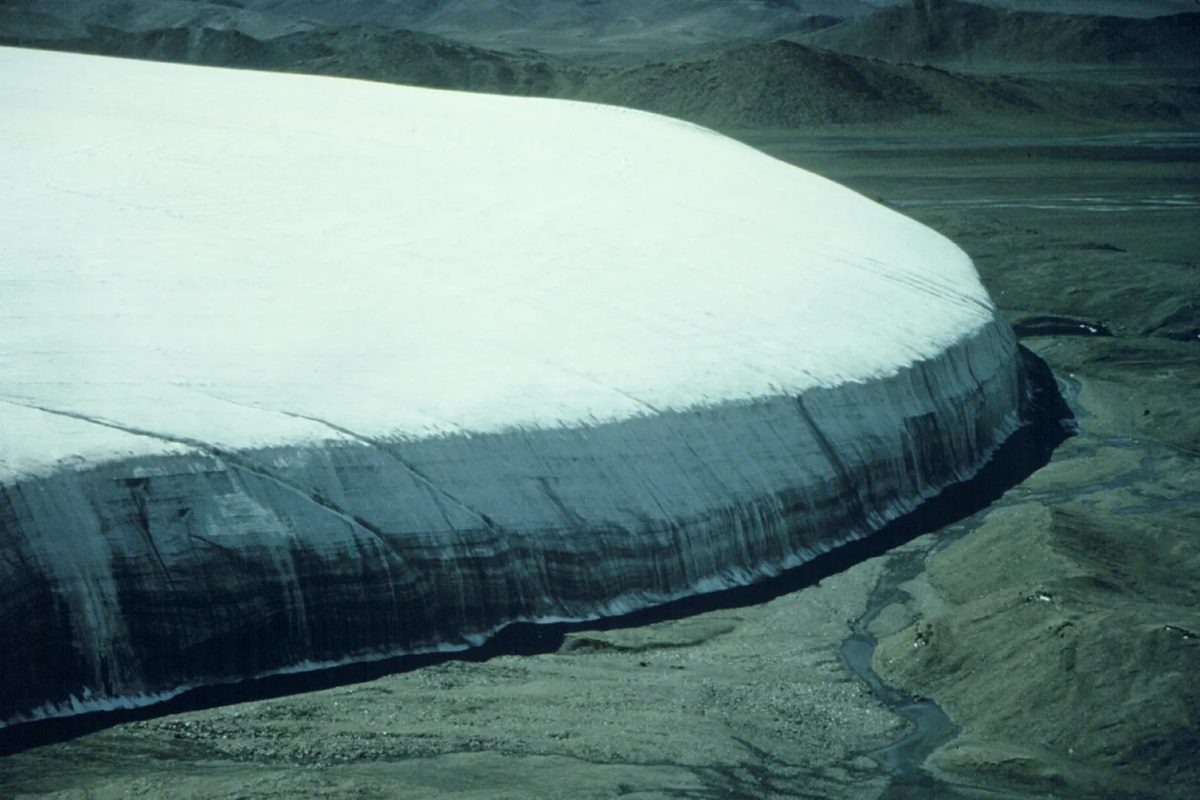
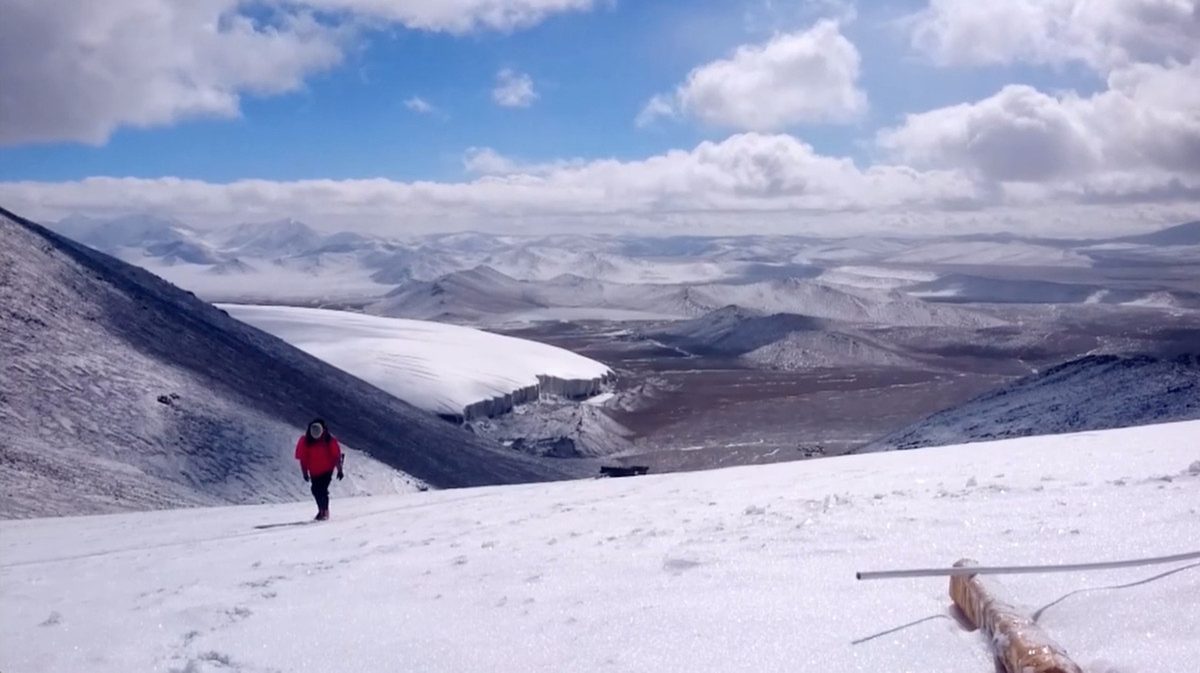
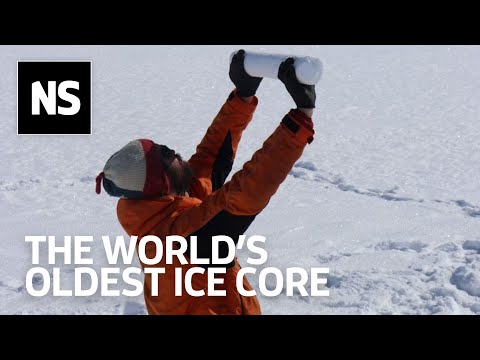
A 309-meter ice core pulled from the Guliya ice cap in western Tibet in 1992 and a 310-meter core drilled nearby in 2015 preserve nearly identical oxygen-isotope patterns. That match, plus radioactive clockwork in the ice itself, is what a new study uses to argue the record reaches back 128,000 years — the oldest ice core known outside the polar regions.

For roughly a decade, other researchers argued the Guliya ice was no older than the Holocene, the warm epoch that began about 12,000 years ago. If the older date holds, it means a large ice mass on the Tibetan Plateau survived the end of the last glacial period, and that a continuous mid-latitude climate archive exists for a span previously available only from Greenland and Antarctica.

Why it matters

A 128,000-year mid-latitude ice archive gives climate scientists a non-polar record spanning a full glacial cycle, a window that previously did not exist.

Questions about this story

Free account needed to ask — your question is kept and asked for you right after sign-up. Answers are public.

No questions yet — be the first to ask.

Key Indicators

128,000
Age of oldest dated Guliya ice (years before present)
The study extends the timescale to 128 thousand years using speleothem matching.
41,000
Age of the Laschamp geomagnetic excursion anchor (years)
Beryllium-10 and chlorine-36 peaks at 187 meters mark this magnetic event in the core.
310 m
Length of the 2015 Guliya core
The 1992 core measured about 309 meters; both were analyzed as a composite.
23 years
Gap between the two drillings
The 1992 and 2015 cores reproduced each other's isotope signal.

Voices

Curated perspectives — historical figures and your fellow readers.

Sign up to generate historical perspectives on this story.

People Involved

Organizations Involved

Timeline

1992 October 2026

4 events Latest: 3 days ago
Tap a bar to jump to that date
  1. Chronology extended to 128,000 years

    Latest Publication

    Researchers report matching cores, isotope peaks at the 41,000-year Laschamp excursion, and a speleothem comparison supporting a 128,000-year timescale.

  2. Published challenges to the Guliya age

    Scientific dispute

    Several papers argue the Guliya record is no older than the Mid-Holocene, roughly the last 12,000 years.

  3. Second core drilled nearby

    Fieldwork

    The GP2015 core, about 310 meters long, is extracted from a nearby site on the same cap.

  4. First Guliya core drilled

    Fieldwork

    A roughly 309-meter core is recovered from the Guliya ice cap in western Tibet.

Scenarios

1

Independent drilling confirms pre-Holocene ice at Guliya

Possible Resolves by End of 2029

Discussed by: Study authors, who call for additional cores and krypton-81 dating

The paper notes that krypton-81 dating now requires only about 1 kilogram of ice rather than 10, making it practical to test the bottom of the Guliya record. A new core to bedrock, dated by an independent method, would remove the reliance on isotope matching and cosmogenic assumptions. That is the path the authors themselves describe.

2

Critics publish a rebuttal to the 128,000-year timescale

Possible Resolves by Q2 2028

Discussed by: The researchers whose earlier papers challenged the Guliya chronology

The authors concede that chlorine-36 can migrate in low-accumulation ice and that the lowest samples produce implausible isotope ratios. A rebuttal would likely focus on those assumptions and on the speleothem match, which is a correlation rather than an absolute date. The dispute has already run for roughly a decade, so another round is plausible.

3

Guliya becomes a standard reference for mid-latitude glacial cycles

Uncertain Resolves by End of 2029

Discussed by: Climate researchers who work on non-polar paleoclimate records

If the chronology holds, the Guliya isotope record can be compared directly with Greenland and Antarctic cores across a full glacial cycle, and with Asian monsoon records. That would make it a routine comparison point in papers on Tibetan Plateau glaciation, which is how a contested chronology becomes accepted.

Historical Context

2 moments from history that rhyme with this story — and how they unfolded.

1993

Huascarán ice core, Peru (1993)

A drilling team led by Lonnie Thompson recovered an ice core from the Huascarán glacier in the Peruvian Andes, one of the first tropical glacier records used to reconstruct past climate.

Then

The core provided a tropical climate record spanning tens of thousands of years.

Now

It established mountain glaciers as viable climate archives outside the poles, a template the Guliya work follows.

Why this matters now

The new study notes that Huascarán records reach back only about 30,000 years, not 100,000, which is why Guliya is described as a unique mid-latitude archive.

2020-2026

The Guliya chronology challenge (2020 onward)

Several published papers argued that the Guliya ice cap holds no ice older than the Mid-Holocene, undercutting earlier claims of a much longer record.

Then

The age of the Guliya cores became contested in the peer-reviewed literature.

Now

The dispute pushed researchers toward multiple independent dating methods rather than a single isotope profile.

Why this matters now

The 2026 study is a direct response to those challenges, and its own authors flag remaining uncertainty at the base of the core.

Sources

(4)