




Pull to refresh
Logo
700,000-year-old elephant tooth reveals lush habitat on the route out of Africa

700,000-year-old elephant tooth reveals lush habitat on the route out of Africa

New Capabilities

Fossil from Israel's Hula Valley shows a water-rich refuge shared by giant elephants and early humans on the Levantine Corridor

Overview

Updated 1 hour ago

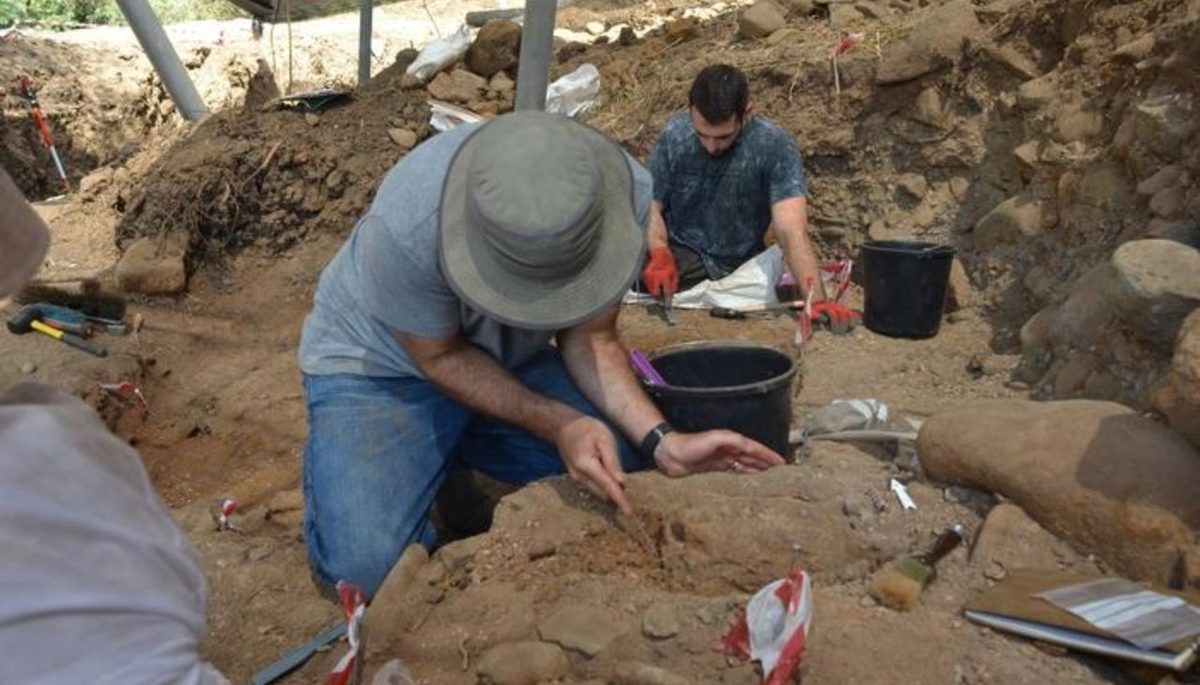
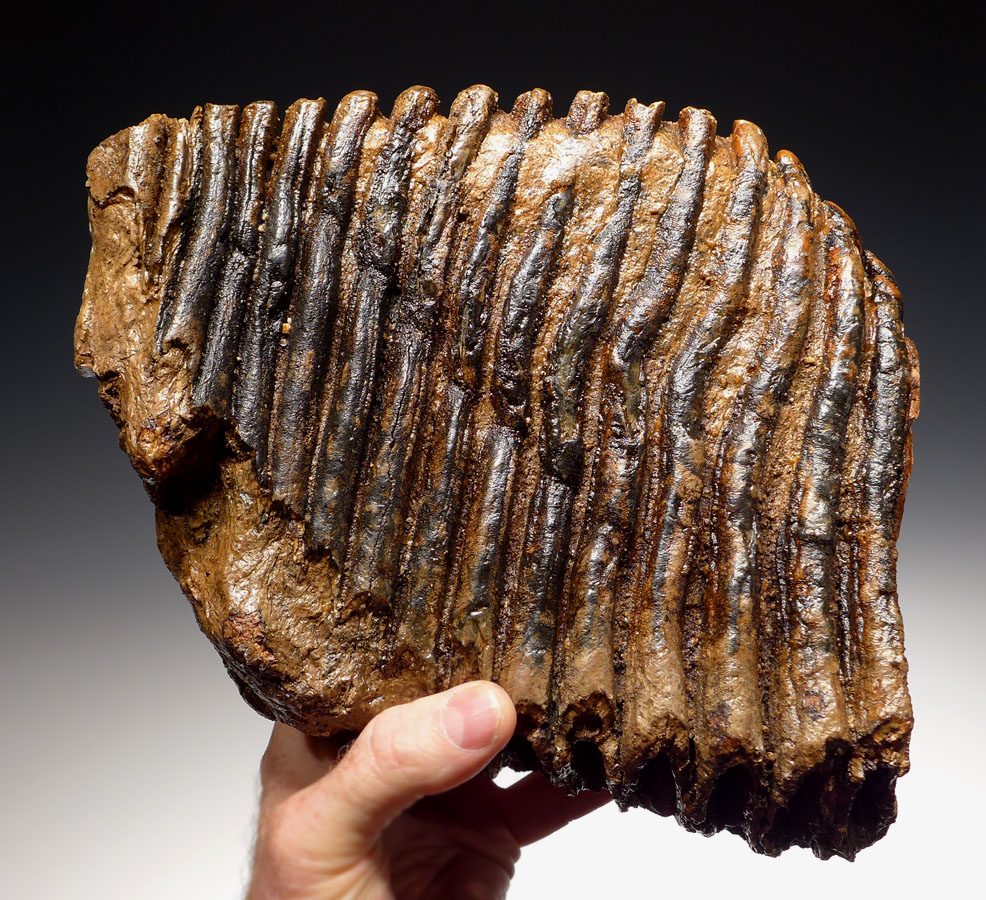
A 700,000-year-old elephant tooth is opening a window onto the world where early humans first crossed from Africa into Eurasia. The molar, found in northern Israel's Hula Valley beside stone handaxes and cleavers, belonged to a straight-tusked elephant, one of the largest land mammals of the Ice Age.

Chemical and pollen evidence from the tooth and nearby soil reveals a landscape of woodlands, wetlands, and rivers, far lusher than the dry valley of today. The site sits on the Levantine Corridor, the main land route out of Africa. The study argues this water-rich pocket acted as a stable refuge that helped early humans and megafauna survive the journey.

Why it matters

The finding shows how a water-rich corridor helped early humans survive their first crossings out of Africa, the route that shaped the human expansion.

Questions about this story

Free account needed to ask — your question is kept and asked for you right after sign-up. Answers are public.

No questions yet — be the first to ask.

Key Indicators

~700,000
Estimated age of the elephant tooth (years)
Based on argon-argon dating of volcanic rock in the same geological layer.
658–697
Range of argon-argon dates for the basalt beneath the fossils (thousand years ago)
A 2010 dating gave 658 ± 15 ka; a newer unpublished dating gives 696.8 ± 6.7 ka.
60 mm
Length of tooth enamel sampled
The enamel section represented several years of the animal's growth for isotope analysis.

Voices

Curated perspectives — historical figures and your fellow readers.

Sign up to generate historical perspectives on this story.

People Involved

Organizations Involved

Timeline

2026 October 2026

2 events Latest: Today
  1. Study findings reported publicly

    Today Announcement

    The study's findings on the 700,000-year-old habitat are reported, revealing the Hula Valley as a water-rich refuge for early humans and giant elephants.

  2. Study published in Quaternary Science Reviews

    Publication

    Researchers publish their analysis of the elephant molar from the North Bridge Acheulian site in northern Israel.

Scenarios

1

New argon-argon dating is published, settling the fossil's age

Likely Resolves by End of 2027

Discussed by: The study's own authors, who cite the new date only as a personal communication from Gonen Sharon

The paper leans on a basalt dating of 696.8 ± 6.7 ka that has not yet appeared in a peer-reviewed publication, while an older 2010 measurement put the same layer at 658 ± 15 ka. If the new dating is published and accepted, it anchors the tooth's age more firmly and resolves the gap between the two figures. If it stays unpublished, the fossil's precise age remains in question.

2

Further excavation at the North Bridge site yields more remains

Possible Resolves by End of 2028

Discussed by: Tel-Hai University's field team, which excavated the site that produced the tooth

The tooth came from a single layer with stone tools but no other reported hominin fossils. Continued digging at the North Bridge site could uncover more elephant bones, other animal remains, or additional hominin occupation layers. A discovery would deepen the picture of how early humans used this corridor habitat.

3

Comparative studies at other Levantine sites test the refuge model

Possible Resolves by Q2 2028

Discussed by: The study's research team, which argues the Hula Valley functioned as a stable ecological refuge

The researchers suggest the valley's persistent water and food resources helped early humans survive long-distance movement. That claim can be tested by applying the same isotope and pollen methods at other sites along the Levantine Corridor. Published results comparing multiple locations would confirm or complicate the refuge hypothesis.

Historical Context

2 moments from history that rhyme with this story — and how they unfolded.

2004

Gesher Benot Ya'aqov fire-use discovery (2004)

Researchers including archaeologist Naama Goren-Inbar published evidence that hominins at Gesher Benot Ya'aqov controlled fire around 790,000 years ago, among the earliest signs of fire use outside Africa. The finds included burned seeds, wood, and flint from the same Jordan Valley site system.

Then

The finding reshaped estimates of when early humans began controlling fire, pushing the date back by hundreds of thousands of years.

Now

Gesher Benot Ya'aqov became a reference site for Acheulian behavior in the Levant, drawing sustained research attention to the Hula Valley.

Why this matters now

The same valley has now produced evidence of the landscape itself, showing how water and food resources supported some of the earliest human populations in the region.

1960s

Ubeidiya excavations (1960s)

At Ubeidiya, a few dozen kilometers south in the Jordan Valley, excavators in the 1960s found an Acheulian site dated to about 1.5 million years old. It is one of the earliest Homo sites outside Africa, with stone tools and animal bones in ancient lake sediments.

Then

The excavation proved that hominins had reached the Jordan Valley more than a million years before the Gesher Benot Ya'aqov elephants lived.

Now

Ubeidiya established the Levantine Corridor as the key gateway for hominin movement out of Africa.

Why this matters now

The new Hula Valley find extends the same corridor's story, connecting a specific habitat to the broader arc of human migration out of Africa.

Sources

(5)