
Pull to refresh
Logo
Arctic sea ice ties 10th-lowest minimum as ice grows younger and thinner

Arctic sea ice ties 10th-lowest minimum as ice grows younger and thinner

Built World

2026 minimum reached September 12; scientists project ice-free summer before 2050

Today: NASA and NSIDC report the 2026 minimum

Overview

Updated 58 minutes ago

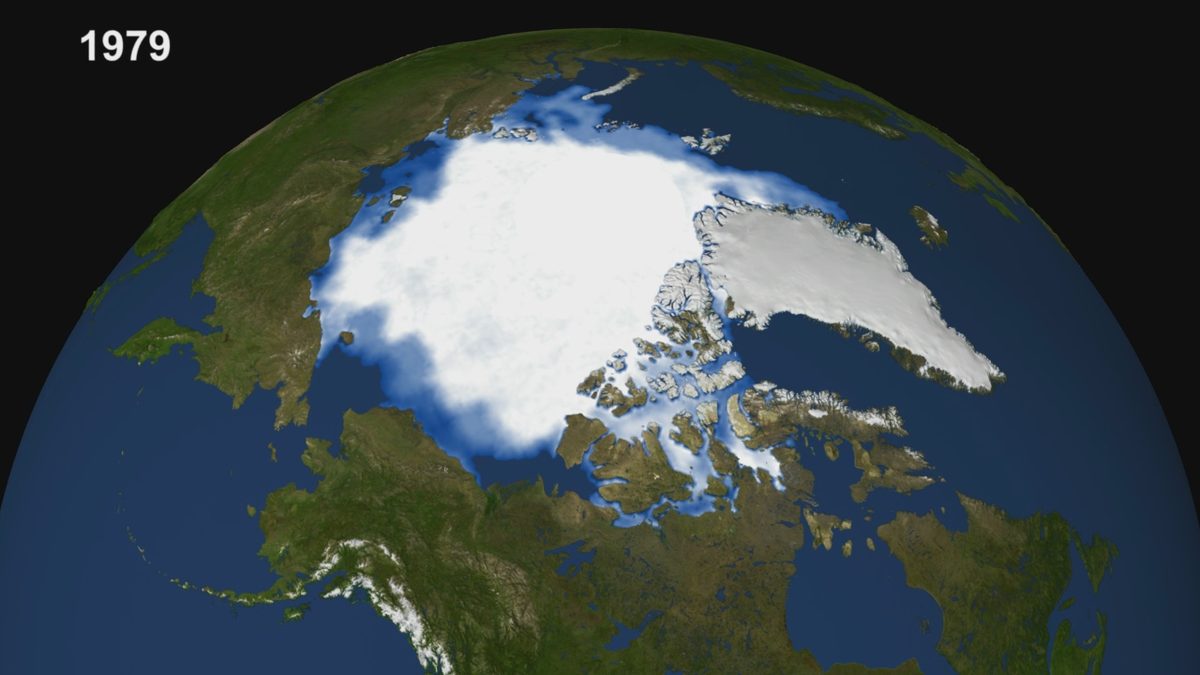
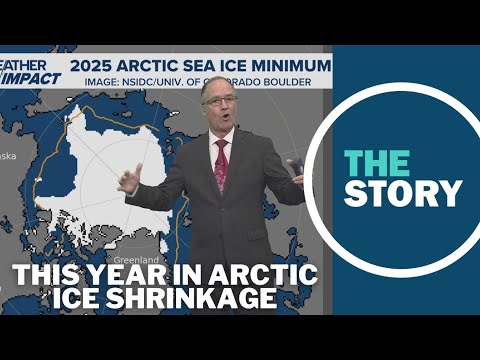
Arctic sea ice hit its annual minimum on September 12, covering 4.6 million square kilometers. That ties 2008, 2010, and 2025 for the 10th-lowest level in nearly five decades of satellite monitoring.

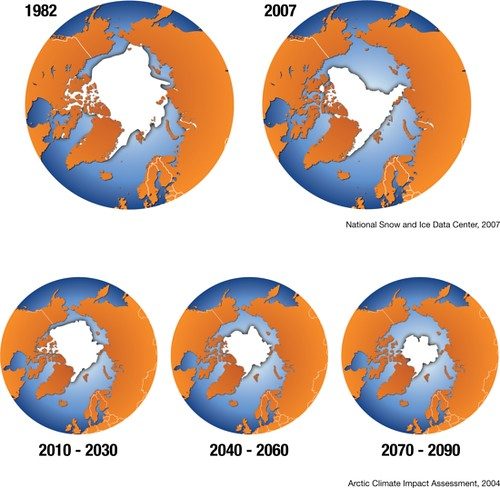
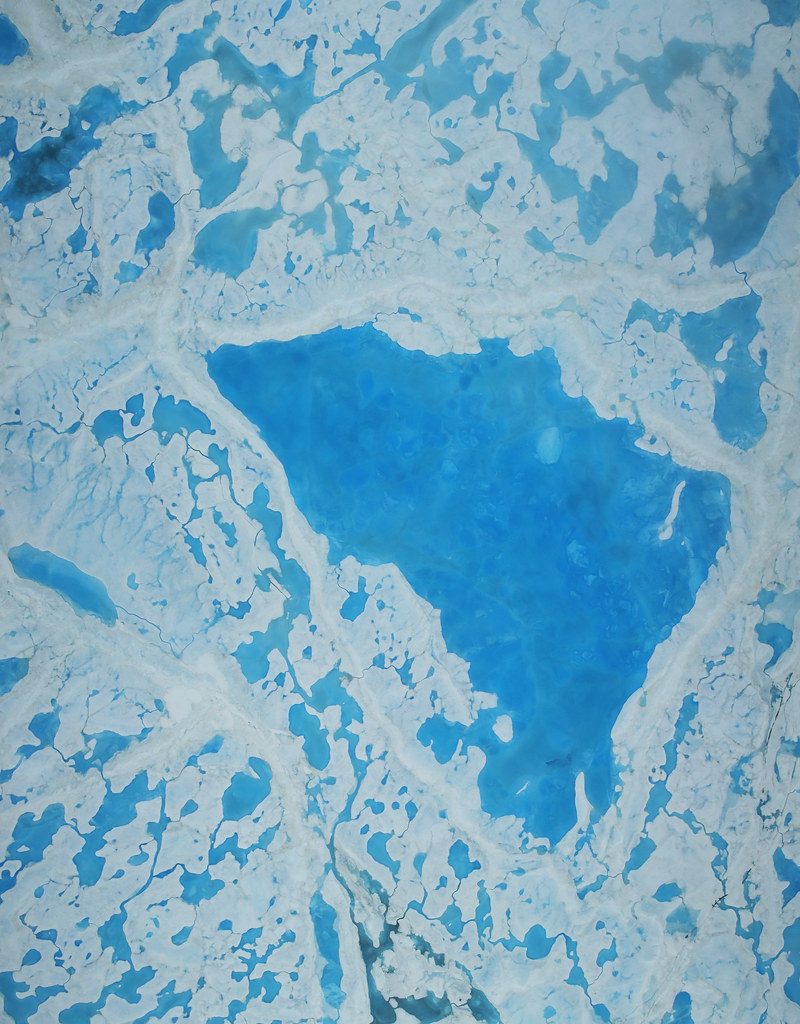
The ice that remains is younger and thinner. Multiyear ice has fallen from about 3.5 million square kilometers in the 1980s to between 1.3 and 1.9 million since 2007, and the oldest ice has nearly disappeared. Scientists project an essentially ice-free Arctic summer before 2050.

Why it matters

Arctic sea ice is shrinking in every season, and scientists project an ice-free summer before 2050.

Questions about this story

Free account needed to ask — your question is kept and asked for you right after sign-up. Answers are public.

No questions yet — be the first to ask.

Key Indicators

4.60 million sq km
2026 September minimum extent
Reached September 12, tied for 10th lowest in the satellite record.
10th lowest
Ranking in satellite record
Tied with 2008, 2010, and 2025.
74,100 sq km/year
Downward trend since 1979
September ice loss per year, or 11.6% per decade relative to the 1981-2010 average.
3.24 million sq km
Total September ice lost since 1979
Equivalent to twice the size of Alaska.

Voices

Curated perspectives — historical figures and your fellow readers.

Ever wondered what historical figures would say about today's headlines?

Sign up to generate historical perspectives on this story.

People Involved

Organizations Involved

Timeline

1978 October 2026

6 events Latest: Today
Tap a bar to jump to that date
  1. NASA and NSIDC report the 2026 minimum

    Today Report

    NASA and NSIDC publish analyses of the 2026 minimum, noting the ice is younger and thinner.

  2. 2026 minimum reached at 4.60 million sq km

    Measurement

    Arctic sea ice reaches its annual minimum, tied for 10th lowest with 2008, 2010, and 2025.

  3. Winter maximum ties lowest on record

    Milestone

    March 2026 maximum statistically ties March 2025 for the lowest winter peak.

  4. Record lowest September minimum observed

    Milestone

    September ice extent falls to its smallest level in the satellite record.

  5. Arctic enters era of record-low September extents

    Milestone

    September ice extent drops sharply, starting a 20-year run of record lows.

  6. Satellite monitoring of Arctic sea ice begins

    Milestone

    Continuous satellite tracking of Arctic sea ice extent begins.

Scenarios

1

Arctic records first ice-free summer before 2050

Likely Resolves by End of 2050

Discussed by: NASA and NSIDC scientists

NASA and NSIDC project an essentially ice-free Arctic summer at least once before mid-century. 'Nearly ice-free' means very low September coverage, not complete disappearance. A combination of continued warming and a favorable weather year could push the ice below that threshold.

2

September ice extent stays on its plateau

Possible Resolves by End of 2030

Discussed by: Met Office analysis

The Met Office notes the decline has 'paused' rather than recovered. Increased cloud cover has reduced sunlight reaching the ice, slowing melt. If this pattern continues, September minimums could stay near current levels for another decade or more, though still far below pre-2007 averages.

3

New record low breaks 2012's mark

Possible Resolves by End of 2035

Discussed by: NASA Earth Observatory

The 2012 record has stood for 14 years, but the long-term trend points downward. A summer with clear skies, warm temperatures, and favorable wind patterns could push September extent below the 2012 level. The recent plateau makes this less imminent, but the underlying trend remains negative.

Historical Context

2 moments from history that rhyme with this story — and how they unfolded.

September 2012

2012 record low (September 2012)

Arctic sea ice fell to its smallest September extent in the satellite record, far below anything previously observed. The 2007 record, set just five years earlier, was broken by a wide margin.

Then

The 2012 minimum became the benchmark for extreme melt years, and no year since has matched it.

Now

The record showed what a combination of long-term warming and favorable weather can produce, and it remains the lowest September extent on record.

Why this matters now

The 2012 record is the reference point for the current story. The 2026 minimum is 10th lowest, but the record from 2012 still stands, showing the difference between an extreme weather year and the long-term trend.

September 2007

2007 sudden drop (September 2007)

September ice extent dropped sharply, falling well below the previous record. The melt was driven by warm temperatures, clear skies, and wind patterns that pushed ice out of the Arctic.

Then

2007 marked the beginning of a new era. Every summer since has ranked among the 20 lowest September extents in the satellite record.

Now

The 2007 event showed that the Arctic could lose ice far faster than models predicted, and it reset expectations for what was possible.

Why this matters now

The 2007 drop began the 20-year run of record-low extents that includes the 2026 minimum. It marks the point where the Arctic shifted from gradual decline to a new, lower baseline.

Sources

(6)