

Pull to refresh
Logo
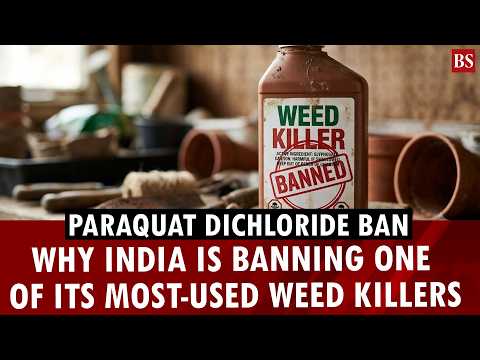
India and Bangladesh ban paraquat, a pesticide tied to suicide

India and Bangladesh ban paraquat, a pesticide tied to suicide

Rule Changes

The world's largest and third-largest rice producers join more than 70 countries in prohibiting the herbicide

Overview

Updated 1 hour ago

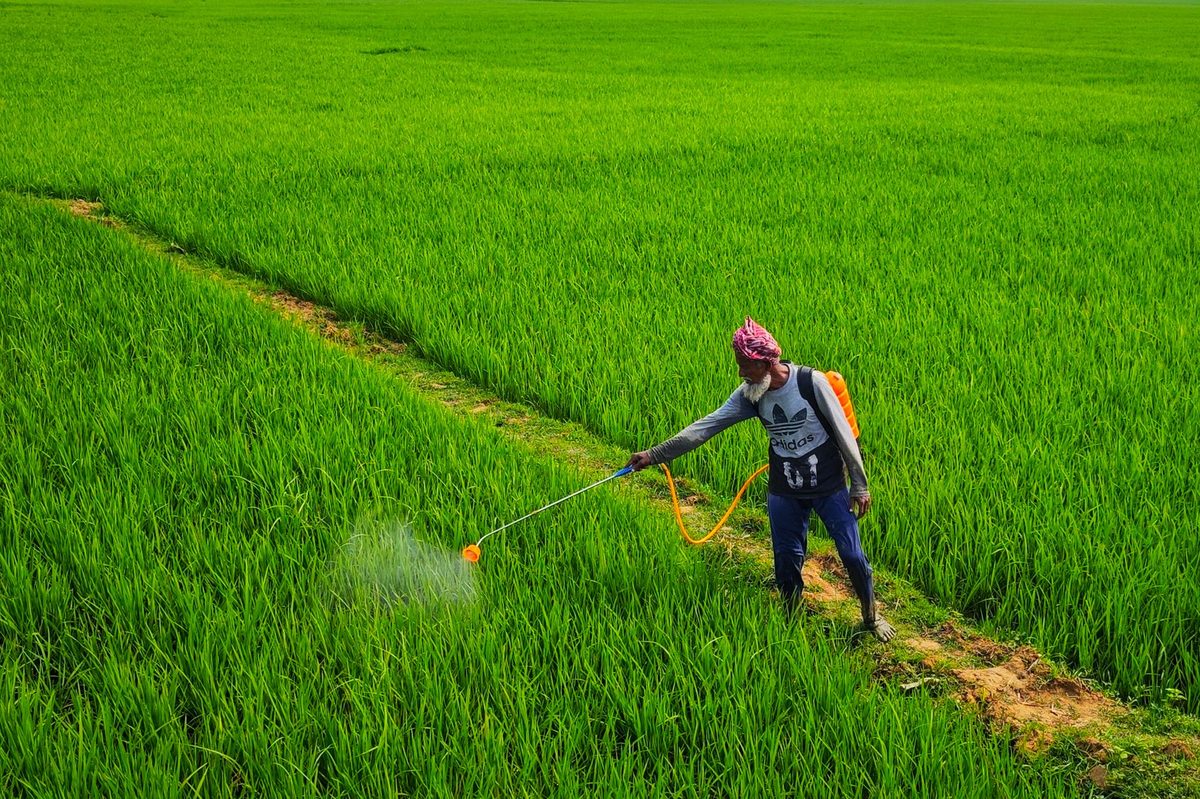
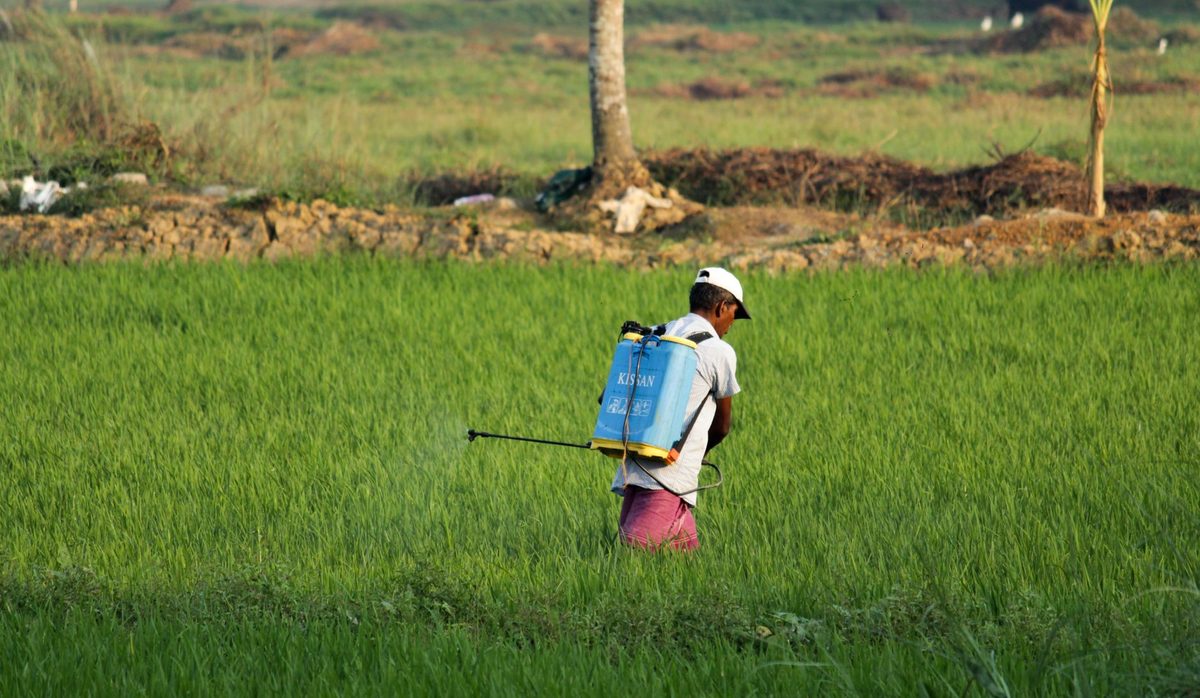
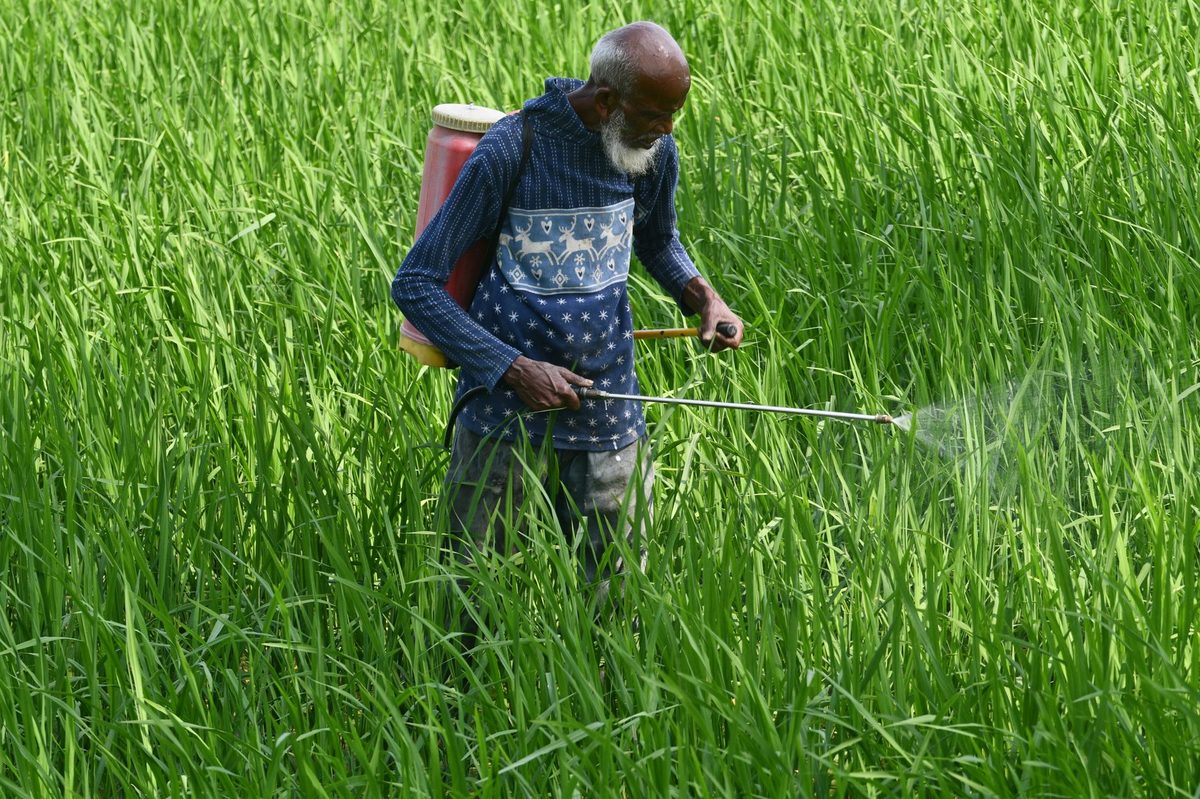
In September 2026, India and Bangladesh banned paraquat. India is the world's largest rice producer and Bangladesh is the third largest. In 2024 the two countries grew more than a quarter-billion tons of rice between them.

The World Health Organization called the decision 'momentous.' Its case rests on a simple mechanism: paraquat is highly lethal, and suicidal impulses often pass within minutes. Remove the chemical from the shelf and some attempts never happen. Reviews of national bans in South Korea, Malaysia and Sri Lanka found pesticide suicide rates fell by 28% to 92% afterward, without hurting farm output.

Why it matters

One in five suicides worldwide involves pesticide poisoning. Two of the biggest rice producers just removed a common route to it.

Questions about this story

Free account needed to ask — your question is kept and asked for you right after sign-up. Answers are public.

No questions yet — be the first to ask.

Key Indicators

70+
Countries that had already banned paraquat
Bangladesh and India joined this group in September 2026.
20%
Share of global suicides linked to pesticide ingestion
The World Health Organization's estimate, concentrated in rural Asia, Africa and Latin America.
250M tonnes
Rice grown by India and Bangladesh in 2024
Combined output of the world's largest and third-largest rice producers.
8,353
Pesticide suicides averted in South Korea, 2012-2019
Estimated drop after South Korea banned paraquat and eight insecticides.

Voices

Curated perspectives — historical figures and your fellow readers.

Sign up to generate historical perspectives on this story.

People Involved

Organizations Involved

Timeline

2011 November 2026

6 events Latest: Yesterday
Tap a bar to jump to that date
  1. Bans reported internationally as precedent

    Latest Coverage

    Reporting framed the September bans as a template for other rice-growing countries.

  2. WHO calls the bans 'momentous'

    Statement

    The agency cited evidence from South Korea, Malaysia and Sri Lanka that bans cut suicides.

  3. Geneva conference adopts chemical-safety indicators

    Policy

    The Global Framework on Chemicals provisionally adopted measures to track harm from toxic pesticides.

  4. India and Bangladesh declare national bans

    Regulation

    India cancelled all paraquat registrations; Bangladesh banned the chemical outright.

  5. India proposes paraquat prohibition

    Regulation

    Order S.O. 3800(E) opened a 30-day window for public objections.

  6. South Korea bans paraquat and eight insecticides

    Regulation

    The 2011-2012 bans became the most closely studied test of whether withdrawing lethal pesticides cuts suicides.

Scenarios

1

Another Asian government bans paraquat

Possible Resolves by End of 2027

Discussed by: The World Health Organization, which framed the South Asian bans as a precedent for other governments

The WHO's November statement explicitly positioned India and Bangladesh as a model. If another national government follows, the practical effect is a smaller global market for paraquat and a further reduction in the pool of lethal pesticides available on farms. The clearest signal would be a published prohibition in a national gazette rather than a ministerial announcement.

2

India's paraquat ban is stayed or narrowed

Unlikely Resolves by Q2 2027

Discussed by: Pesticide manufacturers and trade bodies have historically contested Indian registration decisions; no challenge has been reported yet

India's order came after a formal objection window, an expert committee review and consultation with the Registration Committee, which gives it a procedural record that is harder to overturn. A challenge would most likely argue that the government ignored scientific evidence on agricultural necessity. A stay would leave paraquat on Indian farms while Bangladesh's ban stands.

3

Pesticide suicide deaths fall in India and Bangladesh

Likely Resolves by Q2 2029

Discussed by: The WHO and the authors of systematic reviews of pesticide bans in Asia

The evidence base from South Korea, Malaysia and Sri Lanka points one way: removing a lethal pesticide reduces both pesticide suicides and overall suicides. India's National Crime Records Bureau publishes annual suicide data by method, which would give the first large-scale test of whether the same pattern holds across a country of 1.4 billion people.

Historical Context

2 moments from history that rhyme with this story — and how they unfolded.

2011-2012

South Korea's paraquat ban (2011-2012)

South Korea banned paraquat and eight insecticides commonly used in suicide attempts. Researchers later tracked every registered death from 1997 to 2019 to see what happened next.

Then

Pesticide suicide rates fell 15% in 2012 and a further 36% in 2013.

Now

An estimated 8,353 pesticide suicides were averted between 2012 and 2019, with no measurable effect on crop yields and no sign that people switched to other poisons.

Why this matters now

It is the cleanest demonstration that banning a single chemical changes the death rate, and the template the WHO cites when urging other countries to act.

Before September 2026

The slow spread of paraquat bans (through 2026)

Country by country, regulators withdrew paraquat over decades, citing its toxicity, its link to Parkinson disease and its role in self-poisoning. By the time India and Bangladesh acted, more than 70 countries had prohibited it.

Then

Farmers in banning countries shifted to other herbicides, and reviews found no drop in agricultural productivity.

Now

The bans created a body of evidence that regulators elsewhere could point to, but left major producers including the United States and China outside the group.

Why this matters now

The South Asian decision matters because of who joined: the largest rice producer on earth, and the third largest.

Sources

(6)