

Pull to refresh
Logo
India's tiger, lion and rhino populations grow as global wildlife falls

India's tiger, lion and rhino populations grow as global wildlife falls

Rule Changes

Project Tiger and state-backed reserves have doubled India's big cat numbers in two decades — at the cost of rising attacks on people

2 days ago: Human Progress reports India's growing wildlife populations

Overview

Updated 1 hour ago

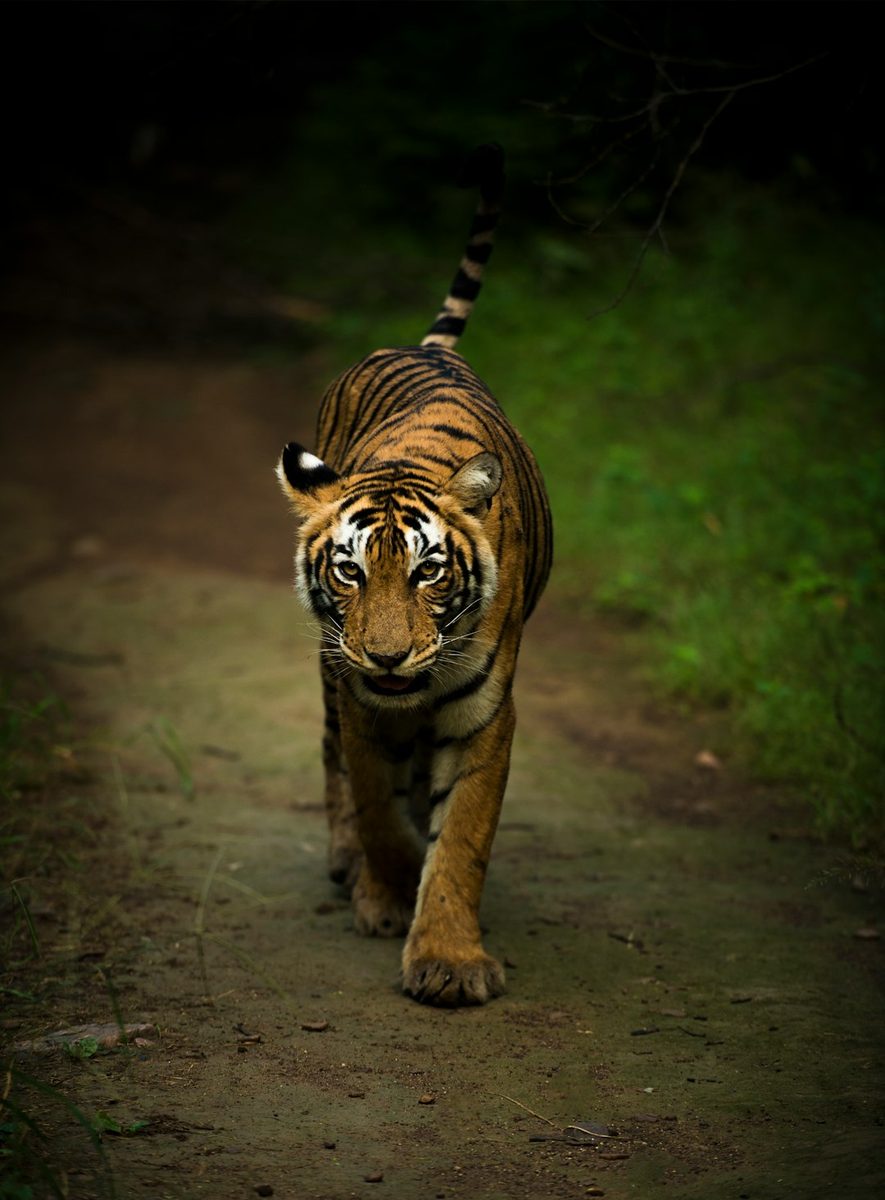
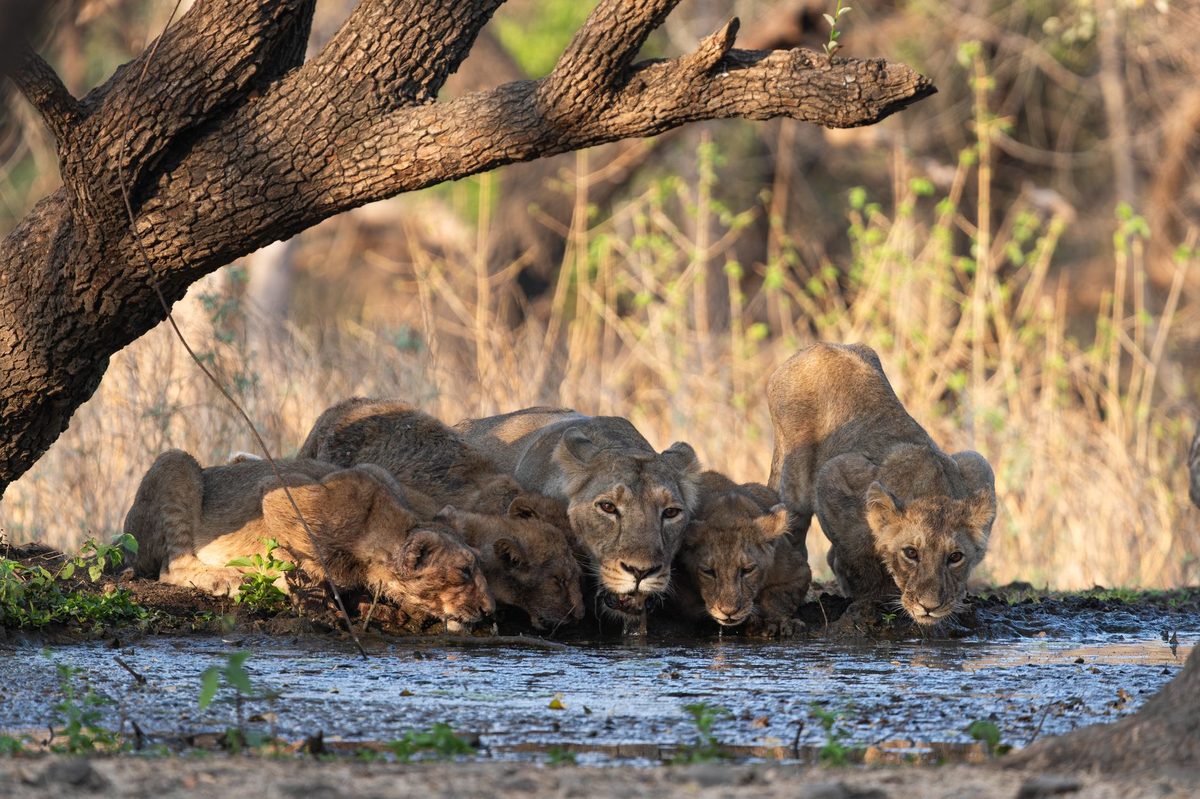
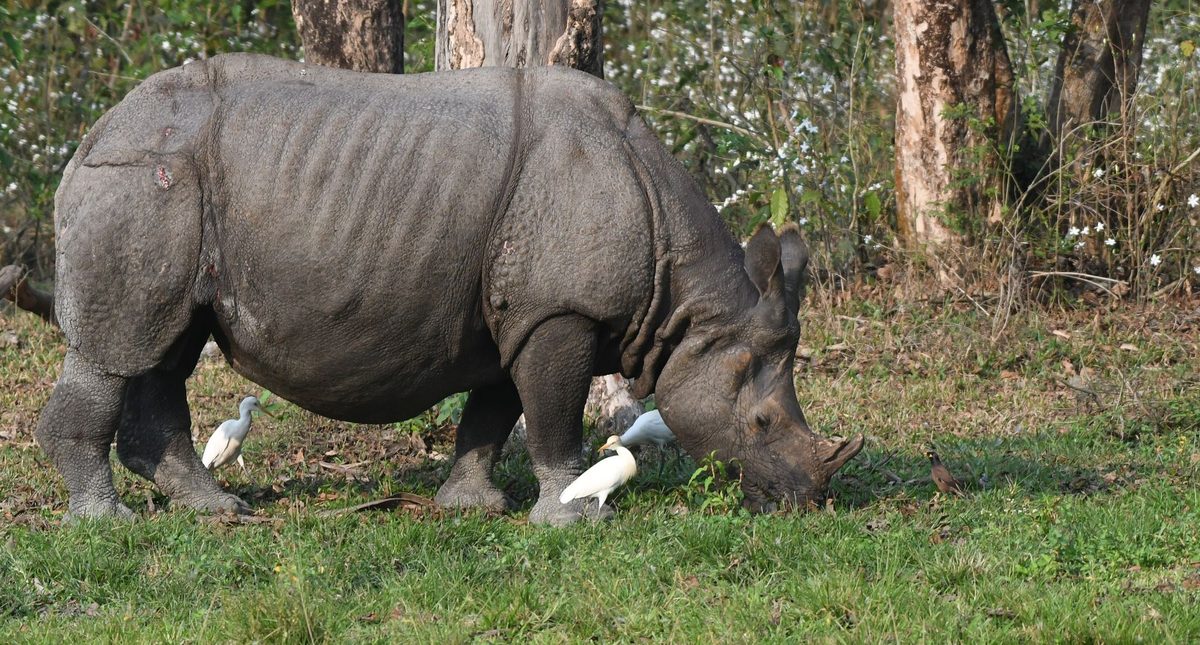
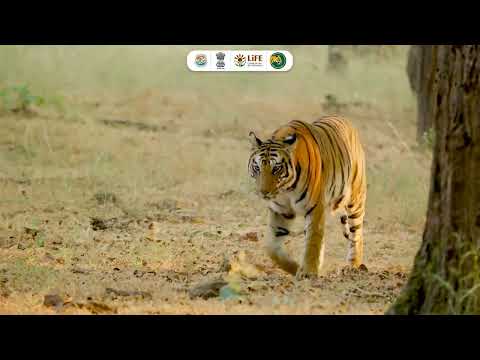
The world's monitored wildlife populations fell 73% on average between 1970 and 2022, the WWF's Living Planet Report found. India's flagship species moved the other way: wild tigers more than doubled in two decades to about 3,700, Asiatic lions climbed from 674 in 2020 to 891 in 2025, and greater one-horned rhinos now number over 3,300.

The mechanism is 'mission mode' government programs — Project Tiger since 1973 and Project Elephant since 1992 — with dedicated reserves, anti-poaching units and camera-trap monitoring. India now holds more than 70% of the world's wild tigers.

The cost is rising human-wildlife conflict. More than 600 people died in encounters between 2014 and 2024, and 45% of tigers now share habitat with some 66 million people. The open question is whether India can extend the model beyond protected areas to species like the great Indian bustard and the Indian wolf.

Why it matters

A crowded, middle-income country holds 70% of the world's wild tigers — proof conservation can work, at the cost of rising attacks on people.

Questions about this story

Free account needed to ask — your question is kept and asked for you right after sign-up. Answers are public.

No questions yet — be the first to ask.

Key Indicators

3,682
India's wild tiger population (2022 census)
More than doubled from 2,226 in 2014; India holds over 70% of the world's wild tigers.
891
Asiatic lions in Gujarat (2025)
Up from 674 in 2020 and 327 in 2000, confined to the Gir landscape.
3,300+
Greater one-horned rhinos
India holds nearly all of the species' global population, mostly in Assam's Kaziranga park.
13,874
Common leopards
A non-big-cat species also recovering alongside the flagship animals.
-73%
Average global wildlife decline, 1970-2022
WWF Living Planet Report figure across 5,790 vertebrate species; freshwater down 85%.
600+
Human deaths from wildlife conflict, 2014-2024
Fatalities climbed after 2022 as tigers increased about 6% a year.
6.1%
Annual tiger population growth
Estimated growth rate as tigers expand into multiple-use habitats.

Voices

Curated perspectives — historical figures and your fellow readers.

Ever wondered what historical figures would say about today's headlines?

Sign up to generate historical perspectives on this story.

People Involved

Organizations Involved

Timeline

1952 October 2026

11 events Latest: 2 days ago Showing 8 of 11
Tap a bar to jump to that date
  1. Human Progress reports India's growing wildlife populations

    Latest Report

    Human Progress reports India's tiger, lion and rhino populations growing as state capacity protects species.

  2. WWF Living Planet Report shows global decline, Indian gains

    Report

    WWF Living Planet Report shows 73% global wildlife decline with India's gains highlighted.

  3. Asiatic lions reach 891; snow leopards first assessed

    Census

    Asiatic lions reach 891; first nationwide snow leopard assessment counts 718.

  4. Tiger census hits 3,682; cheetah imports begin

    Census

    Tiger census hits 3,682; India imports African cheetahs to re-establish an extinct species.

  5. Asiatic lion count reaches 674

    Census

    Asiatic lion count reaches 674 in Gujarat.

  6. Tiger census rises to 2,967

    Census

    Tiger census rises to 2,967, up sharply from 2014.

  7. National tiger census records 2,226 tigers

    Census

    National tiger census records 2,226 tigers, the baseline for the current recovery.

  8. Asiatic lion count at 327

    Census

    Asiatic lion population confined to Gujarat's Gir landscape estimated at 327.

  9. Project Elephant launches

    Policy

    Project Elephant launches to protect elephant herds, habitats and migration routes.

  10. Project Tiger launches

    Policy

    Project Tiger launches as India's national animal nears extinction.

  11. Cheetah declared extinct in India

    Extinction

    India declares the cheetah extinct within its borders after centuries of hunting and habitat loss.

Scenarios

1

Next tiger census puts India above 4,000 tigers

Likely Resolves by Q2 2027

Discussed by: WWF Living Planet Report; National Tiger Conservation Authority

India's next All India Tiger Estimation is due to run in 2026. If the 6.1% annual growth holds, the count should pass 4,000, up from 3,682 in 2022. A count above 4,000 would reinforce federal funding for Project Tiger and support plans to export tigers to Cambodia and other countries.

2

Rising conflict forces a central policy response

Possible Resolves by End of 2027

Discussed by: State forest departments; Qamar Qureshi and YS Jhala of the Wildlife Institute of India

With 45% of tigers living in multiple-use habitats shared with some 66 million people, deaths and property damage keep climbing. Analysts expect the central government or a state like Maharashtra or Gujarat to introduce a formal conflict policy — new compensation pools, insurance schemes, or authorized problem-animal intervention — within the next year or two.

3

Non-flagship species keep declining outside protected areas

Likely Resolves by Q2 2027

Discussed by: YS Jhala; Wildlife Institute of India assessments

India's recovery has focused on species inside reserves. YS Jhala says the great Indian bustard, Indian wolf and foxes have no comparable strategy because they live mostly outside protected areas. If their next censuses show continued declines with no new recovery plan, India's conservation story splits: charismatic species thriving, open-country species vanishing.

Historical Context

3 moments from history that rhyme with this story — and how they unfolded.

by 1952

India's cheetah extinction (1952)

After centuries of hunting and habitat loss, the cheetah was declared extinct within India's borders in 1952. India became one of the few large nations to lose one of its big cats completely.

Then

The species vanished from India while surviving in Africa.

Now

Starting in 2022, India began importing African cheetahs to re-establish the species, ending a 70-year absence.

Why this matters now

It frames the scale of India's turnaround — from losing a big cat to actively restoring one through the same conservation machinery.

2000s–2020s

Malaysia's tiger collapse (2000s–2020s)

Over the past two decades, tiger numbers collapsed in parts of Asia that are richer and less crowded than India, including Malaysia. India's population more than doubled over the same period.

Then

Malaysia's wild tigers fell to critically low numbers despite stronger state resources.

Now

The contrast shows that money and sparse populations did not by themselves save tigers — enforcement and protected-area policy did.

Why this matters now

It highlights that India's recovery was a policy choice, not an accident of geography or wealth.

2020s

Cambodia's tiger export (2020s)

Tigers went extinct in Cambodia, and India agreed to export tigers to help repopulate the country. The move turned India from a conservation importer into a source of apex predators for other nations.

Then

India committed to provide tigers for release in Cambodian forests.

Now

It marks a step toward re-establishing tigers in a country where they had disappeared.

Why this matters now

It shows India's wildlife recovery has moved beyond its own borders into regional restoration.

Sources

(8)