
Pull to refresh
Logo
Algeria opens tender for 341km southern rail section

Algeria opens tender for 341km southern rail section

Built World

The El-Menea–In Salah–Tamanrasset procurement advances a plan to grow Algeria's rail network from 6,000 to 15,000 kilometers by 2030.

Today: Tender announced for 341km El-Menea–In Salah–Tamanrasset section

Overview

Updated 1 hour ago

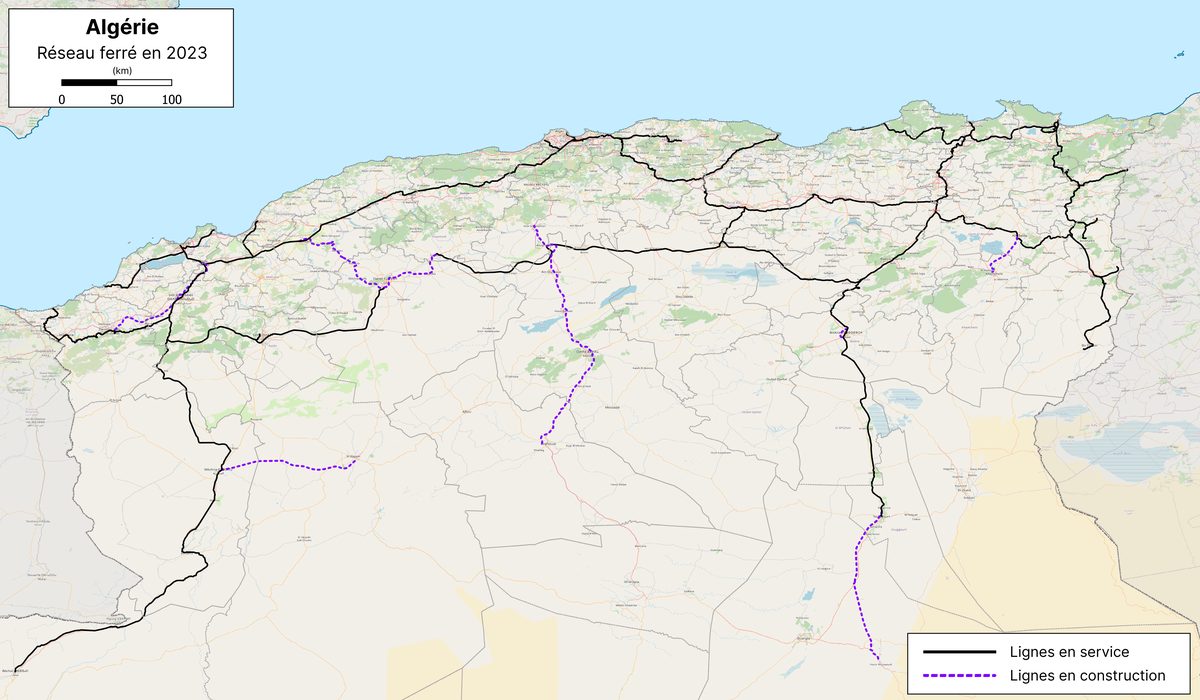
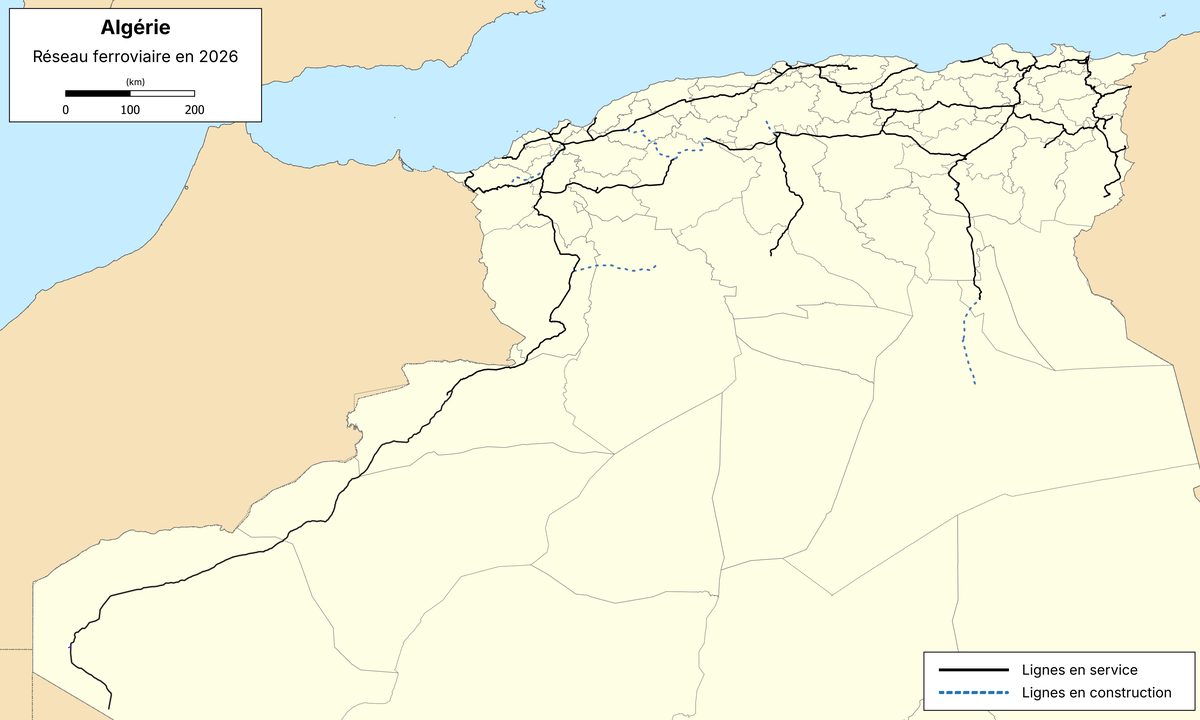
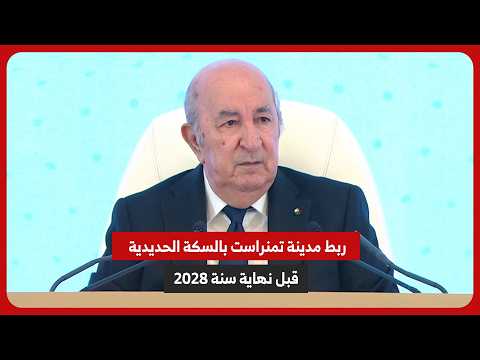
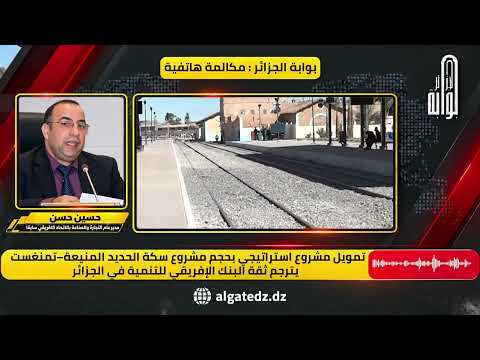
Algeria has invited contractors to bid on a 341-kilometer railway section through the Sahara, along the El-Menea–In Salah–Tamanrasset corridor. The tender is the latest step in a push to extend rail connectivity into the country's vast southern territories.

The corridor is part of a plan to expand Algeria's rail network from 6,000 to 15,000 kilometers by 2030. The railway would connect Sahara mining and farming regions to northern ports and markets, and eventually open a route toward West Africa.

Why it matters

If completed, the corridor would link Algeria's Sahara mineral and farm regions to Mediterranean ports and open a rail route toward West Africa.

Questions about this story

Free account needed to ask — your question is kept and asked for you right after sign-up. Answers are public.

No questions yet — be the first to ask.

Key Indicators

341 km
Tendered section length
The El-Menea–In Salah–Tamanrasset section open for bids.
15,000 km
Target network size by 2030
Algeria's rail network would grow from 6,000 to 15,000 kilometers.
$2.5B+
Value of separate 495km contracts
Two contracts tendered in March 2026 for the Laghouat–Ghardaia–El-Menea section.
1,086 km
Corridor length assessed by AfDB-IsDB
The El Meniaa–In Salah–Tamanrasset corridor covered by the September-October 2026 mission.

Voices

Curated perspectives — historical figures and your fellow readers.

Ever wondered what historical figures would say about today's headlines?

Sign up to generate historical perspectives on this story.

People Involved

Organizations Involved

Timeline

March 2026 October 2026

5 events Latest: Today
Tap a bar to jump to that date
  1. Tender announced for 341km El-Menea–In Salah–Tamanrasset section

    Today Tender

    Contractors invited to bid on the 341-kilometer railway section along the strategic southern corridor.

  2. ANESRIF issues global tender for 310km Hoter–Moulay Lahcen section

    Tender

    Global tender for a 310-kilometer railway linking mining areas to the national network, bids due November 10.

  3. President Tebboune orders immediate launch of southern rail projects

    Directive

    Tebboune directed that work start from Tamanrasset on the Laghouat–El Meniaa–In Salah–Tamanrasset line.

  4. AfDB and IsDB begin joint mission along the corridor

    Assessment

    A nine-member mission traveled 1,086 kilometers along the El Meniaa–In Salah–Tamanrasset sections, covering ten provinces over ten days.

  5. ANESRIF tenders 495km Laghouat–Ghardaia–El-Menea contracts

    Tender

    Two contracts worth over $2.5 billion combined, covering 495 kilometers of railway, with bids due May 24.

Scenarios

1

Contract awarded for 341km section

Likely Resolves by Q2 2027

Discussed by: MEED, Construction Review

ANESRIF awards the 341km El-Menea–In Salah–Tamanrasset contract to a named contractor or consortium. The award would follow the pattern of the March 2026 tenders for the 495km section, which drew international interest. Construction would then begin on the southern end of the corridor, as President Tebboune directed.

2

AfDB and IsDB sign financing for the corridor

Possible Resolves by End of 2027

Discussed by: African Development Bank

The African Development Bank and Islamic Development Bank convert their corridor assessments into loan agreements. The AfDB has already committed $870 million to the 495km section. A broader financing package would accelerate the entire Algiers–Tamanrasset corridor.

3

Construction begins from Tamanrasset

Possible Resolves by End of 2027

Discussed by: Algerie Presse, La Voie d'Algerie

President Tebboune ordered work to start from Tamanrasset, the southern end of the corridor. If the 341km tender is awarded and site preparation begins, construction crews would mobilize in the Sahara. This would mark the first physical construction on the southern corridor.

Historical Context

3 moments from history that rhyme with this story — and how they unfolded.

1879-1940s

Trans-Saharan railway proposals (1879-1940s)

French colonial planners proposed a railway from Algeria across the Sahara to the Niger River and West Africa. Survey expeditions in the 1870s and 1880s mapped routes, but the line was never built. The Sahara's vast distances and cost defeated every attempt.

Then

The proposals remained on paper; no trans-Saharan rail was ever completed.

Now

The idea persisted for decades as a symbol of French imperial ambition, but the Sahara remained unconnected by rail.

Why this matters now

Algeria's current project revives a century-old ambition to link the Mediterranean to West Africa by rail, now with modern engineering and financing.

2016-2018

Addis Ababa–Djibouti railway (2018)

Ethiopia and Djibouti opened a 756km standard-gauge railway connecting Addis Ababa to the port of Djibouti. China's state railway companies built and financed most of the line, which replaced a colonial-era narrow-gauge railway.

Then

The line gave landlocked Ethiopia a modern rail link to the sea, cutting freight times from days to hours.

Now

It became a model for Chinese-financed rail projects across Africa and a symbol of regional integration.

Why this matters now

Shows how a single rail corridor can transform a country's trade access, the same logic driving Algeria's southern expansion.

1970-1975

TAZARA railway (1975)

China financed and built the 1,860km Tanzania-Zambia railway, connecting landlocked Zambia to the port of Dar es Salaam. The line was built to give Zambia an export route independent of white-ruled southern Africa.

Then

Zambia gained a new export corridor, and China gained a foothold in African infrastructure.

Now

The line became a symbol of South-South cooperation and Chinese infrastructure investment in Africa.

Why this matters now

Demonstrates the strategic value of rail links connecting landlocked regions to ports, a pattern Algeria's corridor follows.

Sources

(10)