
Pull to refresh
Logo
Alstom wins €460M contract to expand Riyadh's driverless metro fleet

Alstom wins €460M contract to expand Riyadh's driverless metro fleet

Built World

Alstom's €460 million share of a $1.5 billion order to expand Riyadh's driverless metro fleet

Overview

Updated 4 hours ago

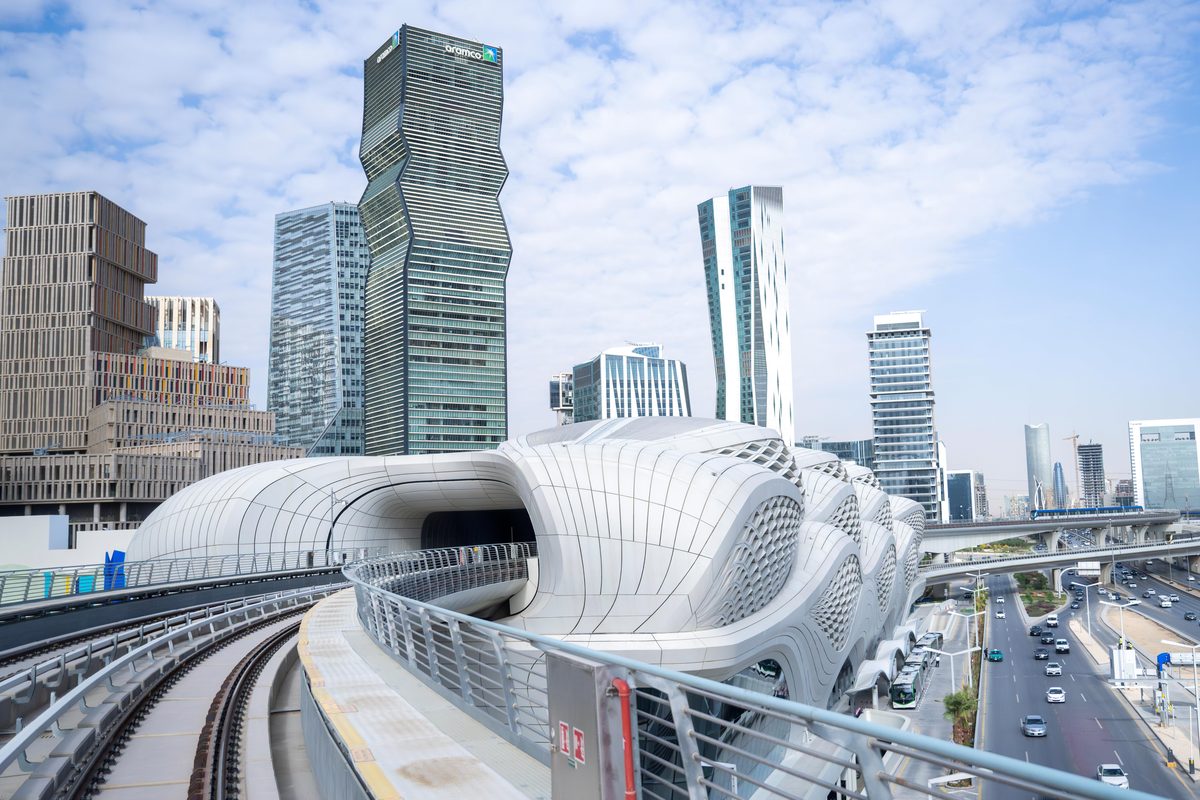
Riyadh's metro has carried more than 300 million passengers since it opened in late 2024, and the city is still buying trains. On October 13 the Royal Commission for Riyadh City signed contracts worth about $1.5 billion with Alstom and Siemens for 94 more trains, lifting the fleet from 183 to 277.

Alstom's €460 million share covers Lines 3, 4 and 6, with deliveries due from 2028. The commission expects the extra trains to raise network capacity 60%, including 116% on the Yellow Line that serves the Expo 2030 site, and on November 16 it broke ground on the Riyadh Metro Expo Station. Alstom booked the Riyadh order in its September quarter, then reported a €396 million half-year operating loss on November 17.

Why it matters

Riyadh is spending billions to move millions of visitors during Expo 2030, and the trains have to run before the gates open.

Questions about this story

Free account needed to ask — your question is kept and asked for you right after sign-up. Answers are public.

No questions yet — be the first to ask.

Key Indicators

$585.5M
Alstom contract value
Alstom's €460 million order for additional driverless trains, estimated at $585.5 million including VAT.
94
Additional trains ordered
Trains ordered from Alstom and Siemens in October 2026, with deliveries due from 2028.
277
Fleet after expansion
The metro fleet grows from 183 to 277 trains once the new order is delivered.
300M+
Passengers since opening
The network has carried more than 300 million passengers since entering service in late 2024.
176 km
Network length
The Riyadh Metro spans 176 km of rail across six color-coded lines and 85 stations.

Voices

Curated perspectives — historical figures and your fellow readers.

Sign up to generate historical perspectives on this story.

People Involved

Organizations Involved

Timeline

2024 November 2026

8 events Latest: 6 days ago
Tap a bar to jump to that date
  1. Alstom posts €396M first-half operating loss

    Latest Financial

    Sales rose 3% to €9.3 billion, adjusted operating profit was a €396 million loss and net loss was €954 million. Alstom confirmed its full-year margin guidance near 1% and said performance should normalise from fiscal 2027/28.

  2. RCRC breaks ground on Riyadh Metro Expo Station

    Construction

    The Royal Commission for Riyadh City starts construction on a transit hub designed to serve the Expo 2030 site.

  3. Alstom issues profit warning

    Financial

    Alstom cuts its forecast for the 2026/27 adjusted operating margin to about 1% and projects a €1.5 billion cash outflow.

  4. RCRC orders 94 more trains from Alstom and Siemens

    Contract

    The Royal Commission for Riyadh City signs contracts worth about $1.5 billion to lift the metro fleet from 183 to 277 trains. Deliveries begin in phases from 2028.

  5. Riyadh Metro passes 300 million passengers

    Milestone

    RCRC chief executive Ibrahim Al-Sultan says the network has carried more than 300 million passengers since opening, with average ridership up about 25% in the first nine months of 2026.

  6. Alstom signs €460M fleet expansion contract

    Contract

    Alstom and RCRC sign a contract for additional driverless trains on Lines 3, 4 and 6, with maintenance under the existing operations contract.

  7. Four consortiums submit final offers for Riyadh Metro Line 7

    Contract

    Alstom, Siemens, Hitachi Rail and CRRC each lead a consortium that submitted best-and-final offers for Line 7, a 65 km orbital line with 19 stations. The design-and-build award is expected later in 2026, per MEED.

  8. Riyadh Metro opens to passengers

    Launch

    The $22.5 billion automated metro network begins passenger service across six color-coded lines.

Scenarios

1

Alstom delivers expanded fleet, Riyadh Metro boosts frequency

Likely Resolves by End of 2028

Discussed by: Alstom press release and Construction Review

Alstom delivers the additional driverless trains and integrates them into Lines 3, 4, and 6, increasing service frequency and cutting wait times. The order is booked in the second quarter of Alstom's 2026/27 financial year, and delivery proceeds on schedule.

2

Riyadh orders even more trains before Expo 2030

Possible Resolves by End of 2028

Discussed by: Enterprise AM, Alstom press release

With the Yellow Line set to serve the 2030 World Expo, RCRC places another order for additional metro trains.

3

Delivery slips, capacity targets pushed back

Unlikely Resolves by End of 2028

Discussed by: Construction Review

Integration of the new trains into the existing automated network faces delays, pushing back the planned frequency improvements. The order's timeline extends beyond initial expectations.

4

Alstom wins Riyadh Metro Line 7

Possible Resolves by End of 2026

Discussed by: TrainsNews, MEED

Alstom's consortium with Webuild, Nesma and China Harbour Engineering wins the Line 7 design-and-build contract. A win would extend Alstom's Metropolis trains and Urbalis signalling to a 65 km line with 19 stations running from Diriyah Gate in the north to Qiddiya in the southwest, linking King Salman Park, New Murabba and King Salman International Airport.

5

Expo Station opens before Expo 2030

Possible Resolves by Oct 1, 2030

Discussed by: Construction Review

RCRC completes the Riyadh Metro Expo Station in time to carry visitors to the 2030 World Expo, connecting the Yellow Line to the exhibition site.

Historical Context

2 moments from history that rhyme with this story — and how they unfolded.

September 2009

Dubai Metro (2009)

Dubai opened the first driverless metro in the Middle East, with Red and Green lines spanning the city. It later added the Route 2020 extension to serve the Expo 2020 site.

Then

The metro became a backbone of Dubai's public transit, carrying hundreds of millions of passengers annually.

Now

It set the regional standard for automated urban rail and demonstrated how Gulf cities use metros to support mega-events.

Why this matters now

Dubai's Route 2020 extension served a world expo, the same role Riyadh's Yellow Line will play for Expo 2030.

May 2019

Doha Metro (2019)

Qatar opened a driverless metro network in Doha ahead of the 2022 FIFA World Cup, with three lines designed to move fans between stadiums and the city center.

Then

The metro carried millions of passengers during the tournament and became a permanent part of Doha's transit system.

Now

It showed that Gulf states can build and operate fully automated metro networks on tight timelines for global events.

Why this matters now

Like Doha's World Cup metro, Riyadh's network is being expanded to handle the surge in visitors expected for Expo 2030.

Sources

(18)