
Pull to refresh
Logo
Forest soils in southwestern Germany absorb more methane as climate dries, study finds

Forest soils in southwestern Germany absorb more methane as climate dries, study finds

New Capabilities

Methane uptake rose about 3% a year over up to 24 years—opposite of what international reviews predicted

Today: University of Göttingen publicizes 24-year methane findings

Overview

Updated 1 hour ago

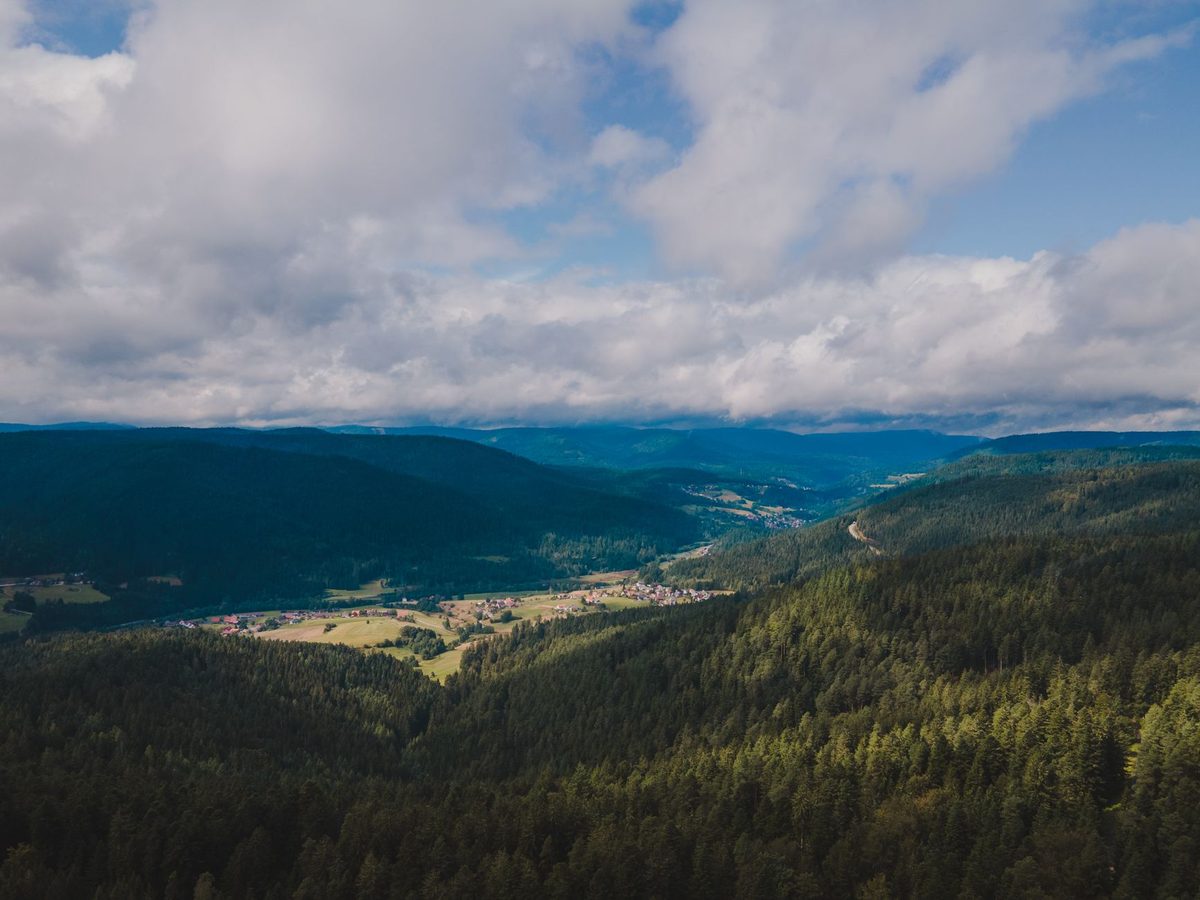
Forest soils in southwestern Germany are pulling more methane out of the air every year, not less. A study of 13 sites over up to 24 years found absorption rising about 3% annually—the opposite of what several international reviews predicted.

The mechanism is physical. Drier soil leaves more air-filled pores, so methane diffuses deeper where microbes consume it. Warmer temperatures speed that work. The finding suggests methane budgets may need regional corrections rather than a single global trend.

Why it matters

If drier forests scrub more methane from the air, climate models may be undercounting a natural brake on a potent greenhouse gas.

Questions about this story

Free account needed to ask — your question is kept and asked for you right after sign-up. Answers are public.

No questions yet — be the first to ask.

Key Indicators

3%
Average annual increase in methane absorption
Rise measured across 13 southwestern German forest sites over up to 24 years.
13
Forest sites measured
Sites across southwestern Germany, with soil gas profiles sampled every two weeks.
24
Years of continuous measurements
Longest monitoring record in the dataset, among the world's most comprehensive.
77%
Decline in US forest methane uptake over three decades
A separate US study found the opposite trend, driven by increasing rainfall.

Voices

Curated perspectives — historical figures and your fellow readers.

Ever wondered what historical figures would say about today's headlines?

Sign up to generate historical perspectives on this story.

People Involved

Organizations Involved

Timeline

2025 October 2026

2 events Latest: Today
  1. University of Göttingen publicizes 24-year methane findings

    Today Publication

    The university releases a report via ScienceDaily detailing how drier, warmer conditions boost forest soil methane absorption, challenging prior predictions.

  2. Study published in Agricultural and Forest Meteorology

    Research

    Lang, Gartiser, Hartmann, and Maier publish analysis of up to 24 years of methane measurements from 13 German forest sites, finding 3% annual absorption increases.

Scenarios

1

German forest methane uptake keeps rising as regional climate dries

Possible Resolves by End of 2028

Discussed by: The study's authors, who argue long-term monitoring is essential to detect gradual shifts

If declining rainfall and warming continue in southwestern Germany, the 13 monitored sites keep absorbing more methane each year. New publications from the University of Göttingen or FVA would confirm the trend extends beyond the current dataset.

2

Global methane budget revises forest soil sink to reflect regional moisture

Possible Resolves by End of 2028

Discussed by: Researchers who note the German results directly contradict the US trend, suggesting region-specific modeling is needed

The Global Carbon Project's next methane budget update incorporates regional soil-moisture effects on forest soil uptake, acknowledging that drier and wetter regions move in opposite directions. This would change how sinks are credited across different climate zones.

3

Global forest soil methane sink keeps shrinking despite German gains

Uncertain Resolves by End of 2028

Discussed by: Researchers behind the US study and earlier meta-analyses concluding forest soil methane uptake is declining

A new global synthesis or major assessment confirms that, on balance, forest soil methane uptake continues to fall worldwide. The German trend is treated as a regional exception driven by local drying, not a pattern that offsets losses elsewhere.

Historical Context

2 moments from history that rhyme with this story — and how they unfolded.

2006

Old-Growth Forests Can Accumulate Carbon in Soils (2006)

Researchers led by Zhou et al. found that preserved old-growth forests in southern China accumulated carbon in the top 20 centimeters of soil at an average rate of 0.61 megagrams per hectare per year from 1979 to 2003, based on repeated soil sampling.

Then

The finding directly challenged the prevailing belief that old-growth forests are carbon-neutral, with uptake balanced by respiration.

Now

It supported a new nonequilibrium framework for studying soil carbon dynamics and reshaped how scientists think about mature forests as carbon sinks.

Why this matters now

Like the German methane study, long-term field measurements overturned a widely held assumption in ecosystem ecology that had persisted for decades.

2021

Whole-Soil Warming Experiment (2021)

A conifer forest experiment warmed an entire soil profile 4 degrees Celsius for 4.5 years, causing a 33% loss of subsoil carbon below 20 centimeters and a sustained 30% increase in soil carbon dioxide efflux.

Then

The study provided what its authors called definitive evidence of a positive soil carbon-climate feedback.

Now

It showed warming drives different outcomes at different soil depths, complicating simple predictions about soil responses to climate change.

Why this matters now

The experiment illustrates how soil processes respond to warming in complex, sometimes opposite ways depending on conditions—the same lesson the German methane study draws about regional variation.

Sources

(6)