

Pull to refresh
Logo
30-year forest experiment shows thinning can match untouched forests on carbon

30-year forest experiment shows thinning can match untouched forests on carbon

New Capabilities

Heavily thinned mountain ash stands grew larger trees and recovered all harvested carbon within three decades

2 days ago: ScienceDaily reports the findings

Overview

Updated 1 hour ago

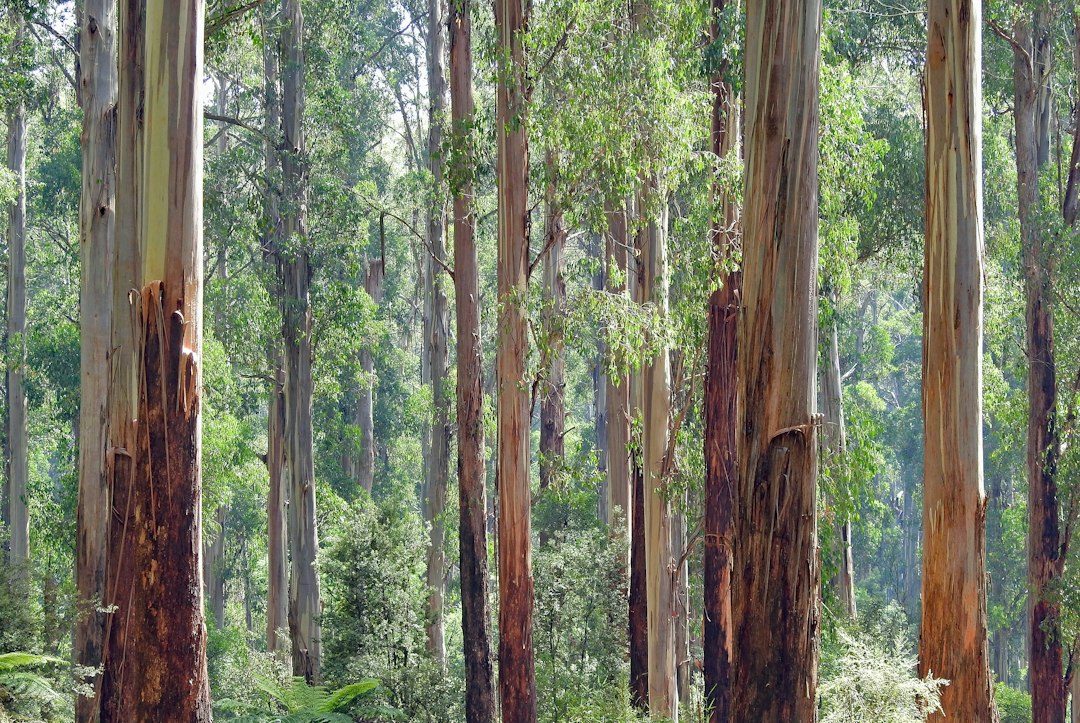
In the late 1980s, Victoria's government spent A$26 million to test alternatives to clearfelling in mountain ash forests. The experiment was largely forgotten. When researchers returned 30 years later, the heavily thinned plots had grown trees 20% larger in diameter than untouched areas — and stored as much or more carbon.

The results challenge the binary debate over whether forests should be protected entirely or harvested. They suggest carefully managed thinning can support timber production, wildlife habitat, and carbon storage at the same time — a finding with implications for forest policy in Australia and beyond.

Why it matters

If thinning matches untouched forests on carbon while producing bigger, fire-resistant trees, forest managers may not have to choose between timber and climate goals.

Questions about this story

Free account needed to ask — your question is kept and asked for you right after sign-up. Answers are public.

No questions yet — be the first to ask.

Key Indicators

30 years
Experiment duration
The Silvicultural Systems Project ran from 1987-1989 to 2026.
A$26 million
Initial investment
Victorian government investment in today's dollars to test alternatives to clearfelling.
20%
Larger tree diameter
Largest trees in thinned stands were 20% bigger in diameter than those in unharvested controls.
50-70%
Trees cut in heavy thinnings
Heavy thinning removed 50-70% of trees in treated plots.
Matched or exceeded
Carbon storage vs. controls
Thinned stands stored as much or more carbon than unharvested controls within 30 years.

Voices

Curated perspectives — historical figures and your fellow readers.

Ever wondered what historical figures would say about today's headlines?

Sign up to generate historical perspectives on this story.

People Involved

Organizations Involved

Timeline

1987-19 October 2026

3 events Latest: 2 days ago
  1. ScienceDaily reports the findings

    Latest Report

    The 30-year experiment results reach a wider audience, showing thinning can support timber, habitat, and carbon storage.

  2. Findings published in Forest Science

    Publication

    Researchers publish results showing thinned stands matched or exceeded unharvested controls on carbon storage.

  3. Silvicultural Systems Project established

    Experiment

    Victorian government launches A$26 million experiment at Tanjil Bren and Cabbage Tree Creek to test alternatives to clearfelling.

Scenarios

1

Australia adopts retention thinning in forest policy

Possible Resolves by End of 2027

Discussed by: The Conversation, University of Melbourne researchers

The findings could push state and federal forestry agencies to shift from clearfelling toward retention-based treatments. The results show thinning can match untouched forests on carbon while producing larger, more fire-resistant trees and habitat for species like Leadbeater's possum.

2

Carbon markets recognize thinning as a climate strategy

Possible Resolves by End of 2027

Discussed by: Wood Central, forest industry analysts

The finding that thinned stands match untouched forests on carbon could make thinning eligible for carbon credits. If Australia's carbon credit scheme recognizes retention thinning, it would create a financial incentive for the practice.

3

Findings remain academic, limited adoption

Possible Resolves by End of 2027

Discussed by: Conservation groups, forestry critics

The forestry debate in Australia is entrenched, with conservation groups opposing logging and industry defending it. Without political will, the findings may remain an academic curiosity with limited policy impact.

Historical Context

3 moments from history that rhyme with this story — and how they unfolded.

February 2009

Black Saturday bushfires (2009)

Victoria's worst bushfires killed 173 people and destroyed vast areas of mountain ash forest. The fires reignited the debate over logging and fire risk in these highly flammable forests.

Then

The fires devastated mountain ash forests and communities across Victoria.

Now

The debate over forest management and fire risk has continued, with logging and fire risk closely linked.

Why this matters now

The experiment's finding that thinning produces larger, more fire-resistant trees directly addresses the fire risk question that has dominated Victorian forest policy since 2009.

Ongoing since 1980s

Leadbeater's possum conservation crisis

The critically endangered Leadbeater's possum depends on hollow-bearing trees and Acacia understorey in mountain ash forests. Logging and fire have reduced its habitat.

Then

The species has been a central focus of logging debates in Victoria.

Now

Conservation efforts have struggled to balance habitat protection with timber production.

Why this matters now

The experiment found Leadbeater's possums in treated plots but none in unharvested controls, suggesting thinning can support habitat.

1990s

Pacific Northwest variable retention shift (1990s)

After the spotted owl controversy, the US Forest Service and others moved from clearfelling toward variable retention harvesting in Pacific Northwest forests, formalized in the 1994 Northwest Forest Plan.

Then

The shift reduced clearfelling and changed how federal forests were managed.

Now

Retention forestry became a standard approach in many regions.

Why this matters now

Shows how long-term experiments and ecological concerns can shift forestry practice away from clearfelling.

Sources

(6)