
Pull to refresh
Logo
Ancient DNA ties Maya cave teeth to faraway elite tombs

Ancient DNA ties Maya cave teeth to faraway elite tombs

New Capabilities

A stash of 226 teeth deposited in a Belize cave belonged to elite Maya buried 26 kilometers away

Yesterday: DNA links cave teeth to elite tombs

Overview

Updated Yesterday

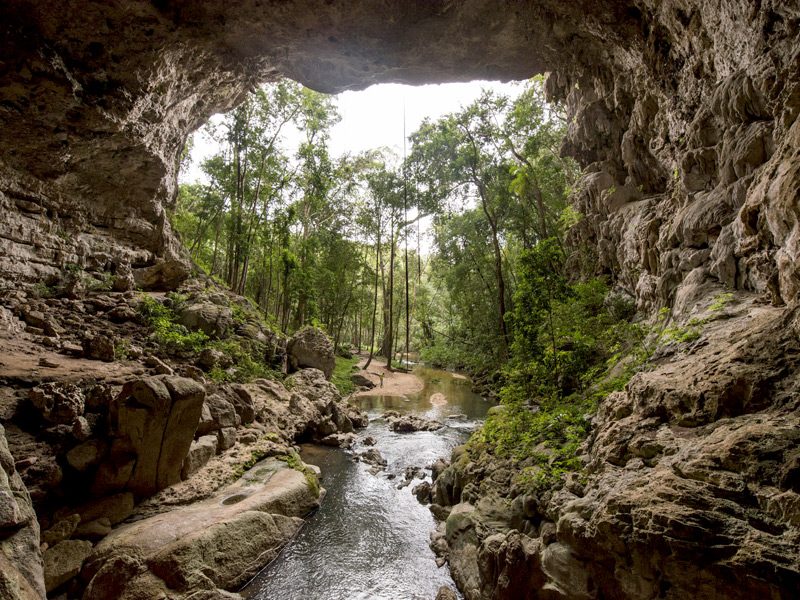
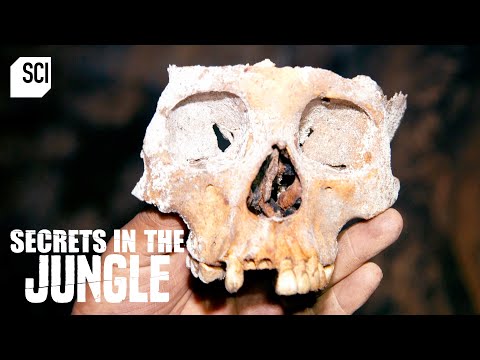
A Maya woman buried in a Belize cave between 250 and 400 CE had 226 human teeth scattered around her pelvis and spine. Ancient DNA analysis reported October 23 traced those teeth to at least 30 people, 24 of them also buried in elite tombs at a settlement more than 26 kilometers away.

The finding shows Maya elites could be buried in two places: bodies in family tombs, teeth in a sacred cave seen as an entrance to the underworld. It also offers genetic evidence that elite lineages passed down through men, with women marrying into the family lines.

Why it matters

Ancient DNA is revealing how Maya power worked: who counted as family, who inherited rule, and how ancestors were honored.

Questions about this story

Free account needed to ask — your question is kept and asked for you right after sign-up. Answers are public.

No questions yet — be the first to ask.

Key Indicators

226+
Human teeth found in Bats'ub Cave
The teeth were scattered near the pelvis and upper spine of a woman buried between 250 and 400 CE.
30
Individuals identified from the teeth's DNA
Ancient DNA sequencing linked the teeth to at least 30 distinct people across three genetic lineages.
24
Teeth owners also buried in elite tombs
The same people had remains interred at Muklebal Tzul, more than a day's travel from the cave.
26.5 km
Distance from cave to elite tombs
The journey crossed rugged limestone hills and deep sinkholes in the Maya Mountains.

Voices

Curated perspectives — historical figures and your fellow readers.

Ever wondered what historical figures would say about today's headlines?

Sign up to generate historical perspectives on this story.

People Involved

Organizations Involved

Timeline

October 2026 250

2 events Latest: Yesterday
  1. Maya woman buried in Bats'ub Cave

    Upcoming Ritual burial

    Between 250 and 400 CE, a Maya woman was interred with underworld offerings; her head was replaced with a vessel holding a jade bead.

  2. DNA links cave teeth to elite tombs

    Latest Scientific finding

    Researchers reported that 226 teeth from at least 30 people were deposited in the cave over roughly 200 years; 24 owners were also buried in elite tombs more than 26 kilometers away.

Scenarios

1

Peer-reviewed study confirms dual-burial findings

Likely Resolves by End of 2027

Discussed by: Science and New Scientist, reporting the team's Society for American Archaeology presentation

The findings currently exist as a preprint and conference presentation. If the manuscript passes peer review at a journal such as Nature, PNAS, or Science Advances, the kinship links between the cave teeth and the Muklebal Tzul tombs become formally established. The research team declined to discuss the work before it is peer reviewed.

2

Researchers determine whether teeth were removed before or after death

Uncertain Resolves by Q2 2028

Discussed by: Asta Rand of Nicolaus Copernicus University, quoted by New Scientist

The team has not stated whether the teeth were extracted during life or collected after death. Analysis of tooth wear, healed extraction sockets, or root resorption could settle the question. Ancient Maya elites performed bloodletting and autosacrifice rituals, so intentional extraction during life remains possible.

3

Similar tooth caches found at other Maya cave sites

Possible Resolves by End of 2028

Discussed by: Field archaeologists responding to the announcement

The discovery may prompt surveys of other caves near elite Maya centers. Researchers noted there are many caves closer to Muklebal Tzul, yet elites chose the distant Bats'ub Cave, suggesting it held particular religious and political significance. Comparable deposits at other sites would show the practice was widespread.

Historical Context

3 moments from history that rhyme with this story — and how they unfolded.

Classic to Postclassic period

Sacred Cenote at Chichén Itzá (ritual deposits)

Maya elites made multi-day pilgrimages to the Sacred Cenote at Chichén Itzá, dropping gold, jade, and human remains into the sinkhole as offerings. Archaeologist Mirko De Tomassi draws a direct comparison between those pilgrimage journeys and the trek to Bats'ub Cave.

Then

The cenote accumulated centuries of deposited offerings, including the bones of children and adults killed in Maya rituals.

Now

The site became one of the most important pilgrimage destinations in the Maya world, reflecting the power of long-distance ritual journeys.

Why this matters now

Shows the Maya moved objects and remains over long distances to sacred sites, a pattern the Bats'ub Cave teeth deposit extends.

Early 7th to mid-12th century

Chichén Itzá child sacrifice DNA study (2024)

Ancient DNA from more than 100 boys sacrificed and buried in a pit at Chichén Itzá revealed all were male, a quarter closely related, including two sets of twins. The pattern tied the sacrifices to the Maya hero twin creation story.

Then

The study overturned earlier assumptions that the sacrificed individuals were girls and linked the ritual to specific Maya mythology.

Now

Established ancient DNA as a tool for decoding Maya ritual practices and kinship structures.

Why this matters now

A prior example of aDNA cracking a Maya ritual practice; the Bats'ub Cave study extends this approach to elite ancestor veneration.

Classic period, 250-900 CE

Maya tomb reentry and secondary burial practice

The ancient Maya routinely re-entered tombs and burial sites long after an initial death to add, remove, or rearrange human remains. Keith Prufer described treating bones as still part of the family.

Then

Remains were moved between locations and recombined with new burials as part of ongoing ancestor veneration.

Now

Burial location and treatment reflected an individual's status and family ties, not just a single funeral event.

Why this matters now

Contextualizes the Bats'ub Cave teeth as an extension of established Maya practices of handling ancestor remains after death.

Sources

(4)