

Pull to refresh
Logo
Toad-venom nasal spray eases treatment-resistant depression for weeks in trial

Toad-venom nasal spray eases treatment-resistant depression for weeks in trial

New Capabilities

Phase 2b results show single-dose mebufotenin cut depression scores; 8mg dose heads to phase 3

Today: JAMA publishes BPL-003 phase 2b trial results

Overview

Updated 2 hours ago

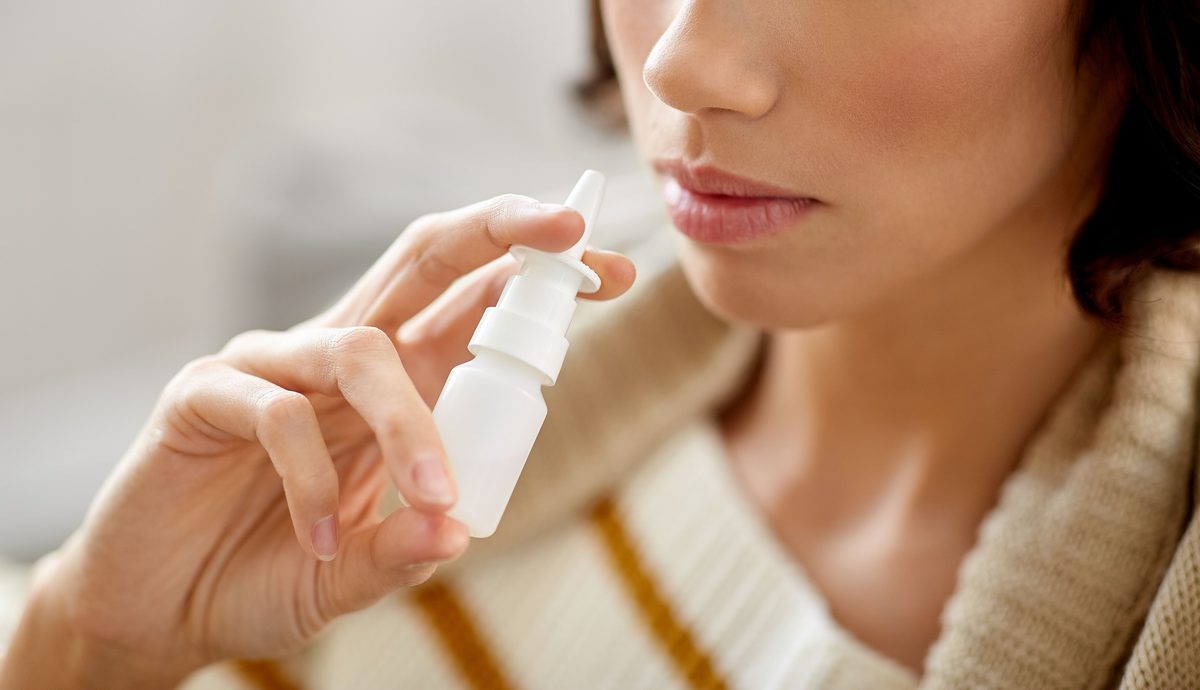
A single dose of mebufotenin benzoate nasal spray reduced depression scores for at least eight weeks in a 193-patient trial published in the Journal of the American Medical Association. The psychedelic chemical, found in Sonoran Desert toad venom, cut scores on the Montgomery-Åsberg Depression Rating Scale (MADRS) by 11.1 points at day 29 with a 12-milligram dose, versus 5.8 points for a 0.3-milligram comparator.

Participants had already failed two to five antidepressants in their current depressive episode. Benefits appeared within two days, and most patients were cleared for discharge about two hours after dosing because the psychedelic effects peak within 15 minutes and fade in roughly an hour.

Experts disagree on the size of the benefit. Psychiatrist Chittaranjan Andrade says patients improved only about 30 percent on average, with response and remission rates below those seen with ketamine or electroconvulsive therapy. The 8-milligram dose will advance to phase 3, and the Food and Drug Administration has granted the drug Breakthrough Therapy designation for treatment-resistant depression.

Why it matters

If BPL-003 clears phase 3, patients failed by two or more antidepressants could get weeks of relief from one supervised dose.

Questions about this story

Free account needed to ask — your question is kept and asked for you right after sign-up. Answers are public.

No questions yet — be the first to ask.

Key Indicators

193
Patients in phase 2b trial
Adults with treatment-resistant depression who had failed two to five prior antidepressants.
5.3 points
Depression-score advantage of 12mg dose at day 29
MADRS change difference versus the 0.3mg comparator; statistically significant.
8 weeks
Benefit duration after one dose
Depression improvement persisted at least eight weeks after a single administration.
8mg
Dose advancing to phase 3
Selected for the best balance of efficacy and safety among the three tested strengths.

Voices

Curated perspectives — historical figures and your fellow readers.

Ever wondered what historical figures would say about today's headlines?

Sign up to generate historical perspectives on this story.

People Involved

Organizations Involved

Timeline

2026 October 2026

2 events Latest: Today
  1. JAMA publishes BPL-003 phase 2b trial results

    Today Study publication

    193 adults with treatment-resistant depression; the 12mg dose cut MADRS scores 11.1 points by day 29 versus 5.8 for the 0.3mg comparator.

  2. FDA grants BPL-003 Breakthrough Therapy designation

    Regulatory

    Designation for treatment-resistant depression expedites development and review based on phase 2a and 2b data.

Scenarios

1

Phase 3 trial of BPL-003 launches at 8mg dose

Likely Resolves by Q3 2027

Discussed by: ScienceAlert and the trial's published conclusion, which stated the 8mg dose offered the best safety-to-efficacy balance

The 8mg dose showed the largest numerical improvement on the MADRS with a similar safety profile to 12mg. A larger registration trial would compare the drug against standard care and track outcomes over months. Registration on ClinicalTrials.gov would confirm the launch.

2

FDA requires additional trials before BPL-003 approval

Possible Resolves by End of 2029

Discussed by: Psychiatrist Chittaranjan Andrade; the 2024 FDA rejection of MDMA-assisted therapy sets precedent

The FDA could ask for longer follow-up, data in suicidal patients, or a head-to-head comparison against an active comparator like esketamine. A complete response letter or clinical hold would push any approval years out and force another trial.

3

FDA approves BPL-003 for treatment-resistant depression

Possible Resolves by End of 2029

Discussed by: Phase 2b authors; the FDA's Breakthrough Therapy designation signals willingness to expedite review

If phase 3 confirms the phase 2b effect size and the safety profile holds, the FDA could approve BPL-003 with a supervised-administration program similar to esketamine's restricted-use rules. Approval would likely require in-clinic dosing and post-dose monitoring rather than home use.

Historical Context

3 moments from history that rhyme with this story — and how they unfolded.

March 2019

FDA approves esketamine (Spravato) for depression (2019)

The FDA approved Johnson & Johnson's esketamine nasal spray for treatment-resistant depression, the first antidepressant with a fundamentally new mechanism in decades. Patients receive supervised in-clinic doses and must be monitored after each session.

Then

Esketamine became the standard comparison for rapid-acting antidepressants and a commercial success for Johnson & Johnson.

Now

It established the supervised single-agent model for depression drugs and set the effect-size benchmark newer psychedelics are measured against.

Why this matters now

BPL-003 is an intranasal, supervised, rapid-acting candidate for the same patient population, and its results are being compared directly against Spravato.

November 2022

COMPASS Pathways' psilocybin phase 2b (2022)

COMPASS published a 233-patient phase 2b trial in the New England Journal of Medicine showing a single 25-milligram psilocybin dose beat placebo in treatment-resistant depression, with benefit persisting at three weeks. Independent commentators called the effect size modest.

Then

COMPASS advanced to phase 3 despite the debate over effect size.

Now

The trial became the template for one-dose psychedelic depression studies, including BPL-003's design.

Why this matters now

BPL-003 follows the same one-dose, psychedelic, monitored-session design and faces the same argument about whether benefit justifies the practical burden.

August 2024

FDA rejects MDMA-assisted therapy for PTSD (2024)

The FDA rejected Lykos Therapeutics' application for MDMA-assisted PTSD therapy after an advisory committee voted heavily against it, citing trial design flaws and safety concerns. The agency ordered another trial.

Then

Lykos lost its approval bid and investor confidence in psychedelic drug stocks cooled.

Now

The decision demonstrated that the FDA will reject psychedelic applications despite positive phase 3 results.

Why this matters now

It is the cautionary case for BPL-003: positive phase 2b data do not guarantee approval, and trial design and safety will face the same scrutiny.

Sources

(8)