
Pull to refresh
Logo
Geothermal amoeba sets new upper temperature limit for eukaryotes

Geothermal amoeba sets new upper temperature limit for eukaryotes

New Capabilities

Incendiamoeba cascadensis divides at 63°C, breaking the 60°C record held by algae and fungi

Today: Study formally published in Cell

Overview

Updated 1 hour ago

A single-celled organism found in a California hot spring can eat and reproduce at 63°C (145°F), a temperature that kills every other known complex life form. The amoeba, named Incendiamoeba cascadensis, breaks the 60°C record that had stood for decades.

The discovery, published September 22 in Cell, pushes the known boundary of eukaryotic life and suggests the true upper limit for complex cells may be higher still. It also offers a new source of heat-stable proteins for biotechnology.

Why it matters

Complex life can survive hotter than scientists thought possible, widening the habitable range for eukaryotes and the search for life beyond Earth.

Questions about this story

Free account needed to ask — your question is kept and asked for you right after sign-up. Answers are public.

No questions yet — be the first to ask.

Key Indicators

63°C
Maximum replication temperature
Incendiamoeba cascadensis divides at 63°C, the highest temperature ever recorded for a eukaryote.
60°C
Previous eukaryote record
The old record was held by thermophilic fungi and red algae.
70°C
Survival temperature in cyst form
The amoeba forms protective cysts to survive heat up to 70°C, though it cannot feed or reproduce there.
14
Sampling sites yielding the amoeba
Isolated from 14 of 20 geothermal sampling locations over three years.

Voices

Curated perspectives — historical figures and your fellow readers.

Ever wondered what historical figures would say about today's headlines?

Sign up to generate historical perspectives on this story.

People Involved

Organizations Involved

Timeline

2023 September 2026

4 events Latest: Today
Tap a bar to jump to that date
  1. Study formally published in Cell

    Today Publication

    Study formally published in the journal Cell.

  2. Study published online in Cell

    Publication

    Study published online in Cell, establishing new upper temperature limit for eukaryotes.

  3. Amoebae recovered directly at 63°C

    Discovery

    Amoebae recovered directly at 63°C, maintained in incubator for months.

  4. Amoeba strain NS2 isolated

    Discovery

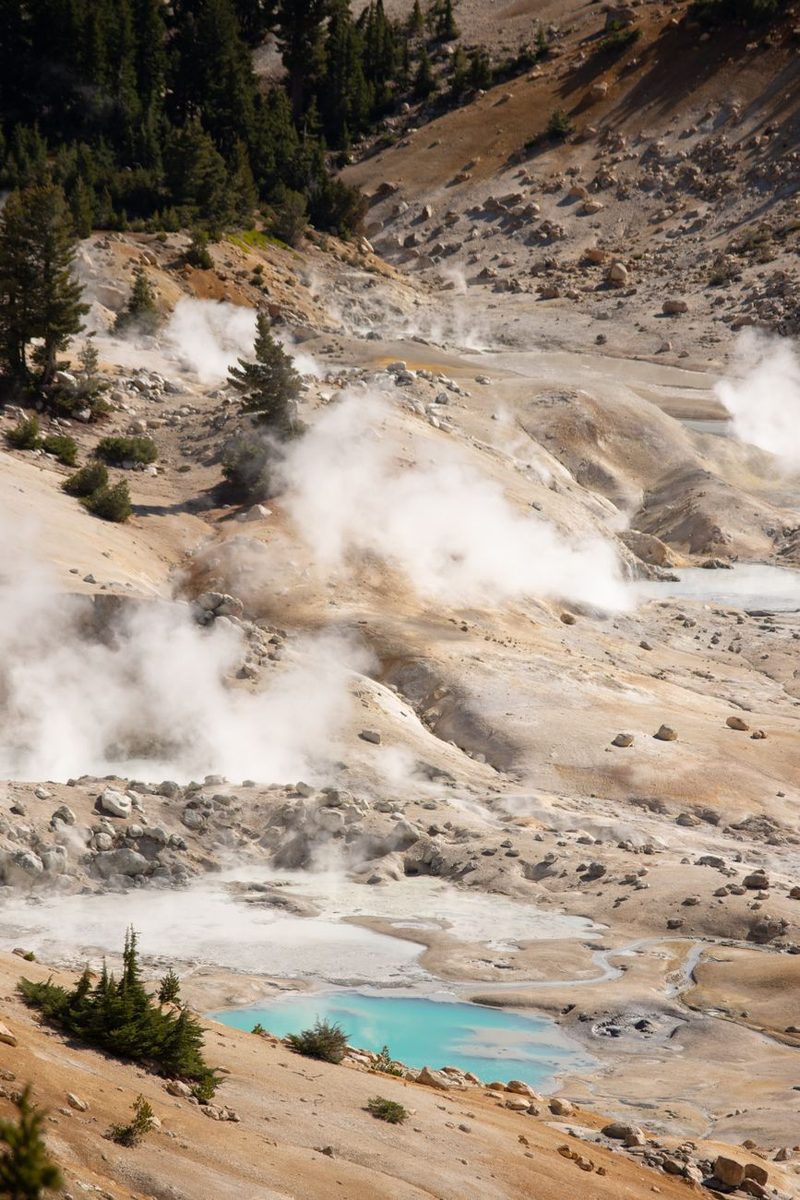
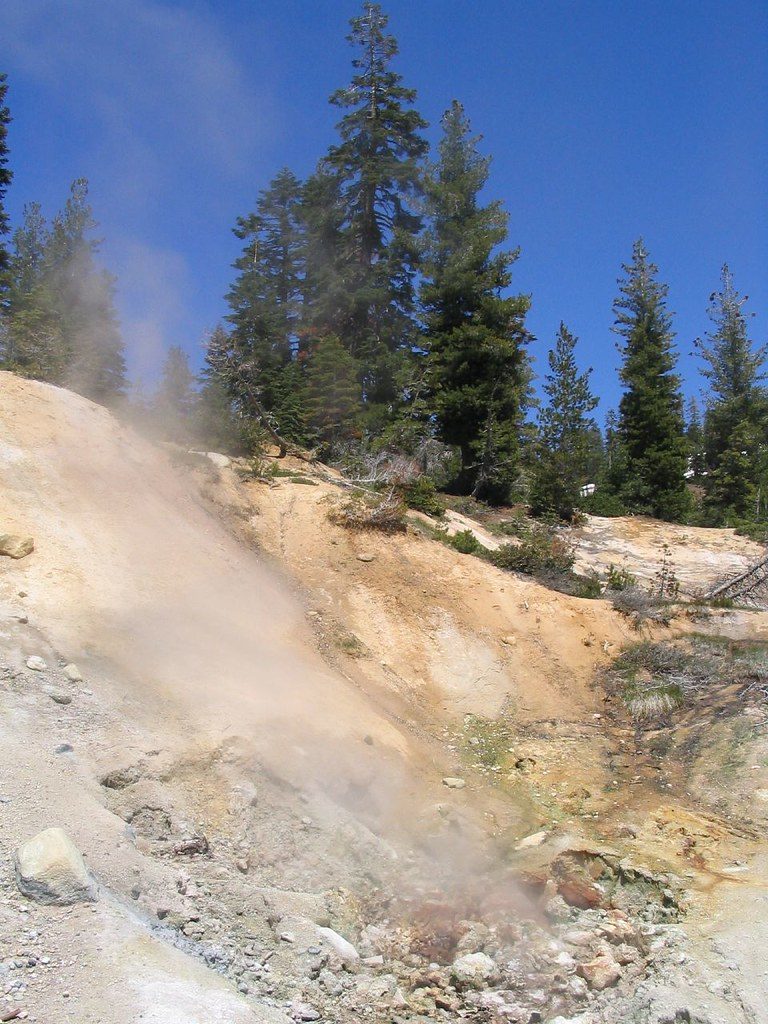
    Amoeba isolated from Hot Springs Creek tributary in Lassen Volcanic National Park.

Scenarios

1

More heat-tolerant eukaryotes discovered above 63°C

Likely Resolves by End of 2028

Discussed by: Angela Oliverio (Syracuse University), Science News

The researchers note that 63°C is likely not the hard limit for eukaryotic life. Their biogeographic analysis suggests additional thermophilic species within this clade await discovery. A follow-up survey of geothermal features could find eukaryotes replicating at even higher temperatures.

2

Thermostable proteins from I. cascadensis reach biotech development

Possible Resolves by End of 2029

Discussed by: The study authors, Cell paper

The paper describes I. cascadensis as 'an untapped source of thermostable proteins with promising biotechnological applications.' Its predicted proteins have distinct biophysical properties, including enrichment of positively charged surface residues similar to hyperthermophilic bacteria and archaea. A company or lab could patent or commercialize these proteins for industrial use.

3

Predicted thermotolerance mechanisms experimentally confirmed

Likely Resolves by End of 2028

Discussed by: The study authors, Cell paper limitations section

The paper notes that protein melting temperatures and structures are 'only predictions and require experimental validation.' A follow-up study could measure the actual melting temperatures of I. cascadensis proteins and test the predicted mechanisms of proteostasis, DNA repair, and membrane trafficking under heat stress.

Historical Context

3 moments from history that rhyme with this story — and how they unfolded.

1969

Thomas Brock discovers Thermus aquaticus in Yellowstone (1969)

Microbiologist Thomas Brock isolated a bacterium from a Yellowstone hot spring that could grow at 70°C, far above what was then thought possible for life. The species, Thermus aquaticus, became the source of Taq polymerase, the heat-stable enzyme that made the polymerase chain reaction (PCR) possible.

Then

The discovery expanded the known temperature range of life and opened the field of thermophile research.

Now

Taq polymerase from T. aquaticus became a cornerstone of molecular biology, enabling PCR and earning a Nobel Prize for Kary Mullis in 1993.

Why this matters now

Like Brock's discovery, I. cascadensis expands the known limits of life and offers thermostable proteins with potential biotech applications.

1997

Pyrolobus fumarii sets prokaryote heat record (1997)

Researchers discovered Pyrolobus fumarii, an archaeon living in hydrothermal vents that grows at 113°C, the highest temperature then known for any organism. It survives autoclaving at 121°C for short periods.

Then

The discovery showed that prokaryotes can thrive at temperatures far above the boiling point of water.

Now

It established that the temperature limits of life are far higher than previously assumed, though eukaryotes lagged far behind.

Why this matters now

The gap between prokaryote and eukaryote temperature limits (113°C vs. 60°C) was a long-standing puzzle. I. cascadensis narrows that gap.

1990s-2026

The 60°C barrier for eukaryotes (decades-long record)

For decades, no eukaryote was shown to replicate above 60°C. The record was held by thermophilic fungi and red algae, and 60°C was considered the '4-minute mile' barrier for complex life.

Then

The barrier shaped scientific assumptions about where complex life could survive.

Now

I. cascadensis broke the barrier at 63°C, showing that eukaryotes can occupy thermal niches previously thought to be exclusive to bacteria and archaea.

Why this matters now

The 60°C record was the benchmark that I. cascadensis broke, making this discovery a direct challenge to a long-held assumption.

Sources

(6)