
Pull to refresh
Logo
Small 'titanide' cells identified as dominant Cryptococcus lung form

Small 'titanide' cells identified as dominant Cryptococcus lung form

New Capabilities

The 2-4 µm cells outnumber giant titan cells in host-relevant conditions and resist antifungal stress

Yesterday: Titanides characterized as distinct pathogenic morphotype

Overview

Updated Yesterday

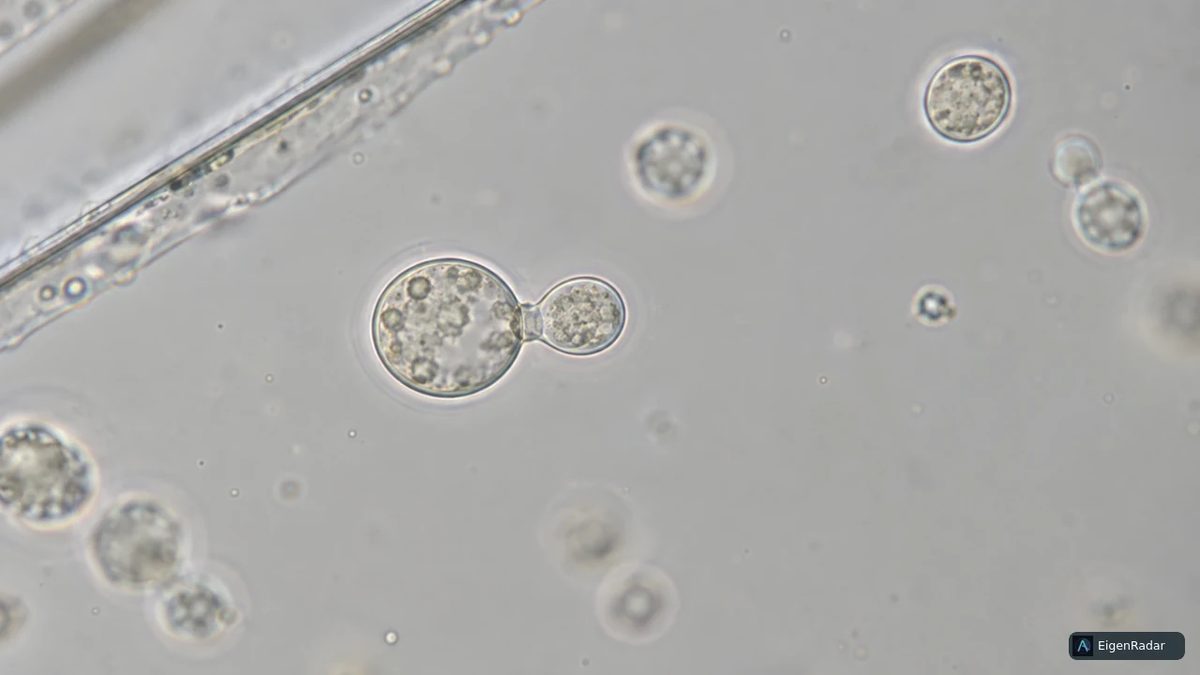
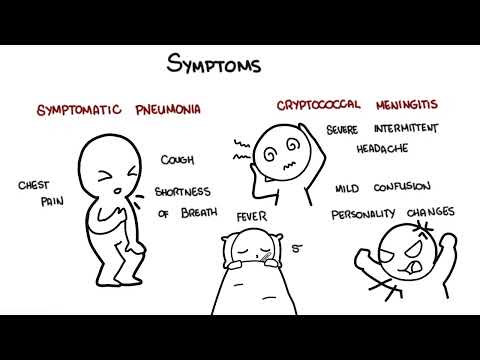
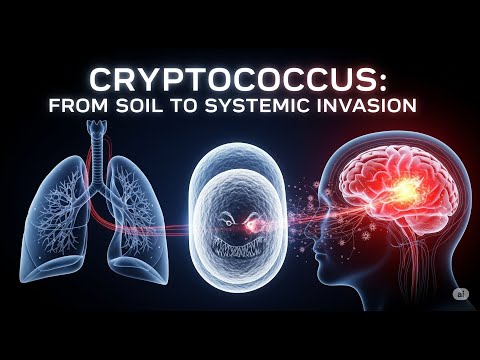
Cryptococcus neoformans kills roughly 180,000 people a year, most of them AIDS patients in sub-Saharan Africa. For a decade, the fungus's signature virulence trick was thought to be giant 'titan cells' — polyploid cells up to 100 µm across that resist immune attack. A new PLOS Biology paper shows the small end of the size spectrum may matter just as much.

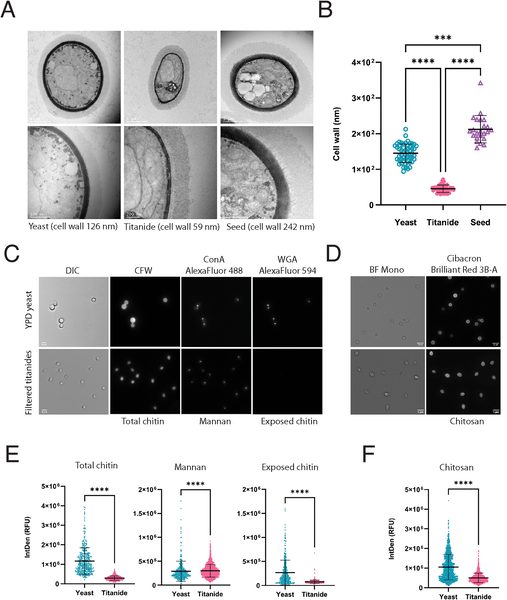
The paper characterizes 'titanides,' 2-4 µm oval cells that appear within 24 hours of host-relevant conditions and become the dominant morphotype by 72 hours. Despite thin cell walls, they resist cell wall and membrane stressors and infect mice efficiently. The authors argue titanides are a distinct pathogenic form, separate from previously described seed cells and micro cells.

Why it matters

If titanides dominate lung infection, antifungal drugs and vaccines may need to target a cell type that was previously invisible to researchers.

Questions about this story

Free account needed to ask — your question is kept and asked for you right after sign-up. Answers are public.

No questions yet — be the first to ask.

Key Indicators

4-10%
Titanide share of cells at 24 hours post-induction
Titanides appear within a day of host-relevant conditions and grow to dominate by 72 hours.
2-4 µm
Titanide cell size
Small oval cells, distinct from typical 5-7 µm yeast and >10 µm titan cells.
72 h
Time to titanide dominance
By 72 hours post-induction, titanides are the dominant morphotype in culture.

Voices

Curated perspectives — historical figures and your fellow readers.

Ever wondered what historical figures would say about today's headlines?

Sign up to generate historical perspectives on this story.

People Involved

Organizations Involved

Timeline

2015 October 2026

4 events Latest: Yesterday
Tap a bar to jump to that date
  1. Titanides characterized as distinct pathogenic morphotype

    Latest Research

    PLOS Biology paper defines titanides as 2-4 µm oval cells that dominate lung infection and resist antifungal stress.

  2. Reactive nitrogen species shown to trigger yeast-to-titan switch

    Research

    bioRxiv preprint demonstrates host immune signals drive titanization via endogenous superoxide accumulation.

  3. In vitro titan cell model developed

    Research

    Researchers create a standardized assay for yeast-to-titan transition, enabling genetic and environmental studies.

  4. Polyploid titan cells shown to produce haploid and aneuploid progeny

    Research

    mBio study shows titan cells generate stress-adapted progeny, establishing titanization as a virulence mechanism.

Scenarios

1

Titanides confirmed as key to brain invasion

Possible Resolves by Oct 12, 2027

Discussed by: The paper's authors, who note titanides are effective infectious propagules in murine models

Follow-up studies test whether titanides cross the blood-brain barrier more efficiently than typical yeast cells. If confirmed, titanides would become a primary target for drugs aimed at preventing cryptococcal meningitis, the deadliest manifestation of infection.

2

Titanide formation becomes antifungal drug target

Possible Resolves by Oct 12, 2028

Discussed by: The paper's finding that titanides resist cell wall and membrane stressors

Researchers screen for compounds that block the yeast-to-titanide transition. A successful hit would reduce fungal burden and drug tolerance in animal models, opening a new class of antifungal therapies that target morphogenesis rather than growth.

3

Titanide classification challenged as continuum artifact

Possible Resolves by Oct 12, 2027

Discussed by: The field's history of overlapping small-cell descriptions (seed cells, micro cells, ovoid cells)

Other groups argue titanides are part of a morphological continuum rather than a discrete cell type, citing the PLOS Pathogens ovoid cell study that described a similar small morphotype with different properties. A nomenclature debate could slow clinical translation.

Historical Context

3 moments from history that rhyme with this story — and how they unfolded.

2010-2018

Titan cell discovery (2010-2018)

Researchers found that Cryptococcus neoformans produces giant polyploid cells (>10 µm, up to 100 µm) in the lung. These titan cells resist phagocytosis, survive oxidative stress, and produce haploid or aneuploid progeny that adapt to host conditions.

Then

Titan cells were established as a major virulence factor, and in vitro models were developed to study the yeast-to-titan transition.

Now

The titan cell paradigm shaped a decade of research on cryptococcal morphogenesis and host-pathogen interaction.

Why this matters now

The titanide discovery extends the same morphogenesis framework to the small end of the size spectrum, showing that both extremes of cell size drive virulence.

1990s-2000s

Candida albicans yeast-to-hyphae switch (1990s-2000s)

Candida albicans, the most common human fungal pathogen, switches between yeast and hyphal forms. Researchers showed this morphogenesis is required for tissue invasion and virulence, making it a central target for antifungal drug development.

Then

Morphogenesis became a recognized virulence determinant in medical mycology.

Now

The yeast-to-hyphae switch remains a model for how fungal cell shape drives disease outcome.

Why this matters now

The titanide work applies the same logic — cell shape and size determine virulence — to Cryptococcus, a pathogen that was thought to lack morphogenetic complexity.

2010s

Cryptococcus seed cell discovery (2010s)

Researchers identified 'seed cells,' 4-6 µm cells with high cell-wall mannan content that are thought to seed central nervous system infection. These small cells were the first evidence that Cryptococcus uses small morphotypes for dissemination.

Then

Seed cells were proposed as the infectious propagules that cross the blood-brain barrier.

Now

The seed cell concept opened the door to studying small-cell morphotypes as virulence determinants.

Why this matters now

Titanides are now distinguished from seed cells by their thinner cell walls and reduced pathogen-associated molecular pattern exposure, refining the map of small-cell types.

Sources

(8)