

Pull to refresh
Logo
Magma can store excess oxygen at high pressure, study finds

Magma can store excess oxygen at high pressure, study finds

New Capabilities

Experiments suggest rising magma could release oxygen and may link ancient volcanism to atmospheric change.

Overview

Updated 1 hour ago

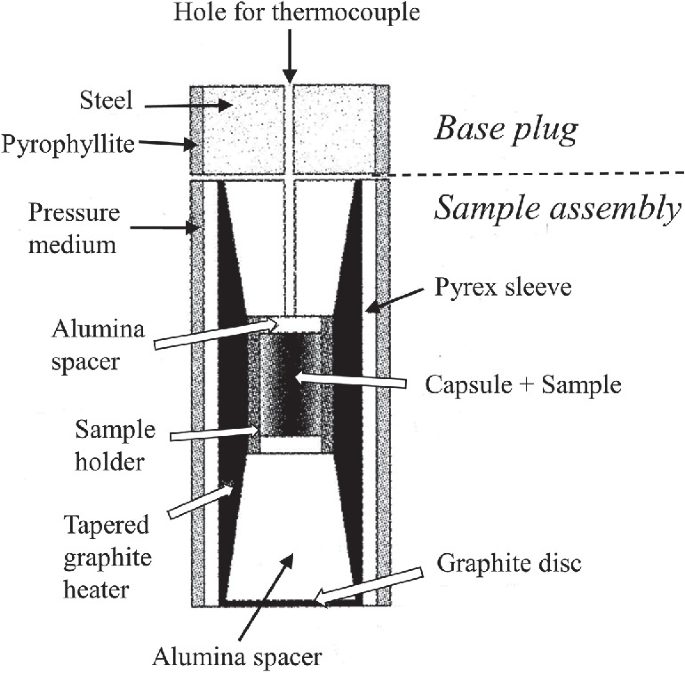
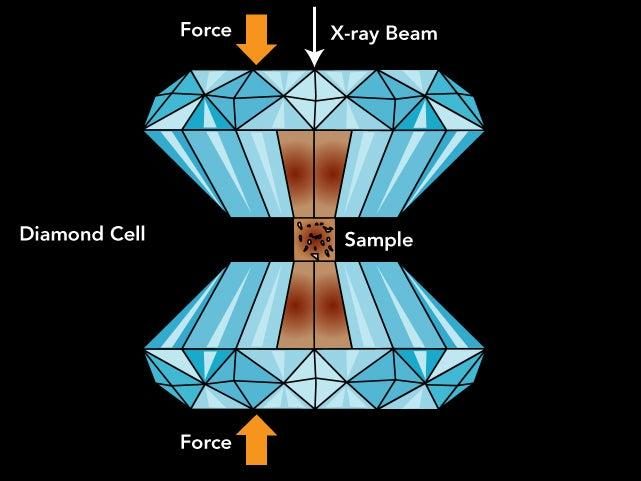
At pressures found about 200 kilometers below Earth's surface, laboratory magma held more than 5 percent extra oxygen by weight. Control experiments without an added oxygen source held only 0.2 to 0.5 percent.

The study proposes that oxygen-rich magma loses some of that oxygen as it rises and decompresses. That could oxidize shallow rocks and may help explain the overlap between ancient large volcanic eruptions and rises in atmospheric oxygen.

Why it matters

If the mechanism works at scale, volcanic activity could have helped oxygenate Earth's surface and may do so on other rocky planets.

Questions about this story

Free account needed to ask — your question is kept and asked for you right after sign-up. Answers are public.

No questions yet — be the first to ask.

Key Indicators

5.2 wt.%
Excess oxygen in magma at 7 GPa
Measured in quenched glass, more than five times the maximum from solid-mantle iron redox changes.
0.2–0.5 wt.%
Excess oxygen in control experiments
Runs without an added oxygen source held far less, confirming the high-pressure storage effect.
0.27 wt.%
LIP magma oxygen release needed to match atmosphere
A first-order calculation, not evidence that volcanism supplied all atmospheric oxygen.
~200 km
Depth where magma held more than 5 wt.% excess oxygen
Pressure at that depth is about 7 GPa in the experiments.

Voices

Curated perspectives — historical figures and your fellow readers.

Sign up to generate historical perspectives on this story.

Organizations Involved

Timeline

August 2026 October 2026

2 events Latest: 4 days ago
  1. ScienceDaily reports magma oxygen reservoir

    Latest Publication

    ScienceDaily summarizes the study for a general audience.

  2. Study published in National Science Review

    Research

    High-pressure experiments and simulations show silicate magma can hold excess oxygen.

Scenarios

1

Independent Lab Confirms Magma Stores Excess Oxygen

Possible Resolves by End of 2027

Discussed by: The National Science Review paper calls for future in situ investigations.

A separate research group repeats the high-pressure experiments with its own apparatus. If it finds similarly large excess oxygen loads, the storage effect gains independent support and the atmospheric link becomes more plausible.

2

In Situ Test Tracks Oxygen Release During Ascent

Possible Resolves by Q2 2027

Discussed by: The National Science Review paper says future in situ work is needed.

Researchers measure oxygen loss while magma decompresses from deep pressure to the surface. A clear release would turn the proposed mechanism from an inference based on quenched samples into a direct observation.

3

Modeling Rules Out Volcanic Oxygen Role

Unlikely Resolves by End of 2028

Discussed by: The National Science Review paper presents its atmospheric calculation as a first-order scaling exercise.

A modeling study finds that ancient large igneous province magmas released too little oxygen to affect the atmosphere. That would weaken the proposed link between deep magmatism and the Great Oxidation Event.

Historical Context

2 moments from history that rhyme with this story — and how they unfolded.

2.5–2.0 billion years ago

Great Oxidation Event (2.5–2.0 billion years ago)

Atmospheric oxygen rose in steps between roughly 2.5 billion and 2.0 billion years ago. The increase transformed Earth's surface chemistry and set the stage for complex life.

Then

Oxygen levels rose unevenly, with sharp increases and possible setbacks.

Now

The atmosphere eventually settled at oxygen levels that supported animals and complex ecosystems.

Why this matters now

The new study proposes a physical mechanism that could help explain why some oxygen increases overlap with ancient large volcanic eruptions.

2.5–2.0 billion years ago

Large igneous province eruptions (2.5–2.0 billion years ago)

At least 7.2 million cubic kilometers of large igneous province magma formed in this interval, according to the study's cited estimate. These eruptions covered vast areas with basalt.

Then

The eruptions released gases and altered the chemistry of surrounding rocks.

Now

Large igneous provinces are linked to several ancient environmental changes, though the causes remain debated.

Why this matters now

The researchers calculate that releasing excess oxygen equal to 0.27 percent of that magma's weight could match all oxygen in today's atmosphere.

Sources

(3)