


Pull to refresh
Logo
Algae inside a marine worm move on the host's actin

Algae inside a marine worm move on the host's actin

New Capabilities

A Cell study finds dinoflagellate symbionts travel hundreds of micrometers through thin host-cell tubes at about 1 micrometer per second.

Overview

Updated 1 hour ago

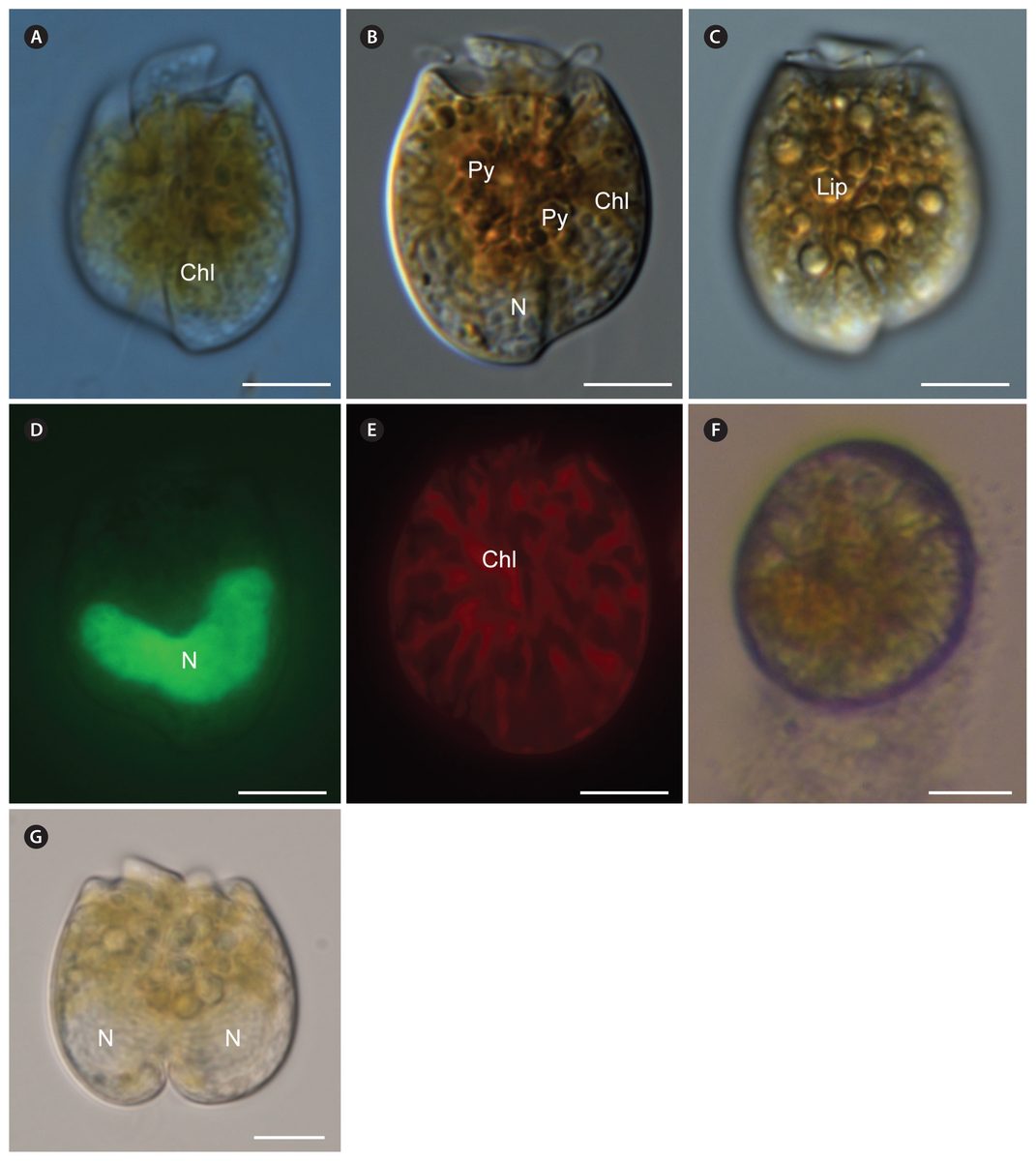
A single-celled alga can move hundreds of micrometers through the body of a marine worm, even while squeezed inside host-cell tubes about 200 nanometers wide. The alga, Amphidinium, still has its flagella. But when researchers tracked it inside live Waminoa worms, they found the host's actin machinery was doing the moving.

The result challenges a common assumption about symbiosis: that microbes which lose their swimming appendages settle into a fixed niche. Here the symbionts keep their flagella and still get ferried around by the host, at roughly 1 micrometer per second. The finding gives biologists a new process to look for in other animal-microbe relationships.

Why it matters

Animals may actively reposition their microbial partners, a process biologists had not seen at this scale.

Questions about this story

Free account needed to ask — your question is kept and asked for you right after sign-up. Answers are public.

No questions yet — be the first to ask.

Key Indicators

1 µm/s
Symbiont speed
Dinoflagellates move at about 1 micrometer per second inside host tissue.
700 µm
Longest tracked run
One symbiont traveled 700 micrometers in six minutes.
200 nm
Host-cell tube width
The thinnest host-cell processes are 35 to 200 nanometers wide.
10–20 µm
Symbiont diameter
Amphidinium symbionts are 10 to 20 micrometers across.

Voices

Curated perspectives — historical figures and your fellow readers.

Sign up to generate historical perspectives on this story.

People Involved

Organizations Involved

Timeline

June 2025 November 2026

3 events Latest: Today
  1. Study reaches ScienceDirect's Cell feed

    Today Publication

    The article is distributed through ScienceDirect's RSS feed for Cell.

  2. Cell publishes the study

    Publication

    The paper reports symbionts moving at about 1 micrometer per second inside Waminoa worms.

  3. Preprint posted to bioRxiv

    Preprint

    The study appears as a preprint, describing host actin-driven symbiont mobility.

Scenarios

1

Other animal-algal symbioses show host-driven transport

Likely Resolves by End of 2028

Discussed by: The Cell authors and follow-up commentary

The paper's mechanism may not be unique to Waminoa. Researchers will look for actin-driven movement of symbionts in corals, sea anemones and other hosts.

2

Coral bleaching linked to transport failure

Possible Resolves by End of 2029

Discussed by: Marine symbiosis researchers

If hosts use actin to position symbionts, then heat stress might disrupt transport before it disrupts photosynthesis. A coral study would need to show symbiont movement failing before bleaching.

3

Synthetic systems borrow the mechanism

Unlikely Resolves by End of 2030

Discussed by: Synthetic biologists and cell engineers

Engineers could use actin polymerization to move cargo through narrow cell-like channels. The worm system offers a natural proof of concept.

Historical Context

2 moments from history that rhyme with this story — and how they unfolded.

1989

Listeria actin comet tails (1989)

Listeria monocytogenes was found to hijack host actin, building comet tails that push the bacterium through infected cells.

Then

The discovery explained how a pathogen spreads without flagella.

Now

It became a model for actin-based motility and a target for virulence research.

Why this matters now

The Waminoa symbionts may use a similar pushing mechanism, but inside a host-cell tube and without losing their flagella.

Before 2026

Acoel symbiont flagella loss (pre-2026)

In two acoel worm species, Tetraselmis symbionts were reported to lose all four flagella after establishing symbiosis.

Then

Biologists treated flagella loss as a sign of domestication.

Now

The new study finds Amphidinium keeps both flagella, complicating that rule.

Why this matters now

It shows the Waminoa system breaks a pattern that shaped how scientists thought about symbiont mobility.

Sources

(5)