
Pull to refresh
Logo
ORNL turns plastic waste into fuel with low-temperature molten salts

ORNL turns plastic waste into fuel with low-temperature molten salts

New Capabilities

Polyethylene becomes gasoline and diesel below 200°C, halving the energy cost of plastic-to-fuel conversion

Today: ORNL announces process, files patent

Overview

Updated 1 hour ago

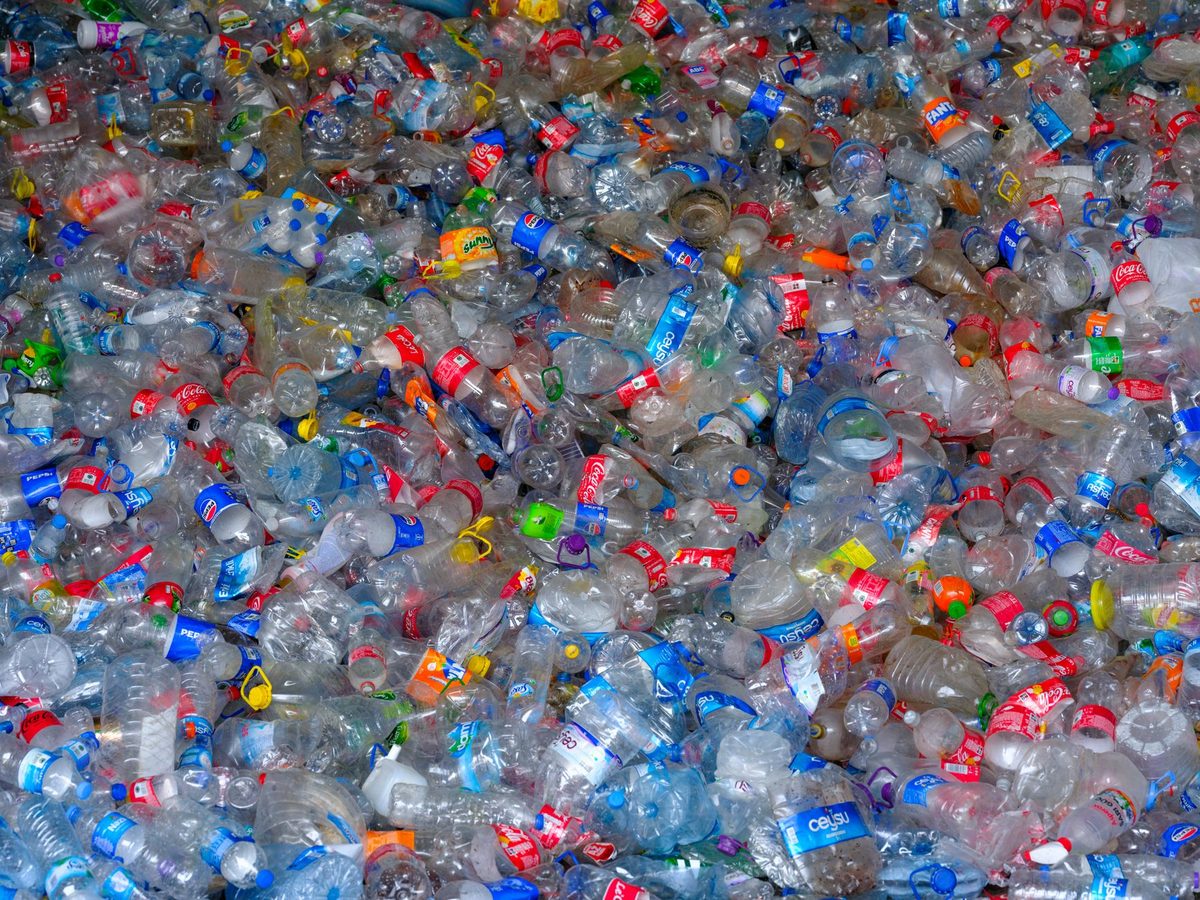
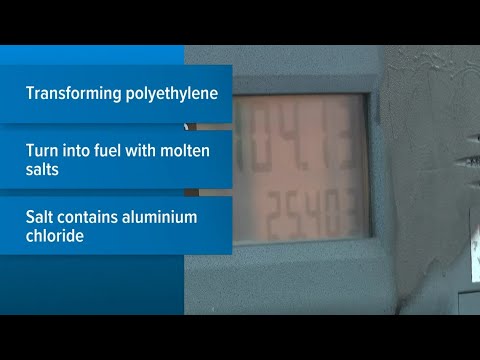
An Oak Ridge National Laboratory team has turned polyethylene, the most common plastic in shopping bags and cutting boards, into gasoline and diesel by stirring it into molten aluminum chloride salts at under 200°C. The reaction yields about 60% gasoline and runs at the heat of a kitchen oven, not a blast furnace.

Existing plastic-to-fuel methods, called pyrolysis, need 450-500°C, expensive catalysts, and added hydrogen gas. This process skips all three. If it scales past the lab, the hardest-to-recycle plastic becomes a cheap fuel feedstock instead of landfill.

Why it matters

If it scales, the world's most common unrecyclable plastic becomes fuel at a fraction of today's energy cost.

Questions about this story

Free account needed to ask — your question is kept and asked for you right after sign-up. Answers are public.

No questions yet — be the first to ask.

Key Indicators

~60%
Gasoline yield
Share of polyethylene converted to gasoline-range hydrocarbons in lab tests.
200°C
Process temperature
Upper bound of the reaction; conventional pyrolysis needs 450-500°C.
500°C
Conventional pyrolysis temperature
Heat required by standard plastic-to-fuel pyrolysis, for comparison.
0
Precious-metal catalysts required
Process uses cheap aluminum chloride salts; no noble metals, solvents, or external hydrogen.

Voices

Curated perspectives — historical figures and your fellow readers.

Ever wondered what historical figures would say about today's headlines?

Sign up to generate historical perspectives on this story.

People Involved

Organizations Involved

Timeline

April 2025 September 2026

2 events Latest: Today
  1. ORNL announces process, files patent

    Today Announcement

    Laboratory publicly highlights the molten-salt method, which it says needs no noble-metal catalysts, organic solvents, or external hydrogen, and confirms a patent application is filed.

  2. Peer-reviewed paper published in JACS

    Publication

    ORNL team publishes 'Polyethylene Upcycling to Liquid Alkanes in Molten Salts,' detailing the aluminum chloride process and its ~60% gasoline yield under mild conditions.

Scenarios

1

Molten-salt plastic-to-fuel process reaches pilot scale

Possible Resolves by End of 2028

Discussed by: ORNL researchers and chemical recycling industry trackers

If the moisture problem is contained, ORNL or a licensee builds a pilot unit converting polyethylene at kilogram scale per day. The mild temperature and cheap salt would make economics more attractive than pyrolysis, which has burned investor capital at high heat. A pilot announcement would signal commercial intent.

2

Research team defeats the moisture-stability flaw

Likely Resolves by End of 2027

Discussed by: The paper's authors, who named stabilizing the hygroscopic salt as the next step

Aluminum chloride salts absorb water and lose stability, a barrier to any practical system. The team plans to confine the salts with halogens or carbons. A published demonstration of a water-tolerant or protected catalyst would clear the main technical risk.

3

ORNL signs a commercial license for the process

Uncertain Resolves by Q2 2028

Discussed by: ORNL technology transfer office, which lists the patent-pending process for licensing

The lab lists the method on its technology licensing page, inviting industrial partners. If a chemical or waste-management firm takes a license, the process moves toward real deployment. Without a licensee, it remains a laboratory capability.

Historical Context

2 moments from history that rhyme with this story — and how they unfolded.

1936-1938

Houdry catalytic cracking (1937)

French engineer Eugene Houdry built the first commercial catalytic cracking unit at Atlantic Refining's Paulsboro, New Jersey refinery. A clay catalyst cracked heavy petroleum into higher-octane gasoline at lower temperatures than the thermal cracking it replaced.

Then

Higher-octane gasoline from less energy; catalytic cracking spread through the industry within a decade.

Now

Catalytic processes became the backbone of oil refining, displacing most thermal cracking.

Why this matters now

Houdry proved a cheap catalyst can slash the temperature of a hydrocarbon-breaking process. The ORNL salts do the same for plastic, cutting the operating window from roughly 500°C to under 200°C.

2005-2025

Plastic-to-fuel pyrolysis wave (2000s-2020s)

Dozens of companies built plants to melt mixed plastic waste into synthetic oil via pyrolysis, a high-heat process running at 450-500°C. Most struggled with uneven yields, feedstock contamination, and high energy costs; many shut down or never scaled.

Then

A few small commercial plants operated in Asia and Europe; several prominent North American projects closed.

Now

The sector earned a reputation for burning investor capital without solving plastic waste economics.

Why this matters now

The ORNL process directly attacks the two failure points of that wave: energy cost and feedstock tolerance. But the same scale-up and economic hurdles that sank pyrolysis still await it.

Sources

(10)