




Pull to refresh
Logo
Microplastics generate cell-damaging reactive molecules, study finds

Microplastics generate cell-damaging reactive molecules, study finds

New Capabilities

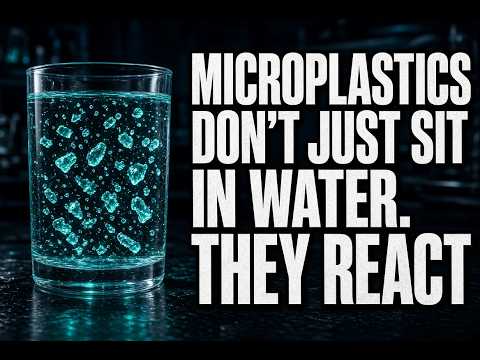
Nature paper shows plastic-water interfaces produce reactive oxygen species, challenging the assumption that plastics are chemically inert

October 2026: Nature publishes microplastic reactivity study

Overview

Updated Yesterday

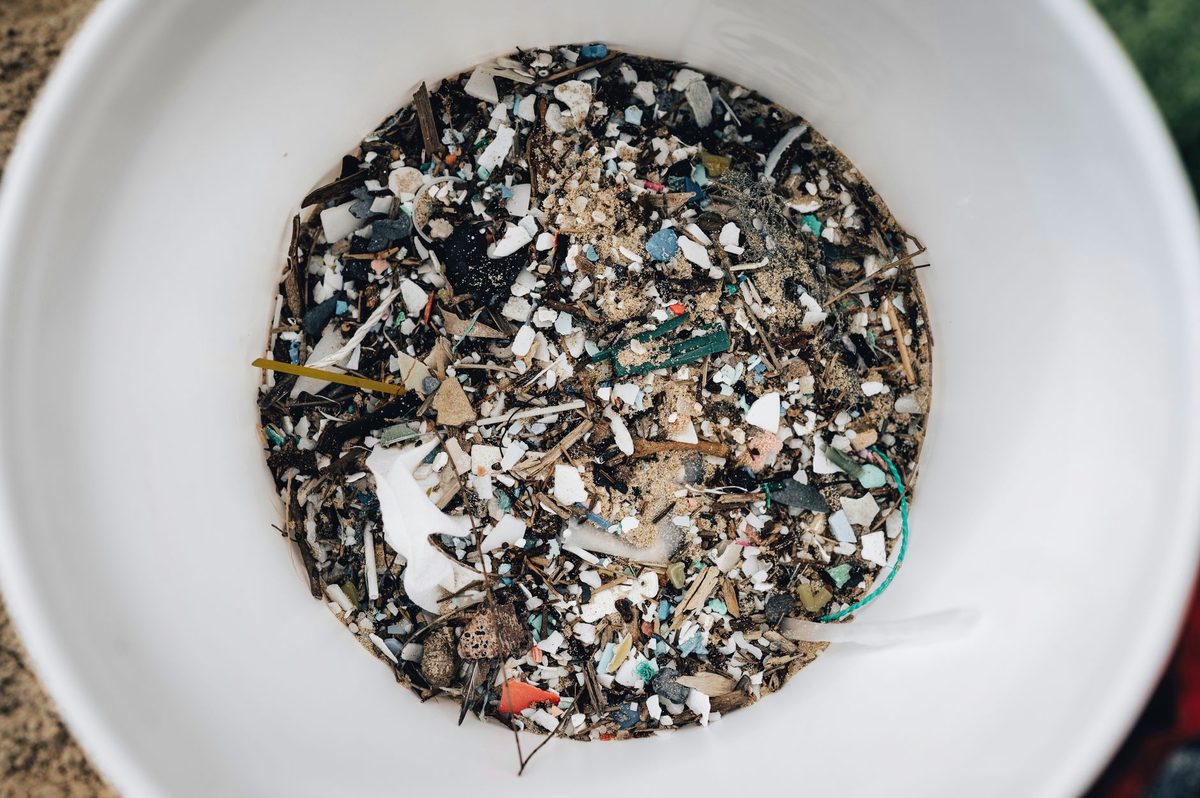
Microplastics have been found in human blood, lungs, and brain tissue, and studies link them to strokes, heart attacks, and dementia. Nobody could explain how a chemically inert material causes that damage. A new Nature study offers a mechanism: at the surface where microplastics meet water, reactive oxygen species form spontaneously, molecules that can modify and damage proteins and cells.

The finding challenges the assumption that plastics are chemically inert. It suggests microplastics entering the bloodstream could stay chemically active in a water-rich environment, generating hydroxyl radicals that drive the inflammation and oxidative stress tied to microplastic exposure. The researchers say this could point toward designing less reactive plastics.

Why it matters

If microplastics in the bloodstream generate reactive molecules, the inflammation linked to them may have a direct chemical cause, not just correlation.

Questions about this story

Free account needed to ask — your question is kept and asked for you right after sign-up. Answers are public.

No questions yet — be the first to ask.

Key Indicators

200-fold
Surface area increase from fragmentation
Fragmentation of a credit card into 10-micron particles multiplies surface area more than 200-fold, amplifying interfacial chemistry.
r = 0.75
Correlation between interfacial activity and red blood cell damage
Hemolysis tracked with measured interfacial activity across commodity plastics in the Nature study.
< 5 mm
Microplastic size threshold
Plastics fragmented below 5 millimeters are classified as microplastics and exhibit emergent water-interface activity.

Voices

Curated perspectives — historical figures and your fellow readers.

Ever wondered what historical figures would say about today's headlines?

Sign up to generate historical perspectives on this story.

People Involved

Organizations Involved

Timeline

March 2022 October 2026

2 events Latest: October 2026
  1. Nature publishes microplastic reactivity study

    Latest Scientific publication

    Columbia researchers show microplastic-water interfaces spontaneously generate reactive oxygen species that can modify proteins and damage cells, challenging plastic inertness.

  2. Microplastics found in human blood

    Discovery

    Dutch researchers detected polymer particles in blood samples of about 77% of donors, the first direct evidence microplastics circulate in the bloodstream.

Scenarios

1

Animal studies confirm microplastic reactive oxygen species drive disease

Possible Resolves by Q2 2028

Discussed by: Wei Min, the Columbia team, and Scientific American's coverage

The Columbia group says the next step is connecting interfacial chemistry to biological damage in living animals. If follow-up studies show hydroxyl radical generation at microplastic surfaces directly causes measurable tissue damage, microplastics would move from suspected to demonstrated cause of inflammation and oxidative stress.

2

Safer plastic formulations reach pilot testing

Possible Resolves by End of 2027

Discussed by: Ars Technica reporting; Wei Min

The researchers argue that if water-repellent surfaces drive the chemistry, plastics could be made less water-repellent through molecular changes or additives. A major manufacturer testing such a formulation would signal the finding moving from lab to industry.

3

Regulators cite reactivity in new microplastic guidance

Uncertain Resolves by End of 2028

Discussed by: Scientific American and New Scientist coverage

Agencies such as the US Environmental Protection Agency and the World Health Organization have called microplastic pollution a concern but set no exposure limits. The new mechanism could give regulators a concrete harm pathway to cite, though the team cautions the study does not prove disease in humans.

Historical Context

3 moments from history that rhyme with this story — and how they unfolded.

1960s-1980s

Asbestos (1960s-1980s)

Asbestos was cheap, fireproof, and widely installed in buildings and ships through the mid-20th century, assumed safe and inert. From the 1960s onward, studies linked it to mesothelioma, a fatal lung cancer, and the mineral was found in millions of homes and workplaces.

Then

Governments imposed bans and restrictions through the 1970s and 1980s, and the asbestos industry faced decades of lawsuits.

Now

Asbestos remains the classic case of a material whose assumed inertness collapsed under evidence, with global cleanup costs running into the billions.

Why this matters now

Like asbestos, plastics were long treated as chemically inert; the new study argues that inertness does not hold at microplastic scale.

2000s

PFOA and Teflon (2000s)

DuPont marketed Teflon as a nonstick miracle, and perfluorooctanoic acid (PFOA), a processing chemical, was long treated as harmless. In 2001 a lawsuit revealed the compound in local water supplies, and later studies linked it to kidney cancer and thyroid disease.

Then

DuPont and spinoff Chemours paid settlements and stopped using PFOA.

Now

PFOA was phased out of US production by 2015 under Environmental Protection Agency pressure, and the chemical became a target of drinking-water regulation.

Why this matters now

A second plastics-adjacent chemical assumed safe that proved harmful, showing how regulatory and public understanding lagged the science.

2012

Diesel exhaust particulates (2012)

Diesel engine exhaust, with its fine carbon particles, was long regulated as a nuisance pollutant. In 2012 the World Health Organization's cancer agency classified diesel exhaust as carcinogenic, citing oxidative stress and inflammation from inhaled particles.

Then

The ruling pushed tighter emissions standards and filtration systems for diesel engines worldwide.

Now

Diesel particulate regulation became a template for treating fine-particle pollution as a health hazard, not just a visibility issue.

Why this matters now

Diesel particles cause damage in part through reactive oxygen species, the same mechanism the microplastic study identifies, lending the finding mechanistic plausibility.

Sources

(7)