



Pull to refresh
Logo
Structural variant map of 467,152 UK Biobank genomes ties rare DNA rearrangements to disease

Structural variant map of 467,152 UK Biobank genomes ties rare DNA rearrangements to disease

New Capabilities

Largest map of large DNA rearrangements reports 37,000 trait associations and 1,690 protein links

2 days ago: Structural variant PheWAS of 467,152 UK Biobank genomes published

Overview

Updated 1 hour ago

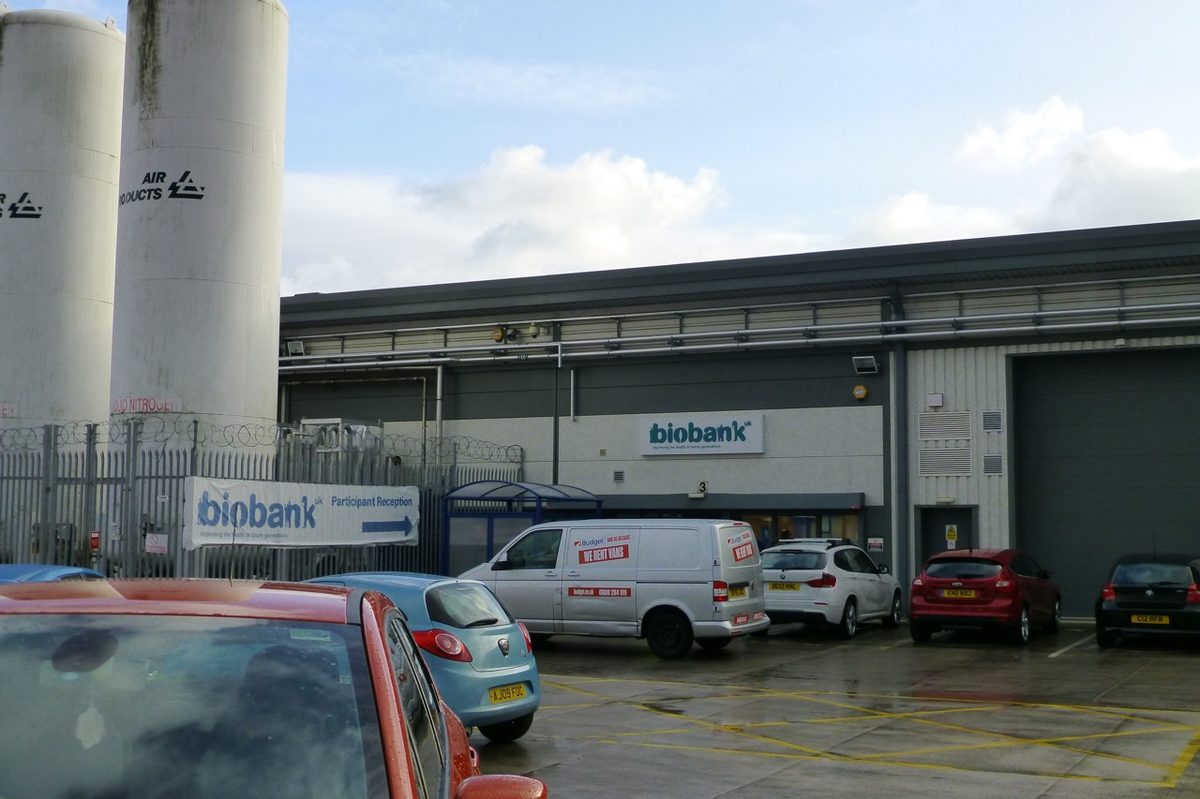
AstraZeneca's genomics team has scanned 467,152 UK Biobank genomes for structural variants — the large DNA rearrangements most studies skip — and tied them to disease and blood proteins. It is the largest phenome-wide map of structural variants to date.

The study reports 37,063 associations between structural variants and human traits or conditions. Rare variants showed especially strong effects, and 3,467 variants were linked to 1,690 plasma proteins, many of which could become drug targets. About 70% of the trait-linked variants sit near known disease markers, hinting they explain part of the heritability standard genome studies miss.

Why it matters

Rare DNA rearrangements tied to 1,690 blood proteins give drug developers a new route from genome to therapy.

Questions about this story

Free account needed to ask — your question is kept and asked for you right after sign-up. Answers are public.

No questions yet — be the first to ask.

Key Indicators

467,152
Genomes analyzed
Unrelated UK Biobank participants with whole-genome sequencing, across six genetic ancestry groups.
37,063
Structural variant–trait associations
Includes 28,184 associations with human health outcomes across binary and quantitative traits.
82.25%
SVs beyond prior CNV detection range
Share of the 1.6 million variants invisible to earlier copy-number variant studies.
3,467
SVs linked to plasma proteins
Protein quantitative trait loci connecting variants to 1,690 proteins with effects dependent on variant type and location.
70.3%
Disease-associated SVs near known GWAS markers
Share of trait-linked variants in linkage disequilibrium with reported genome-wide association study SNPs.

Voices

Curated perspectives — historical figures and your fellow readers.

Ever wondered what historical figures would say about today's headlines?

Sign up to generate historical perspectives on this story.

People Involved

Organizations Involved

Timeline

2020 October 2026

4 events Latest: 2 days ago
Tap a bar to jump to that date
  1. Structural variant PheWAS of 467,152 UK Biobank genomes published

    Latest Publication

    Cell paper reports 37,063 SV-trait associations; links 3,467 variants to 1,690 plasma proteins.

  2. Human pangenome reference adds 107,590 structural variants

    Research milestone

    Haplotype-resolved assemblies of diverse genomes provide reference-grade SV truth sets.

  3. gnomAD releases structural variant reference from 14,891 genomes

    Research milestone

    433,371 variants cataloged; SVs estimated to cause 25–29% of rare protein-truncating events per genome.

  4. SV map from 17,795 genomes shows noncoding deletions dominate

    Research milestone

    Study finds SVs make up about 17% of rare alleles, most of them noncoding deletions.

Scenarios

1

AstraZeneca carries a map-identified protein into phase 1 trials

Possible Resolves by End of 2028

Discussed by: Study authors at AstraZeneca; drug development analysts

The company co-led the study and its Mendelian randomization flagged 830 potentially causal protein-disease links. The natural next step is selecting structural variant–linked proteins as drug targets and advancing them through preclinical work, with entry into a phase 1 trial as the measurable milestone.

2

Top rare SV-disease associations replicated in independent biobanks

Likely Resolves by End of 2029

Discussed by: Human genetics community; replication is standard practice for PheWAS claims

The strongest claims, rare structural variants with large effects on disease, need confirmation in cohorts like All of Us and the Million Veteran Program. Independent replication would validate the map's biological findings and separate robust signals from cohort-specific noise.

3

Clinical sequencing guidance makes structural variant analysis routine

Possible Resolves by Q2 2029

Discussed by: Clinical genomics bodies (ACMG, AMP)

If the field adopts the map's methods, diagnostic genome sequencing guidelines could recommend routine structural variant calling rather than single-letter variant analysis alone. Such a change would push SV analysis into standard clinical practice and expand the number of patients who receive SV-based diagnoses.

Historical Context

3 moments from history that rhyme with this story — and how they unfolded.

May 2020

gnomAD structural variant reference (2020)

The Genome Aggregation Database consortium published 433,371 structural variants found in 14,891 genomes across diverse global populations, 54% of them non-European. They estimated structural variants cause 25–29% of all rare protein-truncating events per genome.

Then

First population-scale structural variant catalog; established that large rearrangements are common and biologically consequential.

Now

Provided baseline methods and frequency data that later phenome-wide efforts built on.

Why this matters now

The new UK Biobank map extends the same idea from roughly 15,000 genomes to 467,152, scaling SV research to population level.

2020

SV map of 17,795 genomes (2020)

Researchers used a scalable pipeline to map structural variants in 17,795 deeply sequenced human genomes. They found structural variants account for about 17% of rare alleles with predicted deleterious effects, with roughly 90% of those being noncoding deletions averaging 19 per genome.

Then

Largest whole-genome-sequence-based SV resource of its time; established that most functional SVs are noncoding deletions.

Now

Guided dosage-sensitivity mapping of genes and noncoding elements, informing later SV interpretation.

Why this matters now

The UK Biobank map builds on this finding, confirming that rare, mostly noncoding deletions drive much of the variant's phenotypic impact.

2022

Human Pangenome Reference Consortium (2022)

The Human Pangenome Reference Consortium produced haplotype-resolved assemblies of 64 diverse human genomes, identifying 107,590 structural variants of 50 base pairs or longer, plus millions of smaller variants and inversions.

Then

Provided a reference-grade, population-diverse catalog of structural variation.

Now

Serves as a truth set for validating variant callers used in population studies like the UK Biobank scan.

Why this matters now

Its high-quality SV catalog underpins the confidence of the variant calls in the new phenome map.

Sources

(7)