




Pull to refresh
Logo
Average drug patent count triples since 1990, JAMA study finds

Average drug patent count triples since 1990, JAMA study finds

Rule Changes

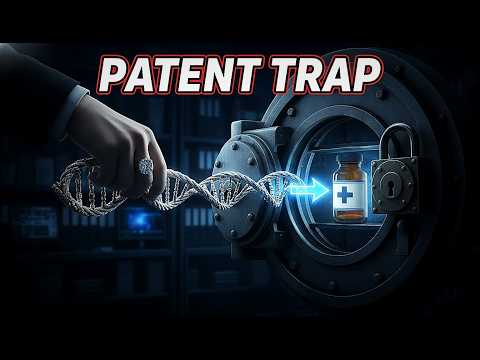
Patents per FDA-approved drug rose from 2.1 in 1990 to 6.9 in 2019, adding a mean 6.1 years of market exclusivity

Today: JAMA publishes patent thicket analysis

Overview

Updated 1 hour ago

The average FDA-approved drug now carries more than three times as many patents as it did in 1990. A JAMA study of 1,981 small-molecule drugs found the mean patent count per drug rose from 2.1 to 6.9 between 1990 and 2019.

The growth came almost entirely from secondary patents covering formulations, dosing methods, and delivery devices, not the active ingredient. Those patents extended market exclusivity by a mean of 6.1 years and are enforced against generic firms at higher rates than primary patents, keeping cheaper generics off the market longer.

Why it matters

Secondary patents add 6.1 years on average to a drug's exclusivity, delaying generics and keeping prices higher for longer.

Questions about this story

Free account needed to ask — your question is kept and asked for you right after sign-up. Answers are public.

No questions yet — be the first to ask.

Key Indicators

2.1 → 6.9
Mean patents per approved drug
Rose from 2.1 in 1990 to 6.9 in 2019 across 1,981 FDA-approved small-molecule drugs.
6.1 years
Mean added exclusivity from secondary patents
The average extension to market exclusivity attributable to nonprimary patents listed after a drug's approval.
10,940
Patents listed across studied drugs
Total patents drugmakers listed in the FDA Orange Book for drugs approved 1990-2019.
1,981
Small-molecule drugs studied
All FDA-approved small-molecule drugs approved during the 30-year study period.

Voices

Curated perspectives — historical figures and your fellow readers.

Ever wondered what historical figures would say about today's headlines?

Sign up to generate historical perspectives on this story.

People Involved

Organizations Involved

Timeline

September 1984 October 2026

4 events Latest: Today
Tap a bar to jump to that date
  1. JAMA publishes patent thicket analysis

    Today Publication

    Study of 1,981 drugs shows patent counts tripled since 1990 and secondary patents added a mean 6.1 years of exclusivity.

  2. Study period ends: 6.9 patents per drug

    Data

    The average reached 6.9 patents per drug by 2019, driven mostly by secondary patents.

  3. Study baseline: 2.1 patents per drug

    Data

    FDA-approved small-molecule drugs in 1990 carried an average of 2.1 listed patents each.

  4. Hatch-Waxman Act creates the modern generic pathway

    Policy

    Congress passed the Drug Price Competition and Patent Term Restoration Act, establishing abbreviated generic approvals and the Orange Book patent list.

Scenarios

1

USPTO narrows route for secondary drug patents

Possible Resolves by End of 2027

Discussed by: The JAMA study's authors and drug-pricing reform advocates; resisted by pharmaceutical industry groups

The study's authors call for closer USPTO scrutiny of formulation, method-of-use, and device claims on approved drugs. If the office tightens examination of secondary patents, fewer add-on claims would issue and generic entry could speed up. Industry argues the patents cover genuine innovations and notes the USPTO's own 2022 report found no clear link between patent counts and generic timing.

2

Congress enacts curbs on patent evergreening

Unlikely Resolves by End of 2028

Discussed by: Study authors including S. Sean Tu, who proposes limiting add-on patents and forcing disgorgement for abuse

Legislation to cap secondary patents or penalize their abuse would need to pass both chambers and be signed into law. The pharmaceutical industry's lobbying strength makes enactment unlikely in the current term, though the study's publication could fuel hearings.

3

Patent thickets keep growing as generic entry slows further

Likely Resolves by End of 2029

Discussed by: Trend documented across multiple studies; the JAMA authors note patent filings now extend nine years after approval

With current incentives unchanged, follow-on patenting continues. The authors note filings now occur up to nine years after approval, suggesting the 2019 data understate today's thicket size. A follow-up study would likely show the patent-per-drug average climbing past 6.9.

Historical Context

3 moments from history that rhyme with this story — and how they unfolded.

September 1984

Hatch-Waxman Act (1984)

Congress passed the Drug Price Competition and Patent Term Restoration Act, known as Hatch-Waxman. It let generic makers file abbreviated applications referencing brand drugs, created the Orange Book patent list, and gave drugmakers incentives to challenge weak patents.

Then

Generic drugs grew from a small share of prescriptions into the dominant form of dispensing over the following decades.

Now

The law remains the backbone of US generic competition and the very mechanism patent thickets now exploit.

Why this matters now

Hatch-Waxman built the framework the JAMA study measures: the same Orange Book listing that enabled generic entry now catalogs the secondary-patent thickets delaying it.

2012

Hemphill and Sampat evergreening study (2012)

Law professor C. Scott Hemphill and economist Bhaven Sampat published research showing drugmakers routinely filed follow-on patents near the end of a drug's baseline patent term, using them to delay generic entry after the primary patent expired.

Then

The paper became a standard citation in debates over pharmaceutical 'evergreening.'

Now

Later analyses, including the new JAMA study, show the practice has grown sharply since.

Why this matters now

The 2012 finding that secondary patents extend effective market life foreshadowed the larger thickets the JAMA study now documents across a 30-year sample.

2002-2023

AbbVie's Humira patent strategy (2002-2023)

AbbVie built a portfolio of over 100 patents around its blockbuster drug Humira, covering formulations, dosing, and manufacturing methods far beyond the molecule's core patent. The company settled with multiple generic makers to push biosimilar entry to 2023.

Then

Humira kept near-exclusive US market share for more than two decades, longer than comparable drugs elsewhere.

Now

The strategy became the emblematic case of how large patent portfolios delay competition.

Why this matters now

Humira shows the real-world endgame of the trend the JAMA study measures: many secondary patents on a single product can hold off generics for years beyond the original patent.

Sources

(6)