
Pull to refresh
Logo
FDA launches pilot to speed up early-stage drug trials

FDA launches pilot to speed up early-stage drug trials

Rule Changes

New program tests rolling application reviews and research partnerships to cut first-in-human trial startup times

Today: Industry coverage highlights pilot's goal of matching China and Australia

Overview

Updated 10 minutes ago

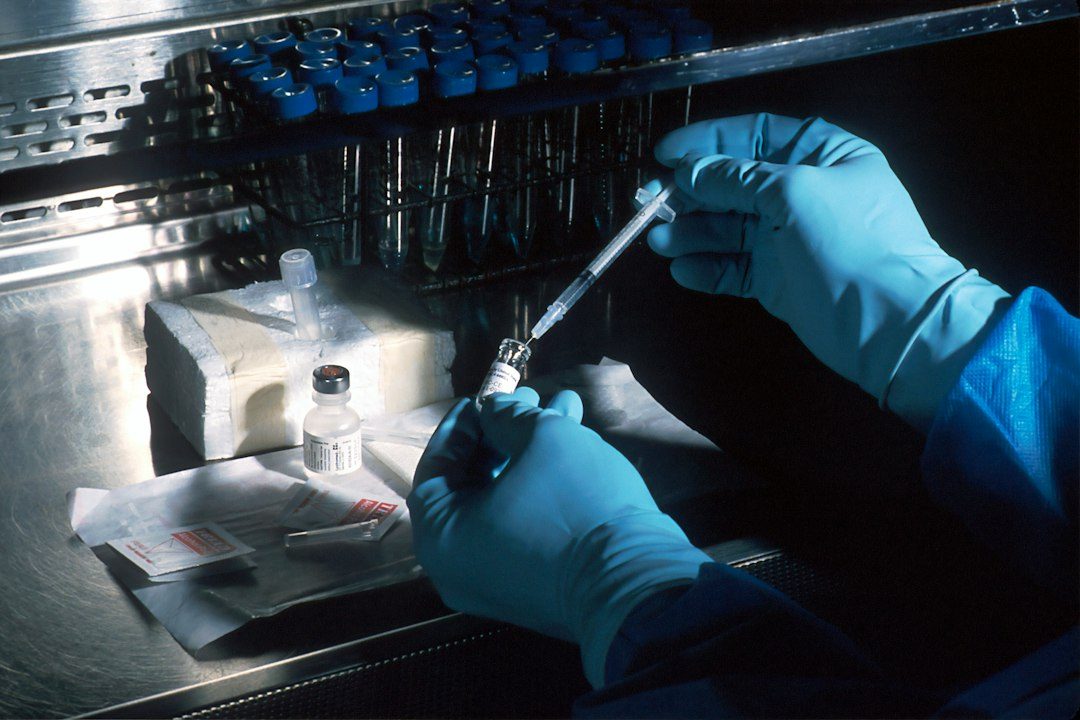
A first-in-human drug trial takes up to two years to start in the United States. In China and Australia, similar trials begin in months. The FDA opened a pilot this week that tests a faster path. Sponsors partner with outside research institutions that help prepare applications, and the agency reviews application pieces as they are completed instead of waiting for a full package.

The goal: cut six to twelve months off the timeline, part of Operation TrialBlazer, a Department of Health and Human Services push to keep early-stage trials in the US. If the model works, it could reshape where drug companies run first human trials. Applications close October 30, and the FDA names its cohort December 18.

Why it matters

If the pilot works, US patients get first access to experimental therapies instead of waiting while trials shift to China and Australia.

Questions about this story

Free account needed to ask — your question is kept and asked for you right after sign-up. Answers are public.

No questions yet — be the first to ask.

Key Indicators

45 days
Application window for the pilot
Drug companies can apply from September 15 to October 30, 2026.
6–12 months
Targeted reduction in Phase 1 startup timeline
FDA says the pilot aims to cut six to twelve months off the typical two-year first-in-human trial timeline.
December 18, 2026
Date FDA selects pilot cohort
Agency notifies selected participants and announces the cohort.

Voices

Curated perspectives — historical figures and your fellow readers.

Ever wondered what historical figures would say about today's headlines?

Sign up to generate historical perspectives on this story.

People Involved

Organizations Involved

Timeline

September 2026 December 2026

4 events Latest: Today
Tap a bar to jump to that date
  1. FDA selects pilot cohort

    Upcoming Decision

    The FDA is scheduled to select the cohort of pilot participants and notify all applicants of its decisions.

  2. Application deadline for pilot participation

    Upcoming Deadline

    Sponsors must submit applications to participate in the Expedited IND Pilot by this date. The FDA will then review applicants.

  3. Industry coverage highlights pilot's goal of matching China and Australia

    Today Media Coverage

    BioPharma Dive, BioSpace, Clinical Trials Arena, and RAPS report on the launch, framing it as an effort to reshore early-stage trials and reduce Phase 1 startup times by six to twelve months.

  4. FDA launches Expedited IND Pilot

    Policy Launch

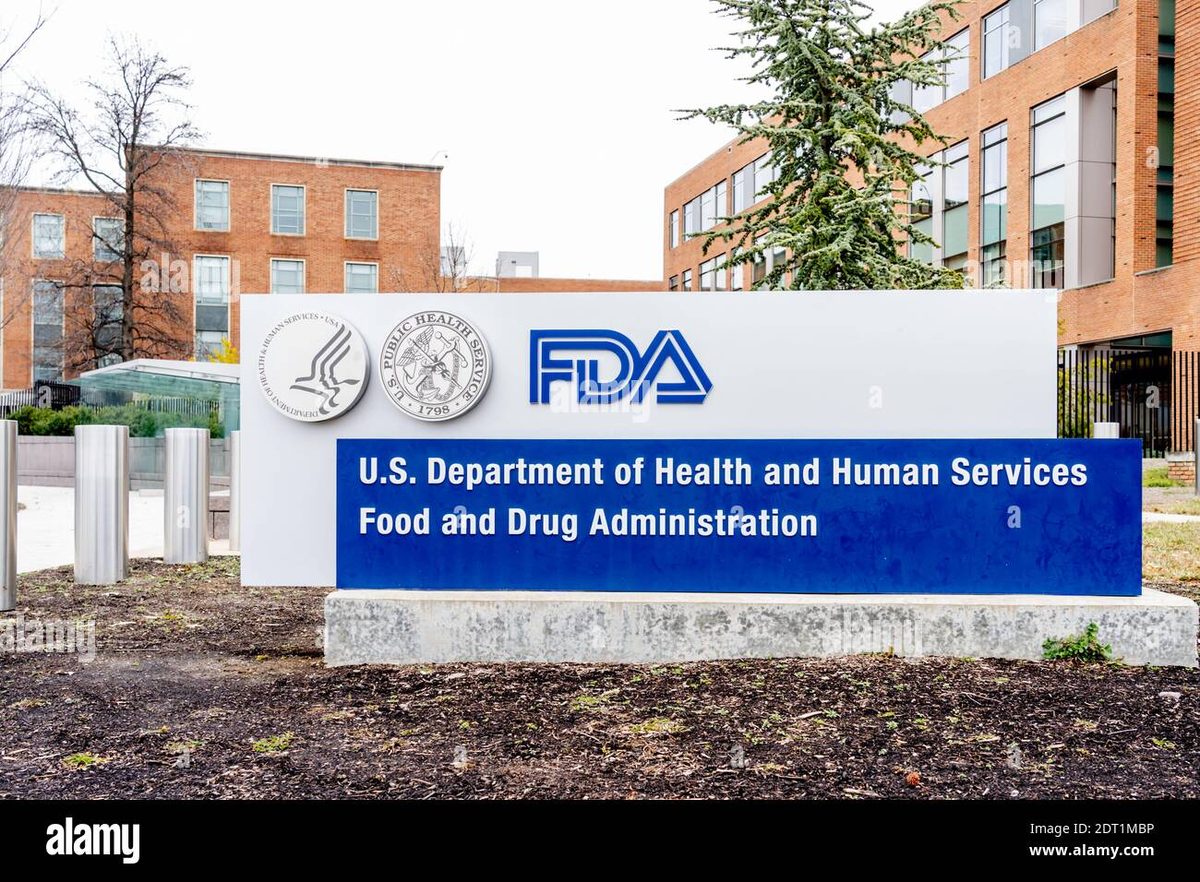
    The U.S. Food and Drug Administration opened applications for a pilot program that pairs drug sponsors with qualified research institutions and reviews IND application components on a rolling basis during the pre-IND phase.

Scenarios

1

FDA proposes accreditation program for fast-track trial partners

Possible Resolves by End of 2027

Discussed by: FDA officials in the pilot announcement; BioCentury

If rolling reviews reduce clinical holds and speed trial starts across the pilot cohort, the FDA has said it may follow with a formal accreditation model that recognizes research institutions with strong scientific judgment. A proposed rule or draft guidance would make the approach permanent and open it to all sponsors.

2

FDA extends rolling review option beyond initial pilot cohort

Possible Resolves by Q2 2028

Discussed by: BioSpace, Fierce Biotech coverage

Partial success — faster reviews for some sponsors but no wholesale overhaul — leads the FDA to extend the pilot or codify rolling IND review in updated guidance without creating an accreditation program. The expedited path becomes a standard feature of pre-IND review.

3

Expedited IND pilot draws few takers, lapses quietly

Unlikely Resolves by End of 2027

Discussed by: Bear case noted in industry coverage

If few drug companies apply by October 30, or if pilot partnerships still produce applications that draw clinical holds, the FDA lets the program lapse after the initial cohort without regulatory follow-up. The expedited model disappears from policy discussion.

Historical Context

3 moments from history that rhyme with this story — and how they unfolded.

July 2012

FDA Safety and Innovation Act — Breakthrough Therapy designation (2012)

Congress created the Breakthrough Therapy designation, letting drug developers get intensive FDA guidance from early in development. The agency reported that breakthrough-designated drugs reached patients with shorter overall development times than standard-review drugs.

Then

Drugs with the designation moved through review faster, with FDA staff embedded early in development planning.

Now

The program showed that earlier FDA engagement can shorten development timelines without loosening safety standards.

Why this matters now

The Expedited IND pilot applies the same principle — early, collaborative review — to the very first stage of human testing, a point in the pipeline the breakthrough program never touched.

August 2015 onward

China's drug regulatory reform (2015)

China's State Council issued a sweeping reform of its drug review system, clearing a massive backlog of pending trial applications and capping review times. Within two years, clinical trial application reviews fell from 12–18 months to about 60 working days.

Then

China's trial pipeline went from a bottleneck to one of the fastest in the world.

Now

China became a major destination for early-stage trials, drawing pharmaceutical companies that wanted quicker answers on whether drugs worked.

Why this matters now

The FDA pilot is a direct response to the trial migration that China's speed enabled. US regulators want to offer developers a comparable timeline at home.

1990s to present

Australia's Clinical Trial Notification scheme

Australia requires only a 30-day notification, not full approval, before trials of an approved drug can begin in humans. The fast turnaround made the country a preferred early-trial site for US and European sponsors.

Then

Australian sites regularly started the same Phase 1 trials months before their US counterparts.

Now

Australia built a clinical trial ecosystem that competes with the US on speed, drawing sponsors away from American sites.

Why this matters now

This is the benchmark the FDA pilot wants to match: a regulatory path that gets trials started in months, not years.

Sources

(9)