

Pull to refresh
Logo
FDA clears ZBeats ECG software for 14-day wearable and Holter recordings

FDA clears ZBeats ECG software for 14-day wearable and Holter recordings

New Capabilities

New clearance lets the cloud platform analyze up to 14 days of data, up from 24/48-hour Holter recordings

Yesterday: ZBeats announces v2.0 clearance publicly

Overview

Updated 33 minutes ago

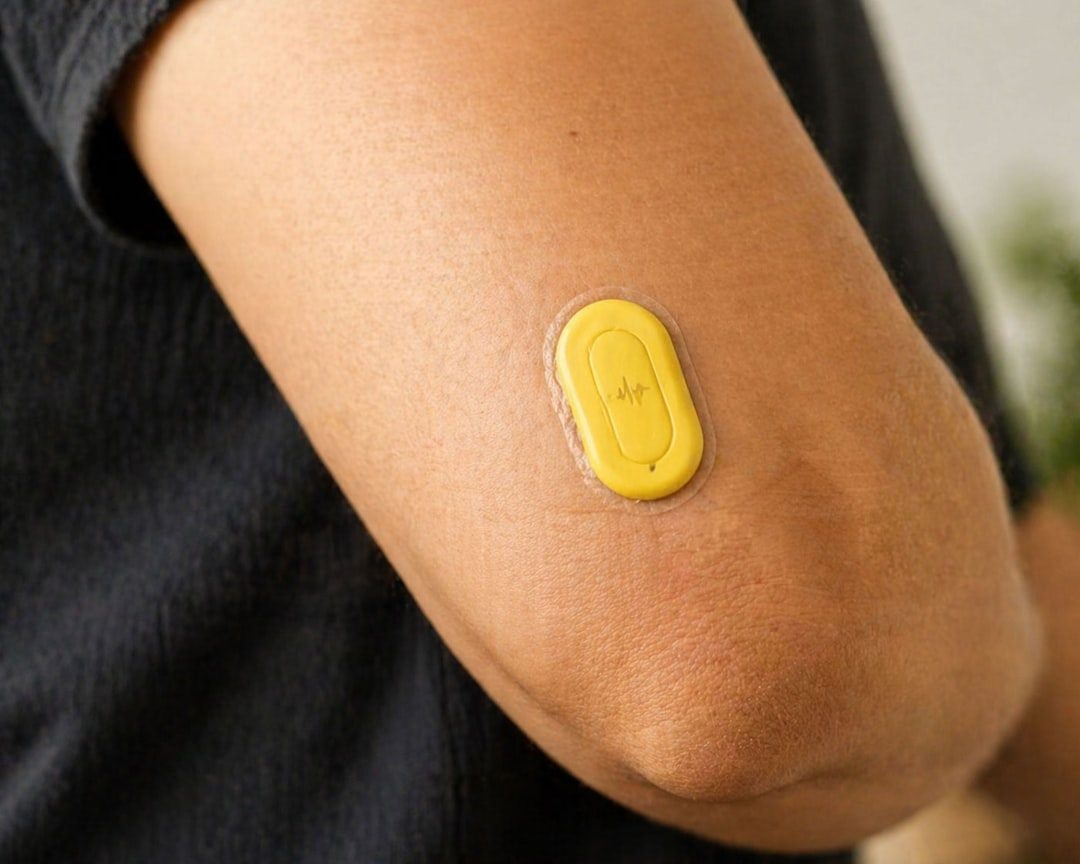
A year ago, ZBeats' FDA-cleared software could analyze only 24- and 48-hour Holter recordings from specific electrode setups. On September 15, the company announced a new clearance letting the same cloud platform handle anything from a one-minute snapshot to 14 days of data, including wearable patches.

The change separates ECG analysis from the hardware that records it. Monitoring centers can now pair any supported recorder with one analysis platform. Consumer wearables can feed the same clinical-grade analysis, a shift from hardware-bundled interpretation to device-agnostic software.

Why it matters

Monitoring centers can now run one cloud analysis platform across any supported recorder, decoupling ECG interpretation from Holter and wearable hardware purchases.

Questions about this story

Free account needed to ask — your question is kept and asked for you right after sign-up. Answers are public.

No questions yet — be the first to ask.

Key Indicators

14 days
Maximum ECG recording duration supported
Up from 24/48-hour Holter recordings in the original clearance.
2
FDA 510(k) clearances for ZBPro
K243252 (July 2025) and K261580 (September 2026).

Voices

Curated perspectives — historical figures and your fellow readers.

Ever wondered what historical figures would say about today's headlines?

Sign up to generate historical perspectives on this story.

People Involved

Organizations Involved

Timeline

October 2024 September 2026

4 events Latest: Yesterday
Tap a bar to jump to that date
  1. ZBeats announces v2.0 clearance publicly

    Latest Statement

    ZBeats announces the expanded clearance and showcases the software at HRX Live 2026 in Atlanta.

  2. FDA clears ZBPro Diagnostic v2.0

    Regulatory

    FDA clears expanded version (K261580) supporting recordings from 1 minute to 14 days, including wearables.

  3. FDA clears ZBPro Diagnostic for Holter analysis

    Regulatory

    FDA grants 510(k) clearance for 24/48-hour Holter recordings using 3-lead and 5-lead configurations.

  4. ZBeats submits initial 510(k) application

    Regulatory

    ZBeats files its first premarket notification (K243252) for ZBPro Diagnostic with the FDA.

Scenarios

1

ZBeats lands major IDTF and health system adoptions

Possible Resolves by Q3 2027

Discussed by: ZBeats' positioning at HRX Live 2026 and IDTF market commentary

Independent Diagnostic Testing Facilities process high volumes of ambulatory ECG studies and benefit directly from ZBPro's per-study efficiency tools. If the platform's speed gains hold up in production, large IDTFs could standardize on it and drop analysis software bundled with their Holter hardware. The company showcased v2.0 at HRX Live 2026 this week, signaling an active commercial push.

2

Holter and patch vendors ship their own device-agnostic analysis

Possible Resolves by End of 2027

Discussed by: Market analysts tracking ECG monitoring competition

Philips, GE Healthcare, or a patch manufacturer could respond by clearing their own cloud analysis platforms that work across multiple recorders, keeping customers inside their ecosystems. That would validate the device-agnostic approach while crowding ZBPro's niche. Watch the FDA 510(k) database for new cardiovascular software clearances.

3

Consumer wearable partnership brings clinical-grade analysis to consumer data

Unlikely Resolves by Q2 2027

Discussed by: ZBeats' stated interest in consumer wearables

ZBeats' clearance now covers 14-day recordings from wearable patches, and the CEO cites consumer wearables as a target market. A partnership with a consumer device maker such as Apple, Google/Fitbit, or Samsung, or with their ECG data platforms, could route consumer recordings into the same clinical-grade analysis and reporting workflow.

Historical Context

3 moments from history that rhyme with this story — and how they unfolded.

2017

AliveCor KardiaMobile (2017)

The FDA cleared KardiaMobile, a pocket-sized single-lead ECG that pairs with a smartphone app to detect atrial fibrillation. It was the first FDA-cleared personal ECG accessible without a prescription.

Then

KardiaMobile became a widely used consumer ECG device.

Now

Established the model of FDA-cleared algorithmic analysis on hardware the user provides, a direct precursor to ZBPro's approach.

Why this matters now

Both products rely on software algorithms to interpret ECG data on hardware the user provides, rather than clinical-grade recorders.

September 2018

Apple Watch ECG (2018)

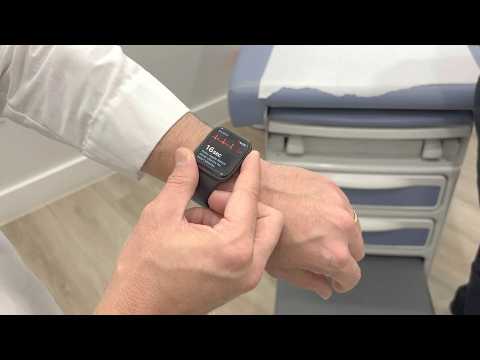
The FDA cleared the Apple Watch Series 4's ECG app, the first over-the-counter electrocardiogram feature on a consumer wearable. Users took a single-lead reading by holding a finger on the digital crown.

Then

Apple sold millions of watches with ECG capability, bringing cardiac rhythm screening to the consumer market.

Now

Set a precedent that wearable ECG data could be clinically meaningful, opening the door for more devices and cloud analysis platforms.

Why this matters now

Shows regulators accepting ECG data from non-traditional hardware, the same shift ZBPro's device-agnostic clearance builds on.

2021

Philips acquires BioTelemetry (2021)

Royal Philips acquired BioTelemetry, a leading provider of cardiac monitoring services including Holter and wearable-based event monitoring.

Then

Philips consolidated the cardiac monitoring market into its health technology portfolio.

Now

Highlighted the shift toward integrated software-plus-service platforms for ambulatory ECG, the market ZBPro now targets.

Why this matters now

Shows large hardware and services players already moving toward device-agnostic, software-led ECG workflows.

Sources

(9)