
Pull to refresh
Logo
AEP Texas closes multibillion-dollar federal loan to overhaul state grid

AEP Texas closes multibillion-dollar federal loan to overhaul state grid

Built World

$3.26 billion from DOE's revamped lending arm will fund 2,800 miles of transmission serving data centers and Permian Basin growth

Today: AEP Texas loan terms detailed for statewide grid overhaul

Overview

Updated 1 hour ago

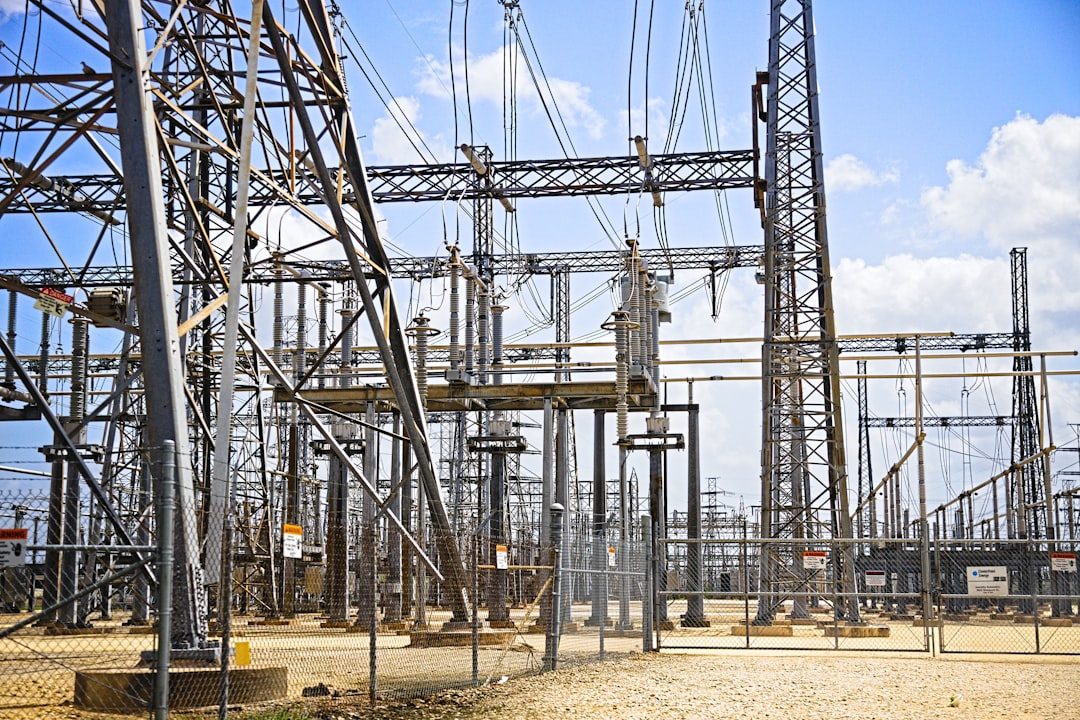
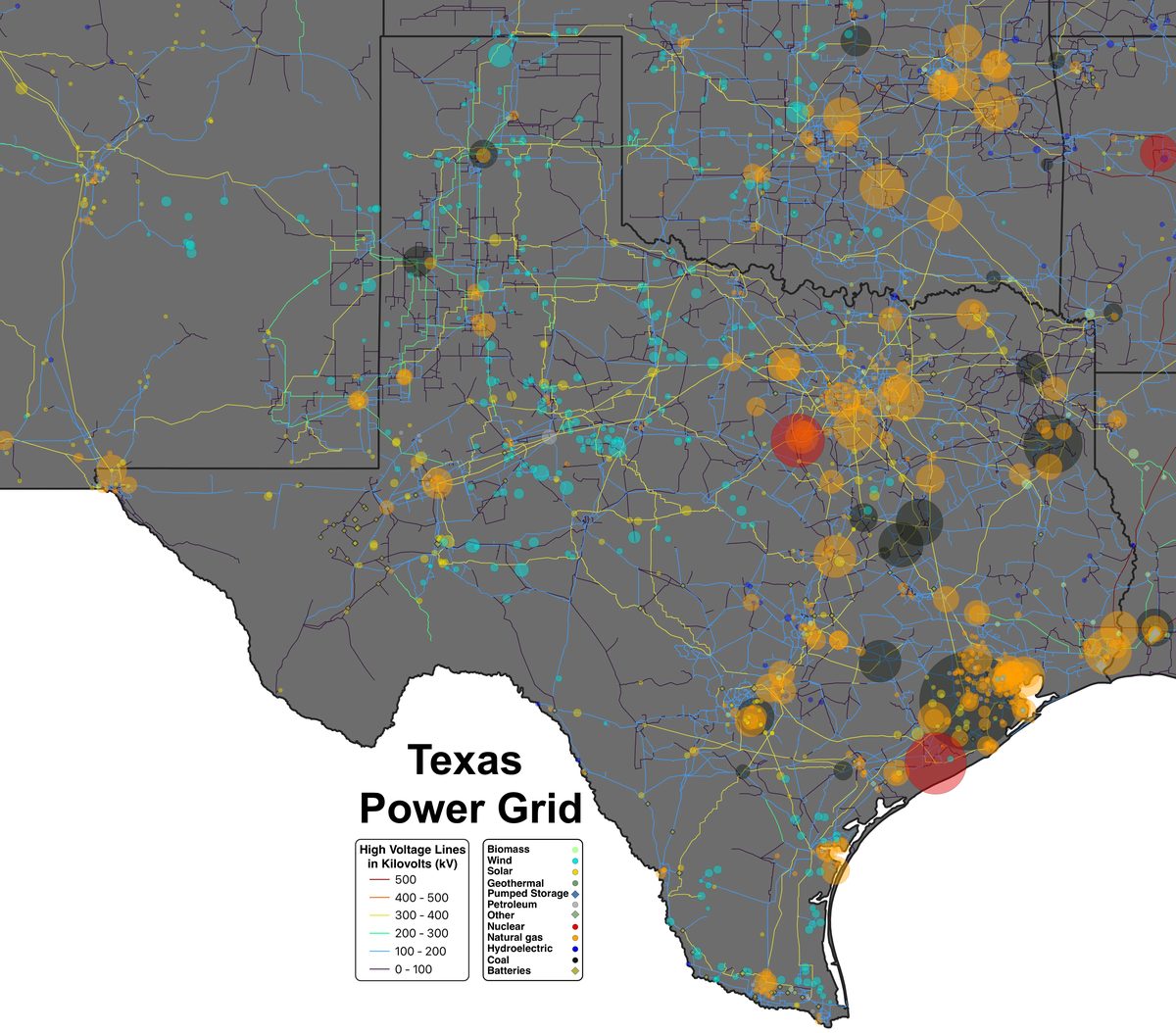
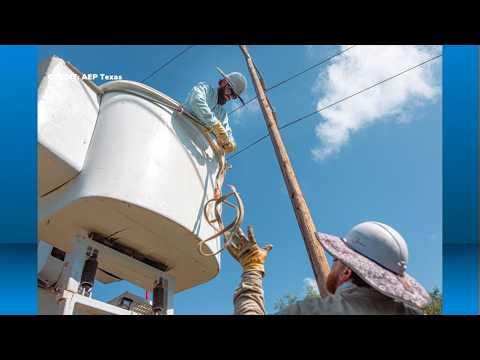
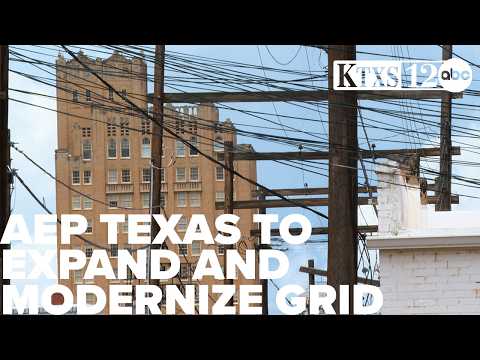
AEP Texas has closed a $3.26 billion federal loan to rebuild the state's power grid. The money funds roughly 100 projects covering 2,800 miles of transmission lines. Key corridors get double the carrying capacity, aimed at data centers and Permian Basin oil fields.

The lender is the Department of Energy's Office of Energy Dominance Financing, formerly the Loan Programs Office. The office has shifted federal energy lending toward baseload power, transmission, and nuclear, and away from wind and solar. AEP has signed agreements for 41 gigawatts of new load by 2030, roughly half of Texas's all-time record demand.

Why it matters

The loan decides whether Texas can move power to its data centers and oil fields — and who pays if the boom stalls.

Questions about this story

Free account needed to ask — your question is kept and asked for you right after sign-up. Answers are public.

No questions yet — be the first to ask.

Key Indicators

$3.26 billion
Loan amount from DOE
Financing for about 100 transmission projects across South and West Texas.
2,800 miles (4,500 km)
Transmission lines rebuilt or built
Rebuilding, reconductoring, and new construction to double corridor capacity.
41 GW
New load under signed agreements
Letters of agreement AEP Texas signed for potential load additions through 2030.
$685 million
Projected customer savings over 30 years
Low-cost federal capital is expected to cut borrowing costs for 1.1 million customers.
6,500
Construction jobs supported
DOE's estimate of permanent U.S. jobs tied to the project portfolio.

Voices

Curated perspectives — historical figures and your fellow readers.

Ever wondered what historical figures would say about today's headlines?

Sign up to generate historical perspectives on this story.

Play

Exploring all sides of a story is often best achieved with Play.

Most of these play right now — no account needed. Sign up to save scores, keep a streak, and unlock Debate and Predict. Log in Sign Up
Predict 3 ways this could play out. Back the one you believe — contrarian picks score more when a scenario has a resolution date. Log in to play

People Involved

Organizations Involved

Timeline

2025 August 2026

4 events Latest: Today
Tap a bar to jump to that date
  1. AEP Texas loan terms detailed for statewide grid overhaul

    Today Update

    Coverage outlines doubled corridor capacity, 6,500 jobs, and $685 million in projected customer savings.

  2. DOE closes $3.26 billion loan to AEP Texas

    Financing

    Loan covers about 100 transmission projects spanning 2,800 miles of new and reconductored lines.

  3. Trump signs 'Unleashing American Energy' executive order

    Policy

    Directs federal energy policy toward baseload power, transmission, and grid reliability.

  4. DOE rebrands Loan Programs Office as Energy Dominance Financing

    Institutional Change

    New office steers $289 billion in lending authority toward fossil fuels, transmission, and nuclear.

Historical Context

3 moments from history that rhyme with this story — and how they unfolded.

2008–2013

Texas CREZ transmission buildout (2008–2013)

Texas regulators approved the Competitive Renewable Energy Zones plan to build thousands of miles of high-voltage lines carrying West Texas wind to cities. The buildout totaled about 3,600 miles and roughly $7 billion, paid for through transmission charges on customer bills.

Then

Costs ran ahead of early estimates, prompting ratepayer complaints.

Now

The lines came in on schedule, unlocked a wind boom, and made Texas the nation's top wind producer. It remains the model for large-scale U.S. transmission planning.

Why this matters now

This is the same state building the same kind of infrastructure for a different demand source — data centers and Permian oil and gas instead of wind.

2010–present

Grain Belt Express (2010–present)

Invenergy proposed an 800-mile high-voltage direct-current line carrying Kansas wind across Missouri and Illinois to the eastern grid. It had private financing but spent more than a decade fighting county routing decisions and state regulators.

Then

The project survived court battles and eventually won approval in multiple states.

Now

It became the standard example of why money is rarely the binding constraint on long-haul transmission — rights-of-way and permitting decide the timeline.

Why this matters now

The AEP Texas loan adds cheap federal capital, but the Grain Belt history suggests routing and supply chains, not financing, will pace the buildout.

2010–2023

Vogtle nuclear loan guarantees (2010)

The Department of Energy approved $8.3 billion in federal loan guarantees for two new reactors at Plant Vogtle in Georgia, the first U.S. nuclear build in decades. The project came online years late and about $17 billion over its original budget.

Then

Georgia ratepayers absorbed the overruns through monthly charges on their power bills.

Now

Vogtle became the cautionary example of federal energy loan guarantees and the gap between projected and actual costs.

Why this matters now

It shows federal capital with promised savings does not guarantee cost control — a risk the AEP Texas loan carries if new load arrives slower than forecast.

Sources

(10)