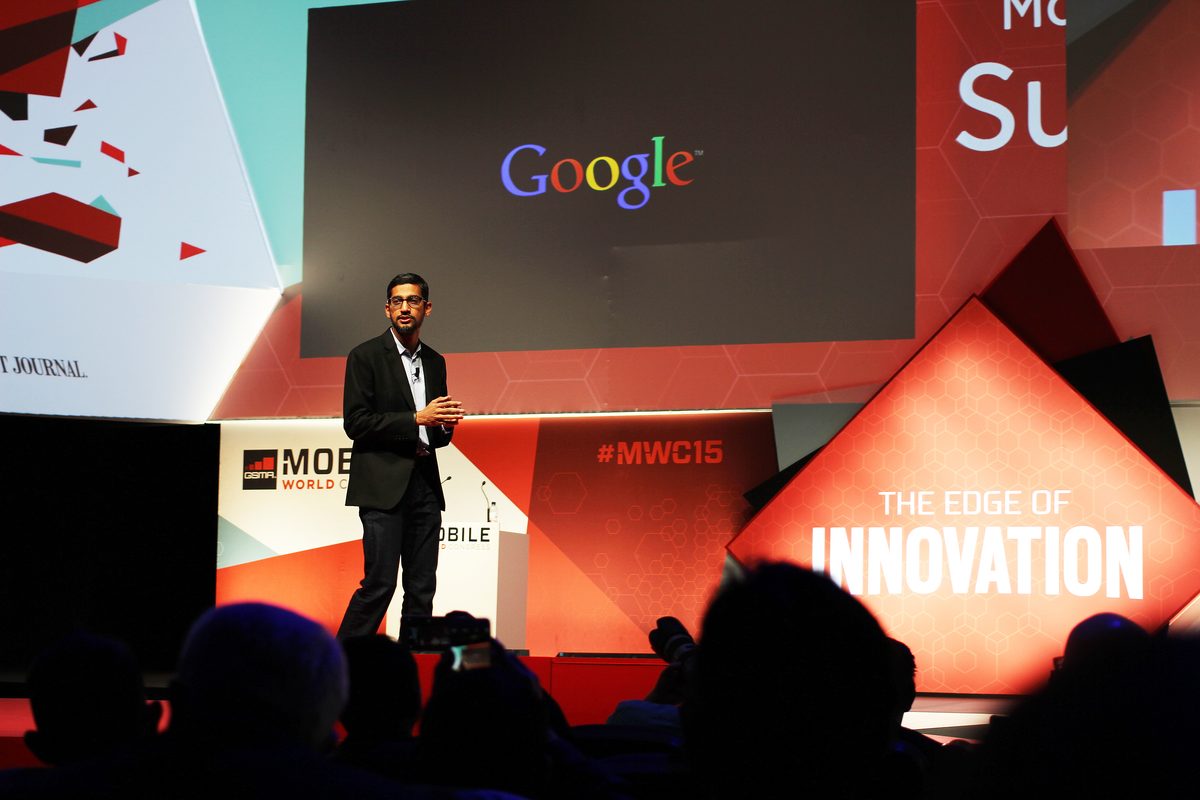
For most of computing's history, every line of production code at a major software company was typed by a human. On April 24 at Google Cloud Next 2026, Google CEO Sundar Pichai said 75 percent of new code at the company is now generated by artificial intelligence and reviewed by engineers. That share was 25 percent in October 2024.
The workforce consequences are now explicit. Days after Pichai's announcement, Meta said it would cut 8,000 jobs (10 percent of its staff), beginning May 20. An internal memo directly linked the cuts to AI infrastructure spending projected at $162–169 billion in 2026.
Microsoft simultaneously launched the first voluntary retirement program in its 51-year history, targeting roughly 7 percent of its U.S. workforce. It explicitly exempted AI, Azure OpenAI, and GitHub Copilot engineering teams. Both companies named AI automation as the enabling factor for cuts in software testing, content moderation, and certain engineering roles.