
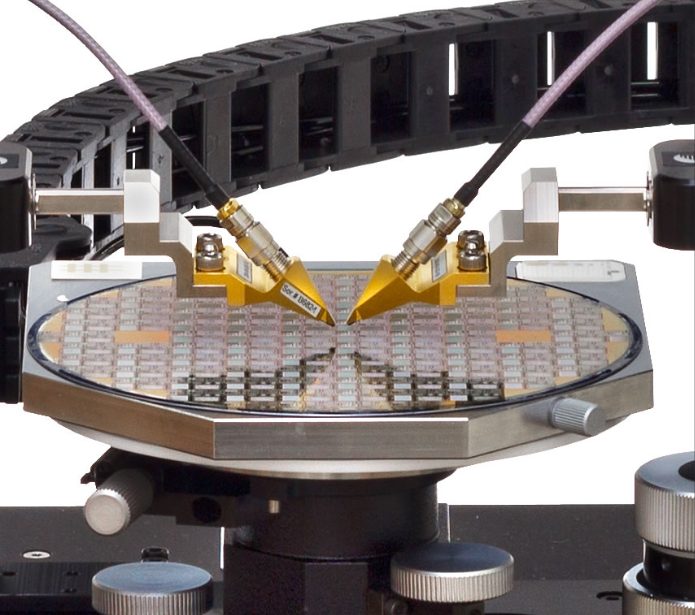
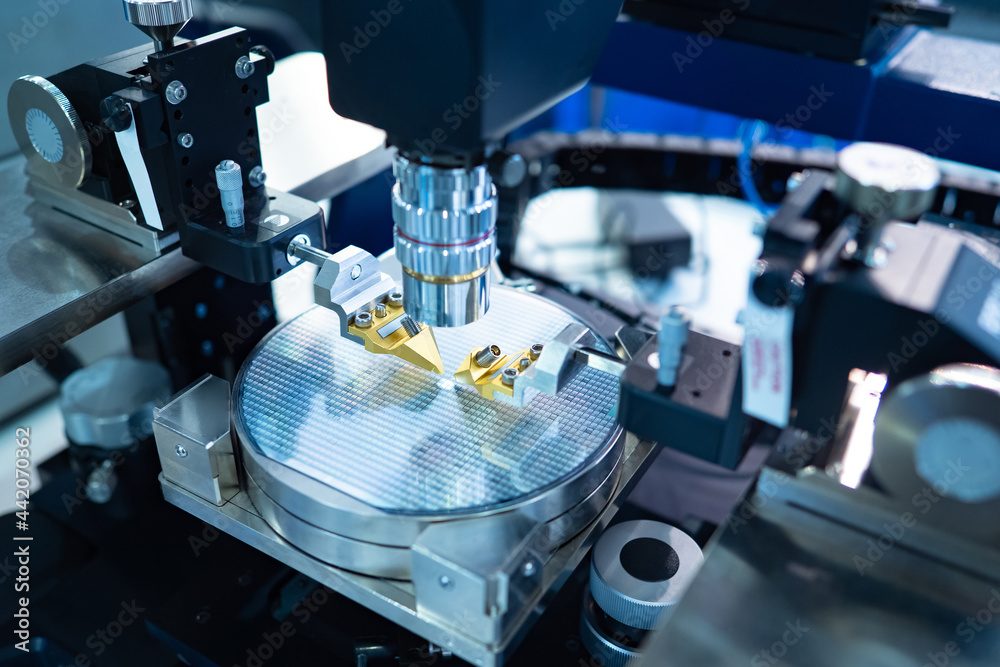
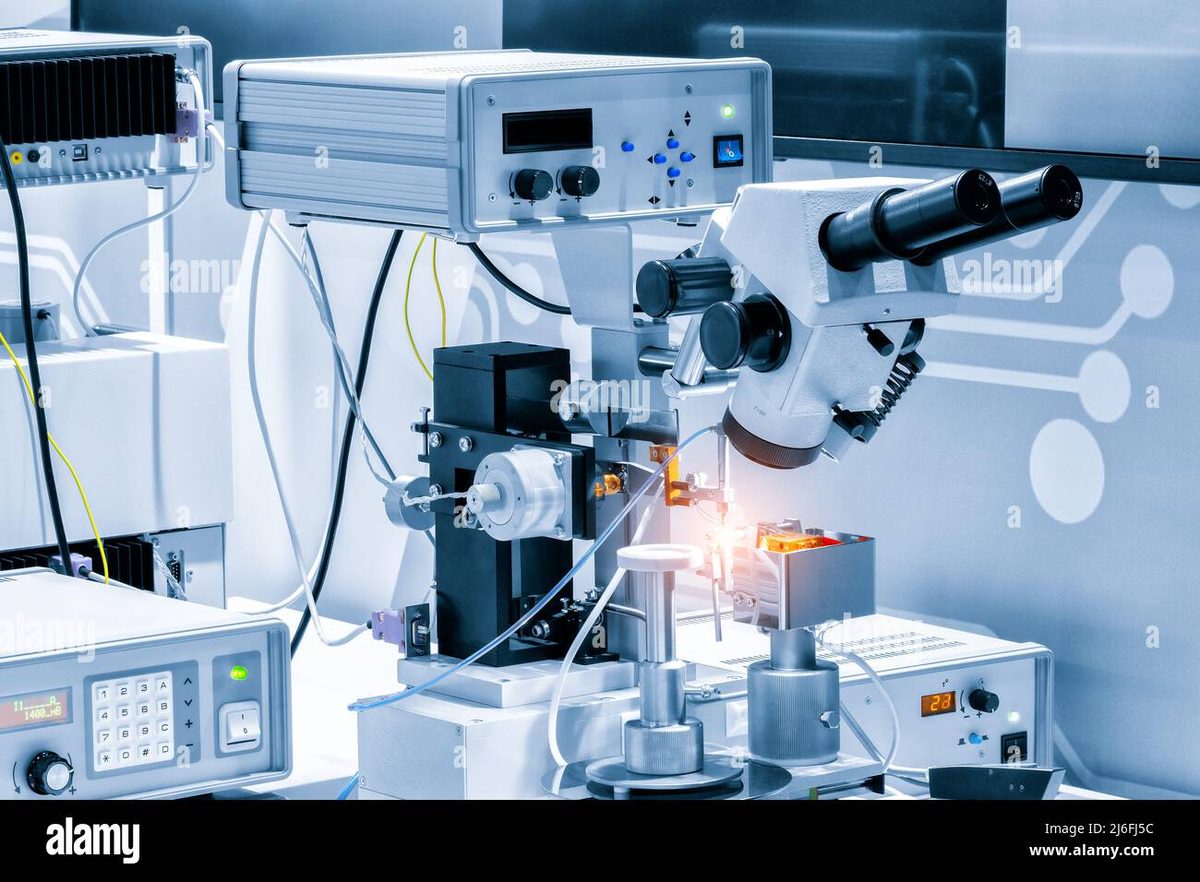






Advantest, a Japanese company most people have never heard of, just posted record quarterly sales—and its stock now moves in near-lockstep with NVIDIA's. The reason: every advanced AI chip must pass through test equipment before it ships, and Advantest controls nearly 60% of the global market for the machines that do this. As AI spending explodes, chip testing has quietly become one of the supply chain's tightest chokepoints. Yet the company faces intensifying competition: U.S. rival Teradyne is gaining ground in memory testing, and the entire semiconductor equipment sector is experiencing unprecedented demand as chipmakers race to expand capacity for AI accelerators and high-bandwidth memory.
The real story isn't just Advantest's record earnings—it's what those earnings reveal about where AI infrastructure investment is flowing, which bottlenecks are tightening, and which companies have pricing power in a supply-constrained market. Teradyne's strong Q1 2026 guidance, driven by AI-related demand in compute and memory, signals that the testing equipment market is expanding faster than any single supplier can capture. Global semiconductor equipment sales are forecast to reach $138.1 billion in 2026, with test equipment growing 5% and assembly equipment surging 15%, suggesting the AI infrastructure boom extends well beyond Advantest's dominance.