Pull to refresh
Logo
Daily Brief
Following
Why
Hard drive supply locked up through 2028 as AI buildout outpaces production

Hard drive supply locked up through 2028 as AI buildout outpaces production

New Capabilities
By Newzino Staff | |

Three companies control 97% of global HDD manufacturing. Two years of their output is already spoken for.

5 days ago: Western Digital Announces 2026 Capacity Sold Out

Overview

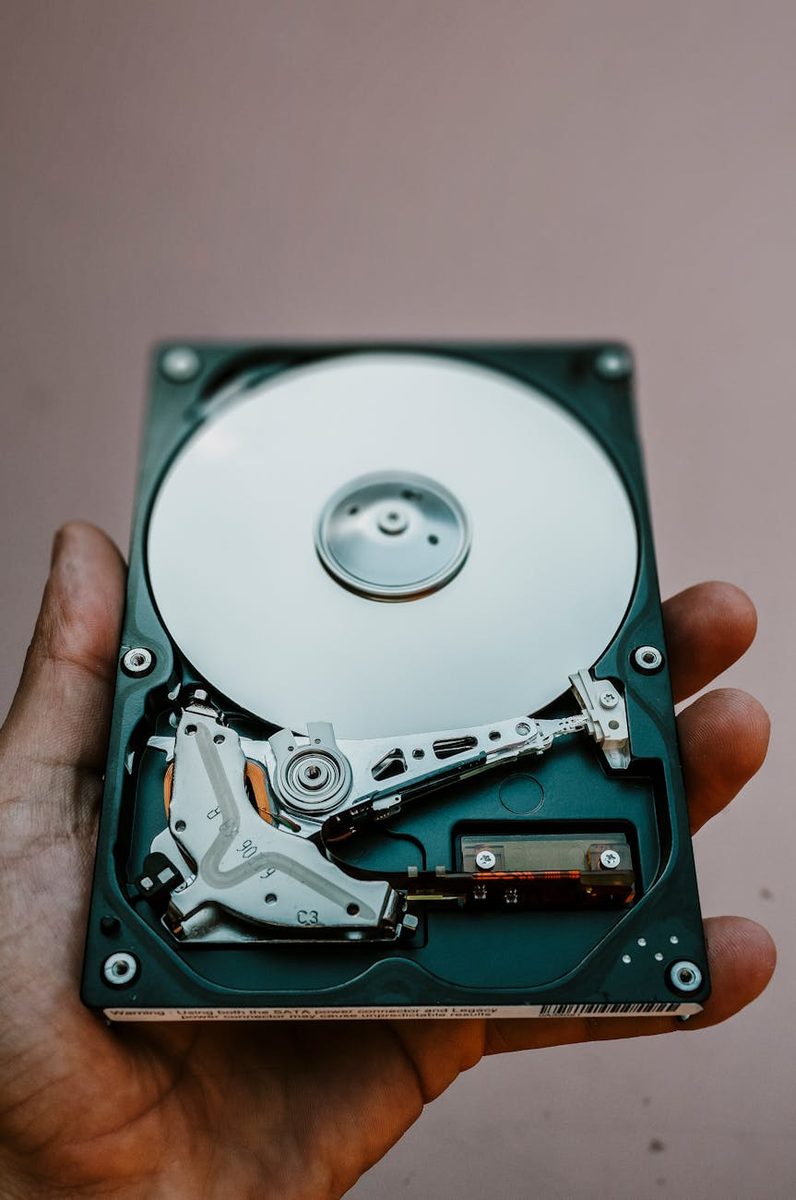
Western Digital announced on February 16, 2026, that its entire hard drive production for the year is sold out, with long-term agreements extending into 2028. This isn't a temporary squeeze: the company's top seven customers—primarily hyperscalers building AI data centers—have locked up nearly half the world's HDD supply years in advance. Lead times for enterprise drives have stretched from weeks to over 52 weeks, and prices have climbed 46% since September.

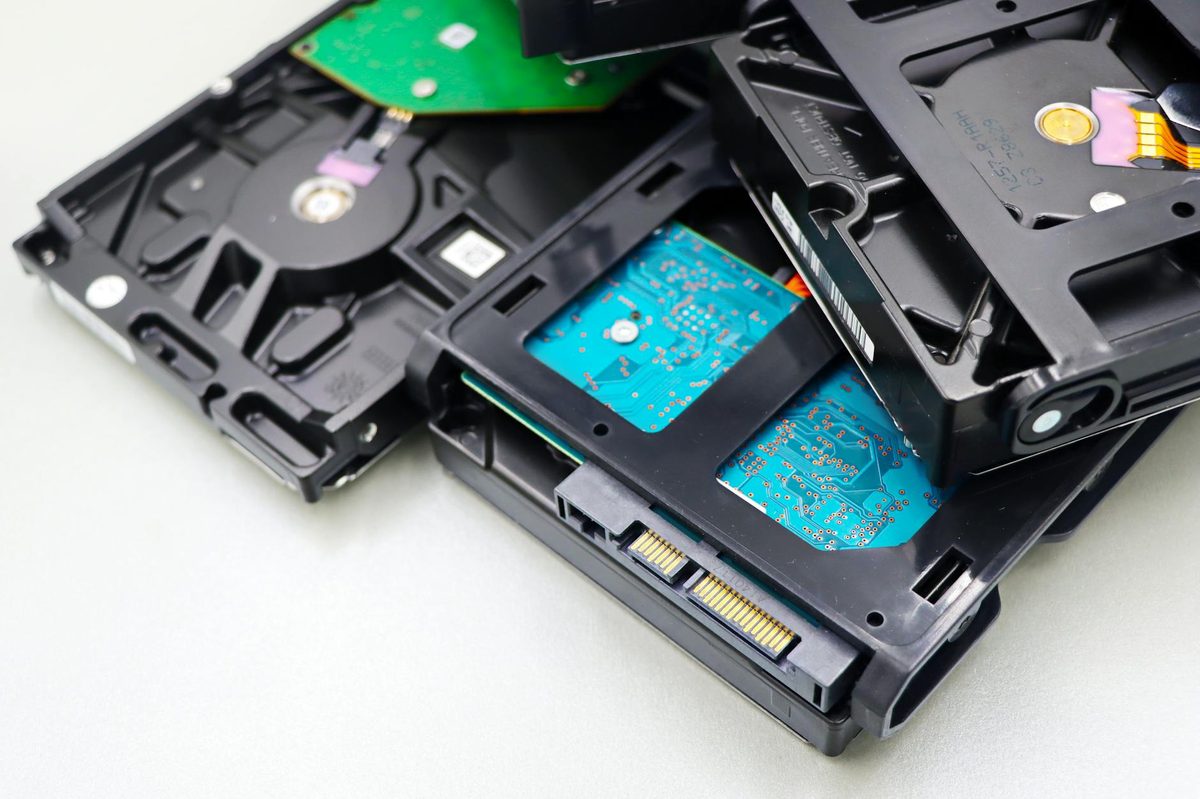
The mechanics are straightforward but punishing. Amazon, Google, Meta, and Microsoft are spending nearly $700 billion on AI infrastructure in 2026 alone, about 75% of it on AI-related equipment. Solid-state drives can't absorb the overflow because enterprise SSD prices have surged 257% in nine months. That leaves hard drives as the only affordable option for storing the massive datasets that train and run AI models. The three companies that make essentially all hard drives—Western Digital, Seagate, and Toshiba—cannot expand production fast enough. New manufacturing capacity requires years of investment, and the next-generation recording technology that could boost capacity per drive is only beginning volume production now.

Key Indicators

52+
Week Lead Times
Enterprise nearline hard drives now require over a year of advance ordering
~$690B
Hyperscaler Capex 2026
Combined infrastructure spending by Amazon, Google, Meta, Microsoft, and Oracle
257%
Enterprise SSD Price Surge
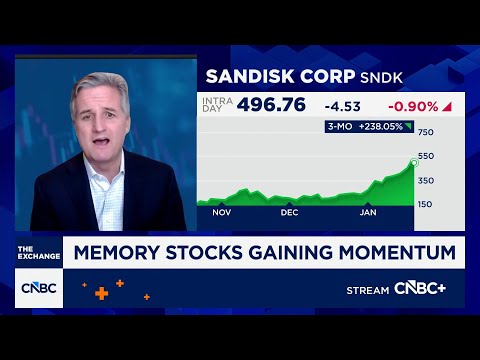
30TB TLC drives rose from approximately $3,000 to $11,000 in nine months
89%
WD Cloud Revenue Share
Western Digital's revenue from cloud customers, up from historical consumer focus
5-7
Year Grid Delays
Average wait time to connect new data centers to electrical grid in major markets

Interactive

Exploring all sides of a story is often best achieved with Play.

Benjamin Franklin

Benjamin Franklin

(1706-1790) · Enlightenment · wit

Fictional AI pastiche — not real quote.

"The great machine-minds of our age hunger so voraciously for knowledge that they have devoured the very vessels meant to contain it — proof, I think, that an insatiable appetite is no more a virtue in a calculating engine than in a man."

Ever wondered what historical figures would say about today's headlines?

Sign up to generate historical perspectives on this story.

Sign Up

Debate Arena

Two rounds, two personas, one winner. You set the crossfire.

People Involved

Irving Tan
Irving Tan
Chief Executive Officer, Western Digital (Leading pure-play HDD company through unprecedented demand surge)
Dave Mosley
Dave Mosley
Chief Executive Officer, Seagate Technology (Leading production ramp of HAMR technology drives)

Organizations Involved

Western Digital Corporation
Hard Drive Manufacturer
Status: 42% global HDD market share, sold out through 2026

One of three companies that manufacture nearly all hard drives globally, now a pure-play HDD company after spinning off its flash business in February 2025.

Seagate Technology
Seagate Technology
Hard Drive Manufacturer
Status: 40% global HDD market share, sole shipper of HAMR drives

The only hard drive manufacturer currently shipping heat-assisted magnetic recording drives, enabling industry-leading storage density.

Toshiba Corporation (Storage Division)
Hard Drive Manufacturer
Status: 18% global HDD market share

The third and smallest of the global hard drive manufacturers, controlling roughly 18% of the market.

Timeline

  1. Western Digital Announces 2026 Capacity Sold Out

    Market

    CEO Irving Tan confirms WD is sold out for calendar 2026 with firm purchase orders from top seven customers and long-term agreements extending to 2028.

  2. Meta Expands Hyperion to Nearly 4x Central Park Size

    Infrastructure

    Meta purchases 1,400 additional acres adjacent to its Hyperion site, expanding the Louisiana AI data center campus to approximately 3,650 acres total.

  3. Enterprise Software Selloff Begins

    Market

    Software sector loses approximately $300 billion in market value over three days as investors rotate capital toward AI infrastructure and away from traditional software.

  4. Amazon Announces $200 Billion Capex for 2026

    Financial

    Amazon reveals the largest single-company infrastructure spending in history, with $200 billion planned for 2026 capital expenditures, primarily for AI infrastructure.

  5. NAND Flash Prices Projected to Rise 33-38% in Q1

    Market

    TrendForce forecasts quarter-over-quarter NAND price increases of 33-38% as memory makers prioritize server applications and HBM production over consumer storage.

  6. WD Reports Cloud Revenue at 90% of Total

    Financial

    Western Digital's Q4 FY2025 results show cloud customers represent 90% of revenue, with consumer sales shrunk to 5% as hyperscaler demand dominates.

  7. Seagate Reports Record FY2025 Results

    Financial

    Seagate reports fiscal year 2025 revenue of $9.1 billion, up 30% year-over-year, with net profit jumping from $335 million to $1.47 billion.

  8. Seagate Ships First Volume HAMR Drives

    Technology

    Seagate begins shipping 30TB heat-assisted magnetic recording drives on its Mozaic 3+ platform, becoming the first manufacturer to deliver HAMR at scale.

  9. Western Digital Completes SanDisk Spinoff

    Corporate

    Western Digital officially separates its flash and SSD business into independent SanDisk Corporation, becoming a pure-play hard drive manufacturer.

  10. Stargate AI Infrastructure Project Announced

    Infrastructure

    OpenAI, SoftBank, and Oracle announce the Stargate project with a $500 billion vision for AI infrastructure, with $100 billion in initial funding and facilities in Texas.

  11. Meta Breaks Ground on Hyperion Data Center

    Infrastructure

    Meta begins construction on its $10 billion AI data center in Louisiana, initially spanning over 4 million square feet with power consumption equivalent to 4 million homes.

Scenarios

1

Shortage Persists Through 2028, Smaller Buyers Priced Out

Discussed by: TrendForce, Morgan Stanley storage analysts, Tom's Hardware

Multi-year purchase agreements with hyperscalers lock up the majority of HDD production through 2028. Smaller enterprises, managed service providers, and consumer markets face sustained shortages and elevated prices. PC OEMs cut SSD specifications and pass through costs to consumers. The three-company oligopoly structure prevents rapid capacity expansion, and grid interconnection delays slow new data center construction, stretching the supply-demand imbalance further.

2

HAMR Technology Breakthrough Eases Supply Constraints

Discussed by: Seagate investor relations, storage industry analysts

Seagate's Mozaic 4+ platform delivers 40TB drives at scale in mid-2026, with Western Digital's HAMR entry following in late 2026. Higher areal density means fewer drives needed per exabyte, partially offsetting demand growth. By 2027-2028, 50TB drives become available, effectively increasing capacity from existing manufacturing lines and gradually rebalancing supply and demand.

3

AI Infrastructure Spending Pullback Creates Overcapacity

Discussed by: Morgan Stanley, Bank of America, industry skeptics

Hyperscaler free cash flow turns sharply negative as $700 billion in annual capex fails to generate proportional AI revenue. A retrenchment similar to post-dot-com or post-Chia 2021 dynamics unfolds. Purchase agreements are renegotiated or cancelled. HDD manufacturers face the same overcapacity crisis that plagued them in the 2015-2020 period, with margins collapsing and consolidation pressure returning.

4

Grid Constraints Become Primary Bottleneck

Discussed by: Camus Energy, data center developers, utility analysts

With 5-7 year grid interconnection delays in major markets and a 2,600 GW backlog in the U.S. queue, data center construction slows regardless of storage availability. This inadvertently relieves HDD pressure as the rate-limiting factor shifts from storage manufacturing to electrical infrastructure. Prices stabilize but below peak levels, and the storage shortage becomes a secondary concern behind power availability.

Historical Context

Thailand Floods (2011)

October-November 2011

What Happened

Severe flooding in Thailand's industrial heartland inundated Western Digital's Bang Pa-In factory and numerous component suppliers. Thailand assembled approximately 40% of the world's hard drives. Hard drive prices nearly tripled overnight, with average HDD prices jumping 30% in a single quarter.

Outcome

Short Term

Western Digital's first drive rolled off the line 46 days after the flood, but full capacity took months to restore. Global PC shipments declined as manufacturers couldn't source drives.

Long Term

Manufacturers diversified supply chains and built inventory buffers. The incident demonstrated that concentrated manufacturing creates systemic fragility—a lesson now being relearned as three companies control 97% of global HDD production.

Why It's Relevant Today

The 2011 shortage was supply-driven (factory damage) while the 2026 shortage is demand-driven (AI buildout). Both illustrate how the HDD market's concentrated structure amplifies disruptions. Unlike 2011's recovery within months, current demand projections suggest multi-year constraints.

Chia Cryptocurrency HDD Shortage (2021)

April-July 2021

What Happened

Chia, a cryptocurrency using proof-of-storage instead of proof-of-work, triggered panic buying of hard drives. Network storage grew from 600 petabytes to 10 exabytes in one month. High-capacity drives (12TB+) saw prices spike 59% and sold out across major retailers in Asia and North America.

Outcome

Short Term

Prices spiked within weeks as speculators and miners depleted retail inventory. Consumer buyers faced months of shortages for high-capacity drives.

Long Term

The shortage collapsed as quickly as it emerged. When Chia's value dropped and mining became unprofitable, drives flooded the secondary market. Prices normalized within months.

Why It's Relevant Today

The contrast is instructive: Chia buyers were speculators who disappeared when returns vanished. The 2026 buyers are Microsoft, Google, Amazon, and Meta with purchase orders through 2028, building physical infrastructure. This demand is structural, not speculative.

NAND Flash Crisis (2016-2018)

Mid-2016 to Early 2018

What Happened

Simultaneous smartphone storage upgrades, data center expansion, and the transition from 2D to 3D NAND created an 18-month shortage. SSD prices rose 10-15%, and NAND suppliers exhausted their chip reserves. Inability to source SSDs pushed buyers back to HDDs, but HDD manufacturers had reduced capacity during years of declining consumer demand.

Outcome

Short Term

PC and smartphone manufacturers faced component shortages and margin pressure. Some delayed product launches or reduced storage specifications.

Long Term

Memory manufacturers invested heavily in 3D NAND capacity. By late 2018, oversupply caused prices to collapse. The cycle demonstrated memory's boom-bust nature and the risks of capacity planning based on short-term demand signals.

Why It's Relevant Today

The current crisis combines elements of this shortage—simultaneous pressure on NAND and HDD—but at larger scale. Enterprise SSD prices up 257% and HDD lead times over 52 weeks suggest the 2026 crunch is more severe than the 2016-2018 episode.

15 Sources: