


November 1926
Village of Euclid v. Ambler Realty (1926)
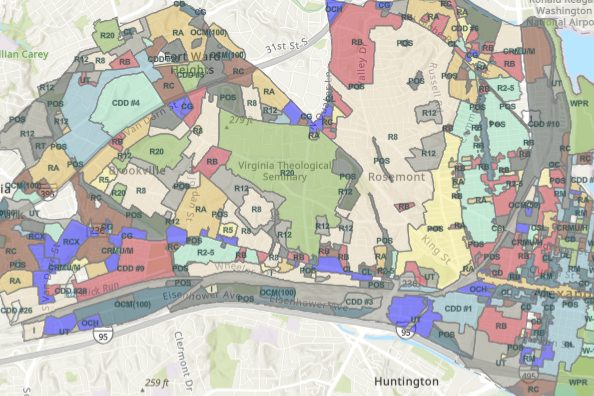
The Supreme Court upheld the constitutionality of zoning in a challenge to Euclid, Ohio's ordinance. The case established that zoning is a valid exercise of a city's police power to protect public health, safety, and welfare.
Then
Euclid's zoning stood, and cities across the country gained confidence to adopt zoning codes.
Now
Zoning became standard in American municipalities, and nearly all codes built in a variance mechanism for hardship cases.
Why this matters now
The variance process the Helmreichs are using exists because Euclid gave cities the power to zone and then had to offer an escape hatch for individual hardship.