
Pull to refresh
Logo
Animals win at the ballot box in 2026 midterms

Animals win at the ballot box in 2026 midterms

Rule Changes

D.C. and Denver ban foie gras, Colorado rejects a hunting amendment, and two pro-factory-farm lawmakers lose.

Overview

Updated 2 hours ago

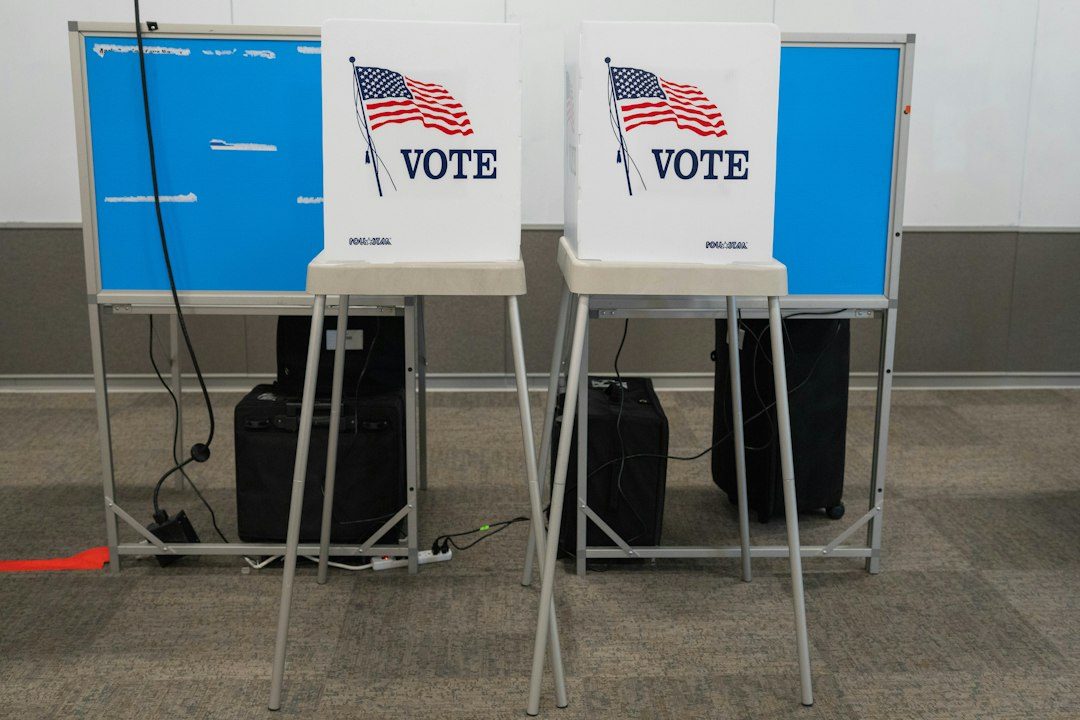
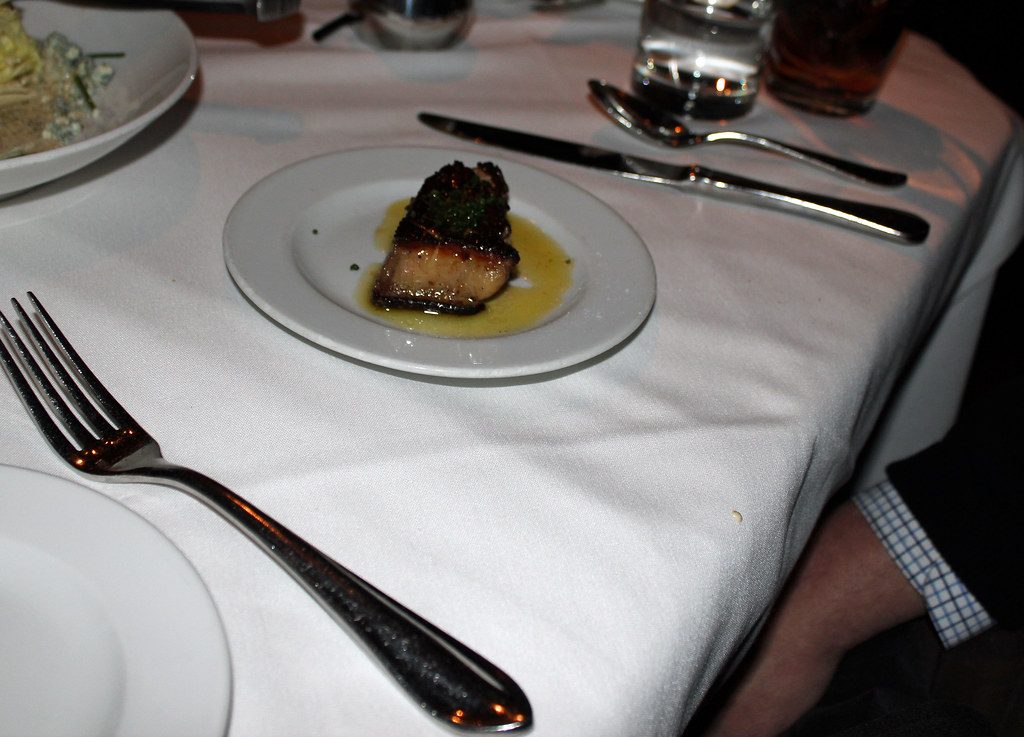
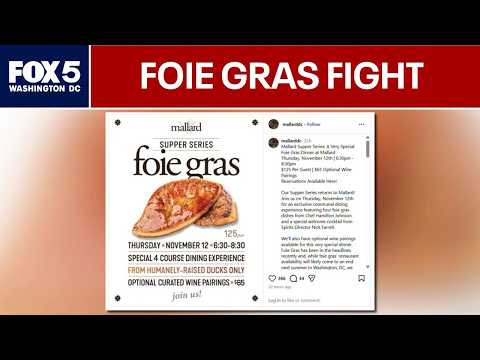
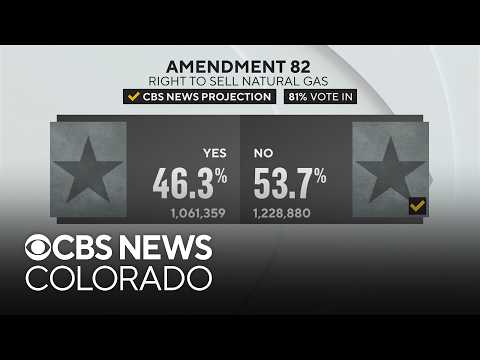
Voters in Washington, D.C., and Denver approved bans on foie gras, the duck liver made by force-feeding birds, in the November 3 midterm elections. Colorado voters rejected a constitutional amendment that would have protected hunting and fishing by 'traditional methods,' which opponents said could reopen banned practices like poisoning and leg-hold traps.

The same election removed two congressional Republicans who had pushed to overturn state farm animal welfare laws. With Democrats winning control of Congress, animal welfare groups see a narrower path for the pork industry to undo those laws, though legal challenges to the foie gras bans are already being prepared.

Why it matters

The votes show animal welfare can win at the ballot box even as factory-farming interests fight state laws in court and Congress.

Questions about this story

Free account needed to ask — your question is kept and asked for you right after sign-up. Answers are public.

No questions yet — be the first to ask.

Key Indicators

73%
D.C. support for Initiative 86
Share of D.C. voters backing the foie gras ban, with more than 169,753 votes cast.
67%
Denver support for Ordinance 311
Share of Denver voters approving the foie gras production and sales ban, according to updated results.
55%
Colorado voters rejecting Amendment 83
Share opposing the constitutional right to hunt and fish by 'traditional methods.'
2
Pro-pork-industry lawmakers defeated
Senator Roger Marshall and Representative Ashley Hinson lost their reelection bids.
$314,000
Estimated D.C. enforcement cost
D.C.'s chief financial officer estimated implementation over four fiscal years.
31,726
Valid signatures for D.C. Initiative 86
Signatures collected by Pro-Animal DC to qualify the measure for the ballot.

Voices

Curated perspectives — historical figures and your fellow readers.

Sign up to generate historical perspectives on this story.

People Involved

Organizations Involved

Timeline

2019 November 2026

10 events Latest: 4 days ago
Tap a bar to jump to that date
  1. Vox publishes analysis of animal welfare wins

    Latest Media

    Analysis links ballot wins to Democratic control of Congress.

  2. Results confirm Colorado and Denver outcomes

    Election

    Colorado rejects Amendment 83 55-45; Denver passes Ordinance 311 67-33.

  3. D.C. voters approve Initiative 86

    Election

    About 73 percent back ban on force-feeding birds and foie gras sales.

  4. Denver voters approve Ordinance 311

    Election

    About 67 percent back ban on foie gras production and sale.

  5. Colorado voters reject Amendment 83

    Election

    55 percent oppose enshrining a right to hunt and fish by 'traditional methods.'

  6. Hinson and Marshall lose reelection

    Election

    Two congressional champions of overturning state farm animal welfare laws are defeated.

  7. Rutinel defeats Evans in Colorado's Eighth District

    Election

    Pro-animal-welfare state lawmaker wins competitive U.S. House race.

  8. New York City bans foie gras sales

    Policy

    The ban is later stalled by litigation from producers.

Scenarios

1

Hudson Valley Foie Gras sues D.C. over foie gras ban

Likely Resolves by Jul 1, 2027

Discussed by: Hudson Valley Foie Gras vice president Marcus Henley and Axios

Henley said before the vote that he was already working with lawyers. A lawsuit would likely argue D.C. cannot regulate sales by an out-of-state farmer. The case could delay enforcement, as similar litigation did in New York City.

2

D.C. fails to fund foie gras ban by July 2027

Possible Resolves by Jul 1, 2027

Discussed by: Axios, citing D.C.'s chief financial officer

The ban is set to take effect July 1, 2027, but only if the city funds enforcement. The CFO estimated $314,000 over four fiscal years, money not currently budgeted. Without funding, the ban may not be enforced.

3

Congress overturns state farm animal welfare laws

Unlikely Resolves by End of 2027

Discussed by: Vox and pork industry advocates

The pork industry has pushed the Save Our Bacon Act to block state laws like California's Proposition 12 and Massachusetts' cage ban. With Democrats winning control of Congress, that path narrows. The bill could still move through must-pass legislation.

Historical Context

3 moments from history that rhyme with this story — and how they unfolded.

2012

California foie gras ban (2012)

California banned the sale of foie gras produced by force-feeding. Producers sued, arguing the law violated interstate commerce. The case went to the Supreme Court.

Then

The ban took effect, was briefly blocked, then enforced.

Now

In 2023 the Supreme Court declined to hear the producers' challenge, leaving the ban in place.

Why this matters now

Shows that foie gras bans can survive legal challenges, but only after years of litigation.

2019

New York City foie gras ban (2019)

New York City banned foie gras sales. Hudson Valley Foie Gras and La Belle Farm sued, and the ban was stalled for years.

Then

A New York appeals court sided with the city in March 2026.

Now

Producers sought further review in July 2026, so the ban is still not fully settled.

Why this matters now

D.C. is likely to face the same playbook.

2016-2018

Massachusetts and California farm animal confinement laws (2016-2018)

Massachusetts voters banned small cages for egg-laying hens and pregnant pigs in 2016. California voters passed a nearly identical law in 2018. Both laws also bar sales of eggs and pork from animals kept in those cages, regardless of where they were raised.

Then

The pork industry fought the laws in Congress.

Now

The Save Our Bacon Act would overturn them, but it has not passed.

Why this matters now

Explains why the defeats of Hinson and Marshall matter.

Sources

(7)