

Pull to refresh
Logo
Antarctica's record ice gain traced to tropical ocean warming

Antarctica's record ice gain traced to tropical ocean warming

New Capabilities

A 695-billion-ton snowfall anomaly between 2021 and 2023 was driven by a tropical–polar teleconnection, not global warming.

2 days ago: Finding publicized widely

Overview

Updated 1 hour ago

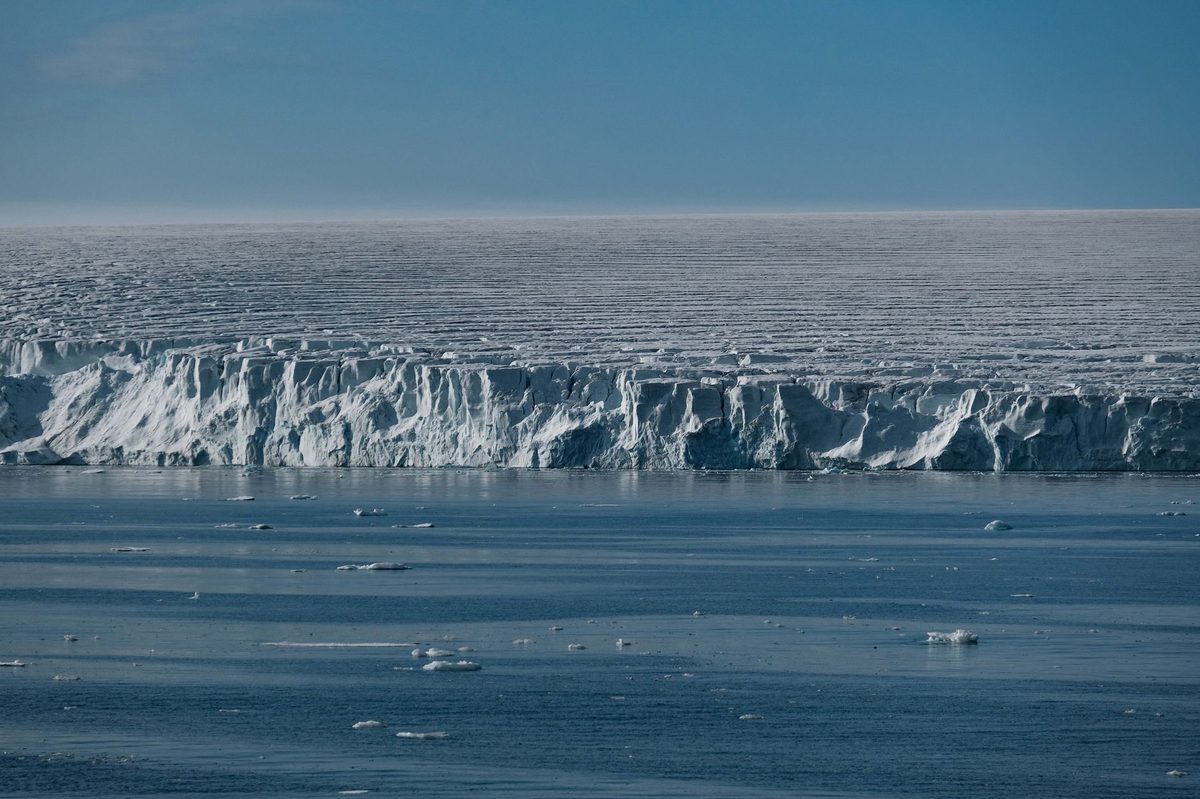
Between July 2021 and April 2023, East Antarctica gained roughly 695 billion tons of ice, the largest 22-month mass gain in two decades. The gain briefly paused a decline that had been losing about 140 billion tons per year since 2003.

A study published in Nature traced the cause to a warm patch of tropical ocean thousands of miles away. Sustained warming in the tropical warm pool sent an atmospheric wave train toward the pole, creating a high-pressure system over East Antarctica that funneled Indian Ocean moisture into heavy snowfall. Global warming contributed only about 9% of the snowfall anomaly, and the authors say the gain was temporary, not a reversal of the ice sheet's long-term decline.

Why it matters

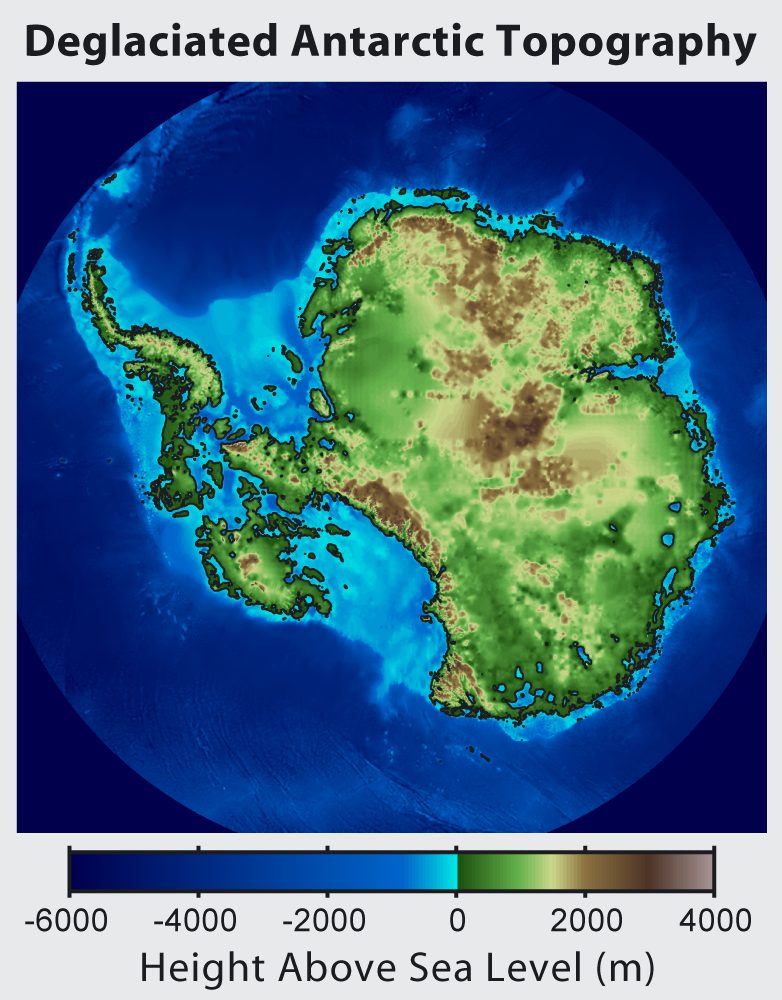
The Antarctic Ice Sheet holds enough ice to raise seas 58 meters. Whether recent gains are a blip or a trend shapes every coastal projection.

Questions about this story

Free account needed to ask — your question is kept and asked for you right after sign-up. Answers are public.

No questions yet — be the first to ask.

Key Indicators

695 billion tons
Ice mass gained July 2021–April 2023
Largest 22-month Antarctic mass gain in two decades, per GRACE satellite data.
140.5 Gt/yr
Long-term Antarctic mass loss rate (2003–2024)
Sustained decline that the 2021-2023 gain temporarily offset.
9%
Snowfall anomaly from anthropogenic forcing
Global warming was not the primary driver of the event.
~68%
of gain in Queen Mary Land–Wilkes Land
470 billion tons of the continent-wide total accumulated there.

Voices

Curated perspectives — historical figures and your fellow readers.

Ever wondered what historical figures would say about today's headlines?

Sign up to generate historical perspectives on this story.

Play

Exploring all sides of a story is often best achieved with Play.

Most of these play right now — no account needed. Sign up to save scores, keep a streak, and unlock Debate and Predict. Log in Sign Up
Predict 3 ways this could play out. Back the one you believe — contrarian picks score more when a scenario has a resolution date. Log in to play

People Involved

Organizations Involved

Timeline

January 2003 September 2026

5 events Latest: 2 days ago
Tap a bar to jump to that date
  1. Finding publicized widely

    Latest News

    Chinese Academy of Sciences and ScienceDaily publicize the finding to broad audiences.

  2. Nature publishes mechanism study

    Study

    Researchers trace mass gain to tropical warm pool warming and its polar teleconnection.

  3. Mass gain peaks at 695 billion tons

    Anomaly

    Anomaly peaks at 695 billion tons gained over 22 months, then fades.

  4. Mass gain episode begins

    Anomaly

    East Antarctica starts accumulating ice at an exceptional rate from heavy snowfall.

  5. Satellite gravimetry era begins

    Monitoring

    GRACE satellites begin tracking Antarctic mass, showing sustained loss through 2024.

Historical Context

3 moments from history that rhyme with this story — and how they unfolded.

1979-2014

Antarctic sea ice expansion (1979-2014)

Antarctic sea ice expanded for decades even as the planet warmed, a counterintuitive regional trend driven by winds and ocean circulation rather than a sign global warming had reversed.

Then

Led some to question whether Antarctic ice was responding to warming at all.

Now

The trend collapsed in 2016-17 to record-low sea ice, confirming it was regional variability, not a lasting reversal.

Why this matters now

Like the recent ice mass gain, a regional anomaly that complicates the simple narrative of Antarctic decline without reversing its long-term trajectory.

1997-1998

El Niño's global reach (1997-98)

One of the strongest El Niño events on record warmed the tropical Pacific and, through atmospheric wave trains, reshaped weather from North America to Asia, producing floods, droughts, and storms thousands of miles from the ocean anomaly.

Then

Caused tens of billions of dollars in damages worldwide.

Now

Established how tropical ocean warmth projects influence across hemispheres, the same mechanism at work in Antarctica.

Why this matters now

The Antarctic mass gain is a longer-lived, polar version of the same tropical-to-extratropical atmospheric teleconnection.

2016-2020

Antarctic mass loss slowdown (2016-2020)

After losing mass at a near-linear rate since about 2000, the Antarctic Ice Sheet's net loss began slowing in 2016, and satellite gravimetry showed net mass gains from 2020 even as discharge from outlet glaciers accelerated.

Then

Slowed Antarctica's contribution to sea level rise for several years.

Now

Showed that accumulation-driven pauses can mask ongoing dynamic ice loss from fast-flowing glaciers.

Why this matters now

The 2021-2023 gain is a sharper, bigger version of the same phenomenon: a temporary accumulation anomaly, not a change in the ice sheet's trajectory.

Sources

(8)