


Pull to refresh
Logo
Appeals court backs finding Trump colluded with IRS in tax lawsuit

Appeals court backs finding Trump colluded with IRS in tax lawsuit

Rule Changes

Eleventh Circuit declines to freeze collusion finding while Trump appeals sanctions

2 days ago: Eleventh Circuit denies stay

Overview

Updated Yesterday

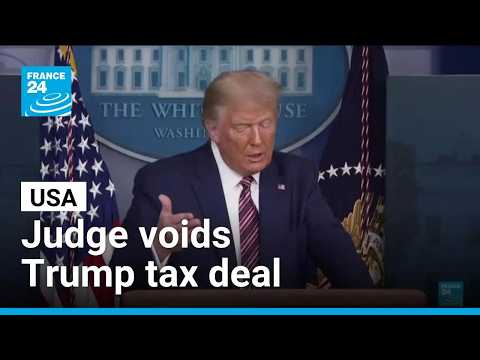
Trump, two of his sons, and the Trump Organization filed a $10 billion suit against the IRS on January 29, 2026, over a contractor's leak of his tax returns. Within weeks the case was dismissed, and the parties announced a settlement that released federal claims against Trump's family and created a $1.776 billion fund.

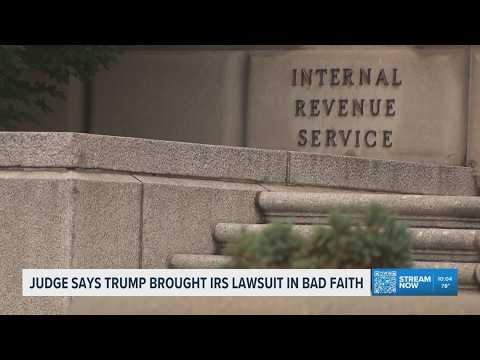
A federal judge concluded the whole exercise was collusive. His lawyers sought to pause her sanctions while they appeal, and a three-judge Eleventh Circuit panel refused on September 29, ruling they had not shown they were likely to win. The finding and the sanctions stand for now.

Why it matters

The case tests whether a president can manufacture a lawsuit and settlement that erases federal claims against his own family.

Questions about this story

Free account needed to ask — your question is kept and asked for you right after sign-up. Answers are public.

No questions yet — be the first to ask.

Key Indicators

$10B
Damages sought
Trump's lawsuit asked for at least $10 billion.
$1.776B
Settlement fund
The Treasury agreed to fund this sum under the disputed settlement.
35
Former federal judges who flagged collusion
They moved to reopen the case, calling the settlement a fraud on the court.
2
Lawyers sanctioned
Brito referred to the Florida Bar; Epstein barred from the Southern District of Florida.

Voices

Curated perspectives — historical figures and your fellow readers.

Ever wondered what historical figures would say about today's headlines?

Sign up to generate historical perspectives on this story.

People Involved

Organizations Involved

Timeline

January 2026 September 2026

4 events Latest: 2 days ago
Tap a bar to jump to that date
  1. Alleged settlement reached

    Settlement

    $1.776 billion fund plus release of government claims against Trump's family and businesses.

Scenarios

1

11th Circuit affirms collusion finding

Possible Resolves by Q1 2027

Discussed by: Legal analysts covering the case in Politico, CNBC, and The Hill

If the appeal fails, Judge Williams' order stands: the settlement cannot be cited in any official proceeding, Brito faces Florida Bar discipline, and Epstein's bar from the Southern District remains. The former judges' motion to reopen the case would then likely succeed, voiding the settlement.

2

Appeals court reverses the sanctions

Possible Resolves by Q2 2027

Discussed by: Trump's counsel, who argue the district court had no basis for the finding

The 11th Circuit could find Williams applied the wrong standard or overstepped her authority. The sanctions would fall, and Trump could again cite the settlement as a legitimate resolution of the case.

3

District court reopens the case and voids the settlement

Possible Resolves by Q3 2027

Discussed by: The 35 former federal judges who filed the motion to reopen

Judge Williams has not yet ruled on the former judges' request to set aside the dismissal. If she grants it, the suit resumes on the merits or is dismissed on its substance, and the settlement has no force.

Historical Context

2 moments from history that rhyme with this story — and how they unfolded.

1911

Muskrat v. United States (1911)

Congress passed a law to put Cherokee allotment and pension changes before the Supreme Court, with actual Indian claimants as parties, seeking a ruling on constitutionality. The Court refused to hear it, holding there was no real controversy because the parties were aligned.

Then

The Court dismissed the suits for want of jurisdiction, confirming federal courts only decide disputes between genuinely adverse parties.

Now

It established that test cases and collusive suits are not justiciable, a cornerstone of standing doctrine.

Why this matters now

Judge Williams applied the same principle, finding Trump's suit had no adversity because he controls the defendant agencies.

1943

United States v. Johnson (1943)

A District of Columbia landlord and a tenant, both wanting the Emergency Price Control Act's rent ceiling struck down, litigated a test case to the Supreme Court. The Court discovered the landlord was paying the tenant's lawyers and dismissed the appeal.

Then

The Court held there was no actual controversy and that the landlord was not genuinely adverse to the tenant's interest.

Now

Johnson is the leading precedent that a suit is not justiciable when the parties collude to produce a friendly result.

Why this matters now

Here, Williams found Trump controlled the IRS and Treasury, so the two sides never had genuinely opposing interests, the same flaw as in Johnson.

Sources

(5)