
1892
United States v. Ballin (1892)
The House passed a tariff bill while two seats were vacant. The Supreme Court considered whether the chamber had a quorum, since some members were present but did not vote, and whether the Speaker could count them.
Then
The Court upheld the law, ruling that a quorum means members actually assembled in the chamber, not merely members eligible to attend.
Now
Ballin became the standard citation for the proposition that each chamber sets its own rules but cannot redefine constitutional terms like quorum or presence.
Why this matters now
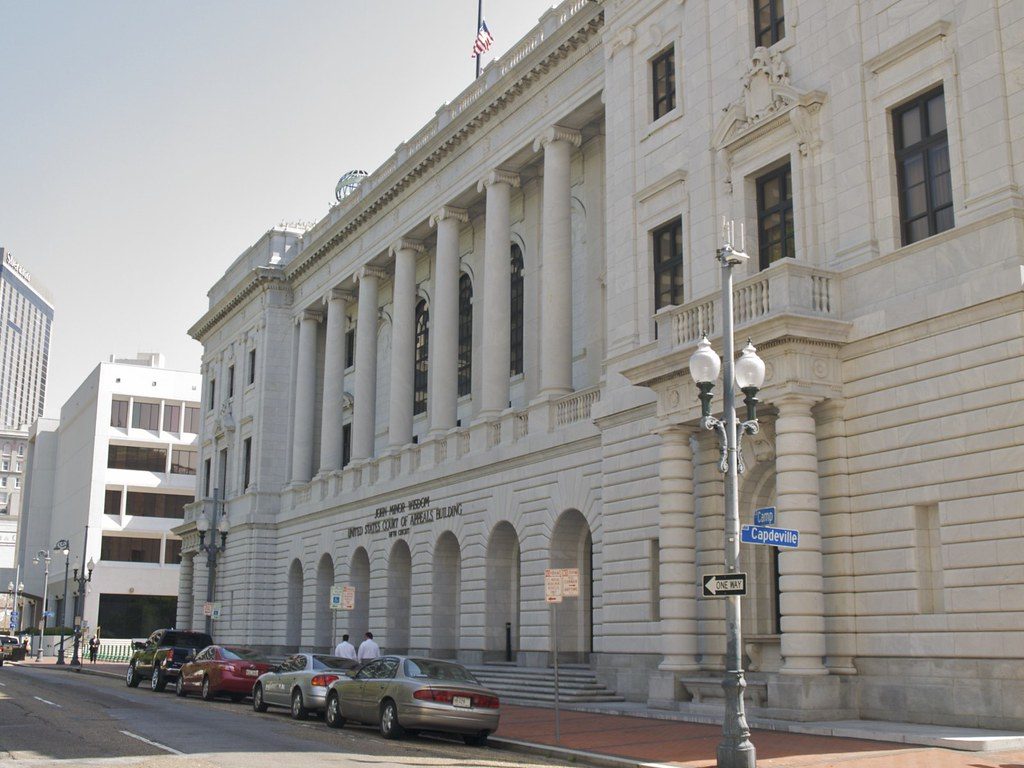
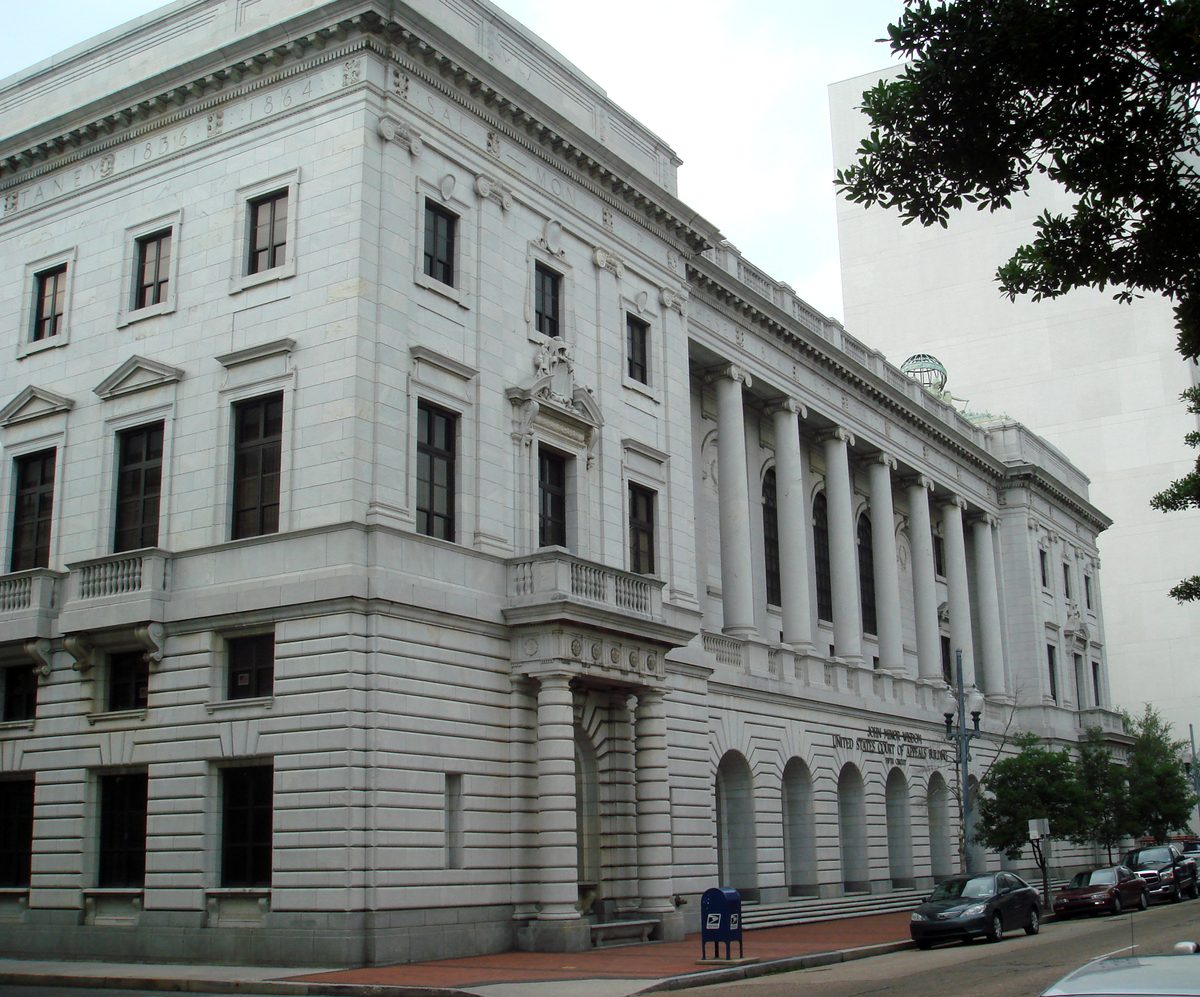
The Fifth Circuit majority treats Ballin as the controlling statement that a quorum requires members to be present, not recorded as present by proxy.