


Pull to refresh
Logo
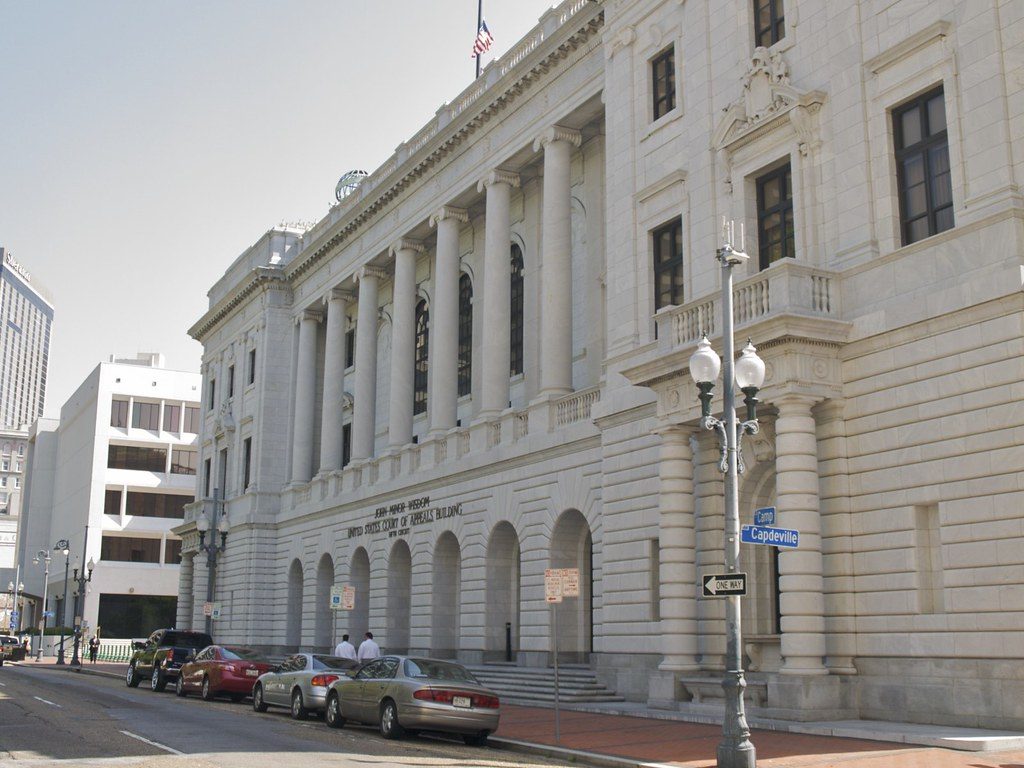
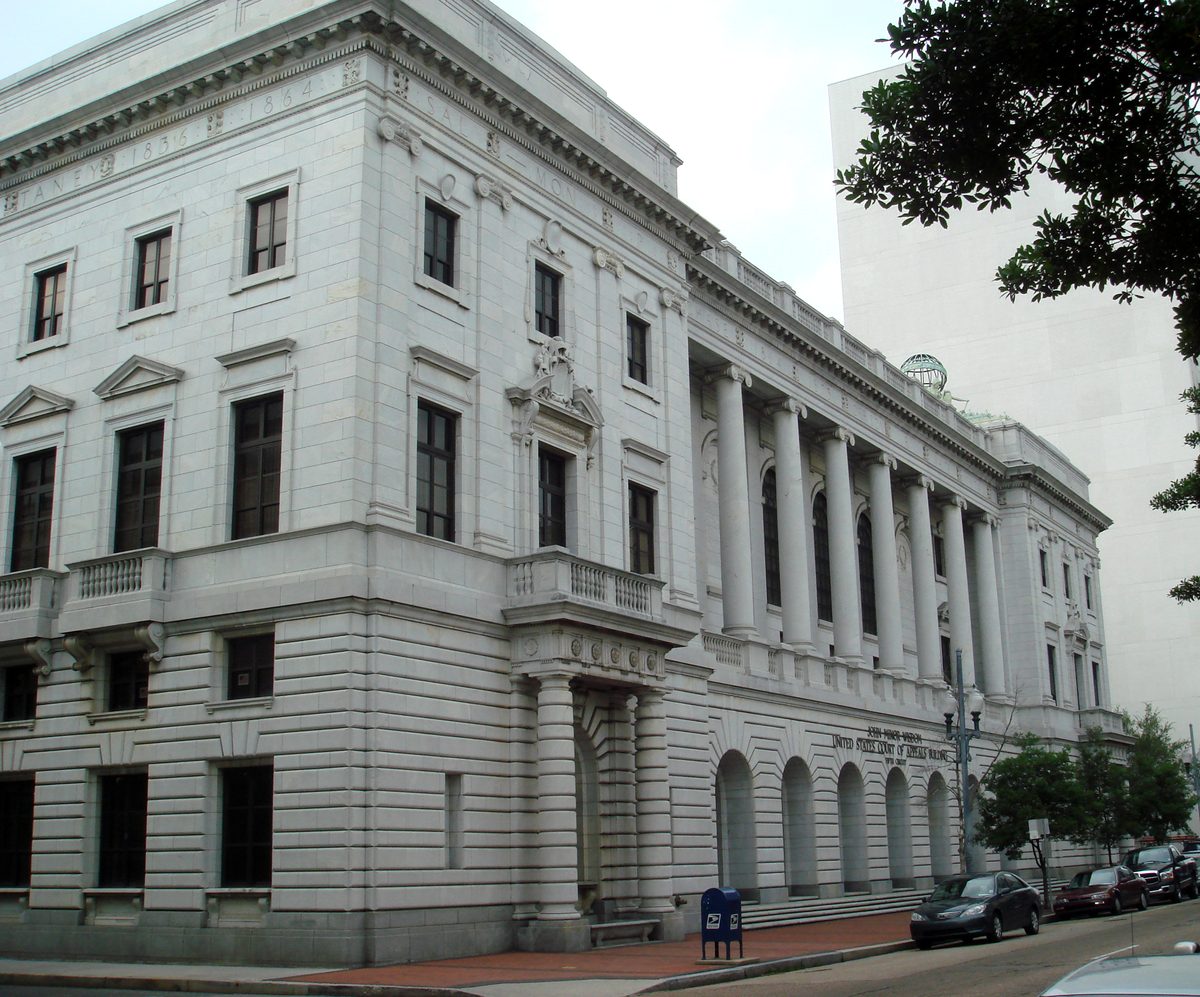
Fifth Circuit rules House proxy quorum counts unconstitutional

Fifth Circuit rules House proxy quorum counts unconstitutional

Rule Changes

A 9-8 en banc majority says members recorded by proxy were not 'present,' leaving the Pregnant Workers Fairness Act unenforceable against Texas and raising questions about every law passed under the 2020 pandemic rule.

Overview

Updated 55 minutes ago

The House passed a $1.7 trillion spending package on Dec. 23, 2022, by a vote of 225 to 201. Of the 427 members who recorded a vote, 226 did it by proxy, so fewer than half the chamber was physically present when the bill passed.

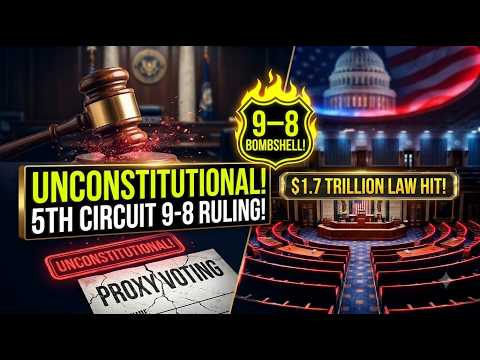
On Nov. 20, 2026, the full Fifth Circuit ruled 9-8 that those proxy members could not be counted toward the constitutional quorum. The immediate result is narrow: the Pregnant Workers Fairness Act cannot be enforced against Texas. The reasoning reaches further, because it lets a court examine how Congress took attendance when it passed a law.

Why it matters

A federal appeals court has ruled that how Congress takes attendance can invalidate a statute — a question now headed for the Supreme Court.

Questions about this story

Free account needed to ask — your question is kept and asked for you right after sign-up. Answers are public.

No questions yet — be the first to ask.

Key Indicators

9–8
En banc vote
Nine judges joined the majority; eight dissented.
226
Members who voted by proxy on the 2022 omnibus
A majority of the House cast its vote and recorded its presence remotely.
427
Members who recorded a vote
Four seats were vacant at the time of the vote.
$1.7 trillion
Size of the Consolidated Appropriations Act of 2023
The omnibus carried the Pregnant Workers Fairness Act among its provisions.
15+
Employees an employer needs for the PWFA to apply
The law requires reasonable accommodations for pregnancy and childbirth.

Voices

Curated perspectives — historical figures and your fellow readers.

Sign up to generate historical perspectives on this story.

People Involved

Organizations Involved

Timeline

May 2020 November 2026

8 events Latest: Yesterday
Tap a bar to jump to that date
  1. President signs the package, enacting the PWFA

    Legislation

    The pregnancy-accommodation law takes effect six months later.

  2. House passes $1.7 trillion omnibus with proxy quorum

    Legislation

    Vote is 225-201; 226 of 427 voting members cast theirs by proxy.

  3. 117th Congress keeps the proxy rule

    Rule Change

    H. Res. 8 retains proxy presence for quorum counts.

  4. House adopts proxy voting for the pandemic

    Rule Change

    H. Res. 965 lets an absent member record presence through a designated proxy.

Scenarios

1

Supreme Court agrees to hear the quorum case

Likely Resolves by Q2 2027

Discussed by: Bloomberg Law and Reuters, both of which reported the decision is certain to be appealed

The losing side must file a petition for certiorari within 90 days of the Nov. 20 judgment, a deadline that falls around Feb. 18, 2027. A grant would put the Quorum Clause before the Supreme Court for the first time since 1892, and the Court would decide whether the question is reviewable at all before reaching the merits.

2

Supreme Court reverses the Fifth Circuit and upholds proxy quorum counts

Possible Resolves by Q2 2028

Discussed by: Reason's Volokh Conspiracy, which questioned whether the Quorum Clause is justiciable and doubted the ruling would survive

A reversal could rest on the political question doctrine, on the enrolled-bill rule, or on a reading of the Quorum Clause that leaves quorum determination to each chamber. Any of the three would restore the PWFA against Texas employers and close off challenges to other provisions of the 2022 omnibus.

3

Ruling survives appeal but stays limited to Texas

Possible Resolves by Q2 2028

Discussed by: The en banc majority, which stated its judgment extends no further than the relief the trial court awarded

If the Supreme Court denies review or affirms, the injunction covers only enforcement of the PWFA against the State of Texas as an employer. The omnibus's other provisions, and the law's application to private employers in the three states of the Fifth Circuit, would stay in place absent separate suits.

4

New suits target other provisions of the 2022 spending package

Uncertain Resolves by End of 2027

Discussed by: Law360 and Bloomberg Law, which noted the ruling could lead to other challenges to the fiscal 2023 package

The holding supplies a template: any party regulated by a provision of the Consolidated Appropriations Act of 2023 could argue that the law was never validly passed. The majority tried to foreclose this by noting that the enrolled-bill rule still bars fact disputes, but a regulated employer in Texas, Louisiana or Mississippi could test it.

Historical Context

3 moments from history that rhyme with this story — and how they unfolded.

February 1892

United States v. Ballin (1892)

A tariff bill passed the House 138 to 112, and opponents argued no quorum existed because members in the chamber had not voted. The Supreme Court upheld the House's own rule for counting them, holding that each chamber judges whether a quorum is present and that the Constitution requires only that a majority be present.

Then

The tariff stood and the House's authority over its own quorum determination went largely unchallenged.

Now

Ballin became the baseline precedent on the Quorum Clause and is now cited by both sides in the proxy dispute.

Why this matters now

The Fifth Circuit majority read Ballin as resting on physical presence, while critics say the decision deferred to the chamber's rules — the opposite conclusion.

June 1969

Powell v. McCormack (1969)

The House voted to exclude Adam Clayton Powell Jr. from the seat New York voters had given him, citing misconduct. Powell sued, and the Speaker argued that Article I, Section 5 made the House the sole judge of its members.

Then

The Supreme Court ruled it could review the exclusion and ordered that Powell be seated and paid back salary.

Now

The decision established that not every internal House decision is beyond judicial review.

Why this matters now

It frames the threshold question in the proxy case: whether a court may examine how the House conducts its own business under Article I.

June 1983

INS v. Chadha (1983)

The Supreme Court struck down the one-house legislative veto, ruling that Congress could not give itself a shortcut around the Constitution's requirements for making law. The decision invalidated provisions across hundreds of statutes.

Then

Congress had to rewrite oversight arrangements that had relied on single-chamber vetoes.

Now

The case became the standard example of courts enforcing procedural rules on how Congress legislates.

Why this matters now

It is the clearest precedent that the Constitution's lawmaking requirements are judicially enforceable, which is the premise the Fifth Circuit's majority relied on.

Sources

(9)