
Pull to refresh
Logo
Swiss glaciers lose 5% of volume after record heatwaves

Swiss glaciers lose 5% of volume after record heatwaves

Built World

Second-worst melt year on record follows low-snow winter and summer heatwaves

2 days ago: GLAMOS reports 5.5% glacier volume loss

Overview

Updated 1 hour ago

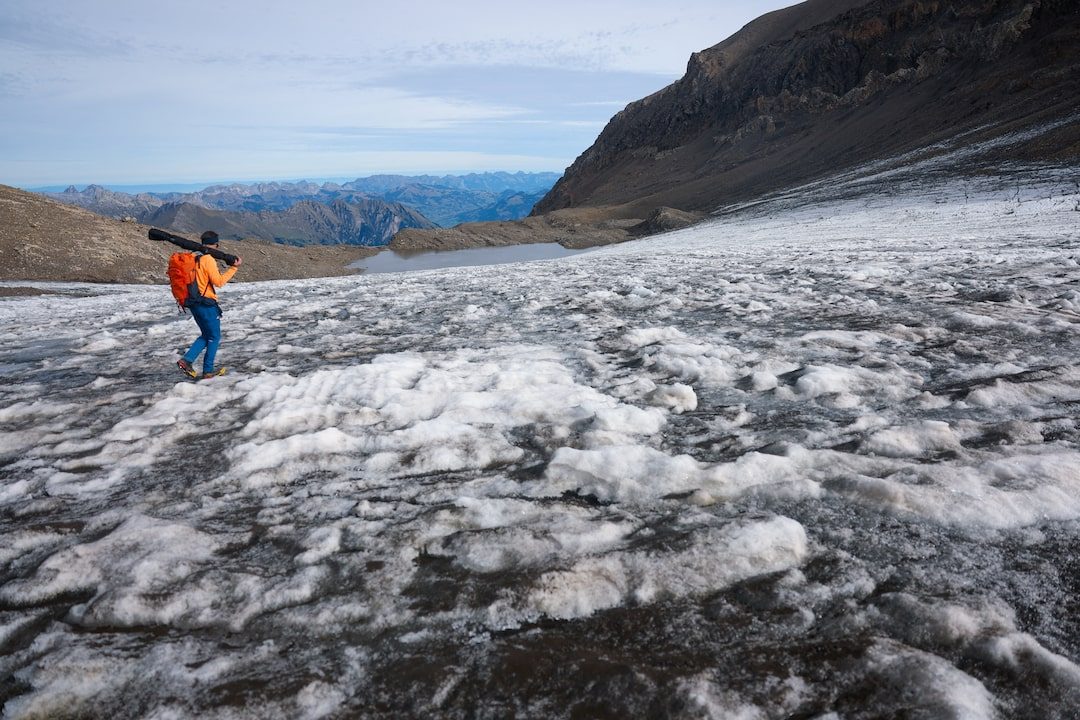
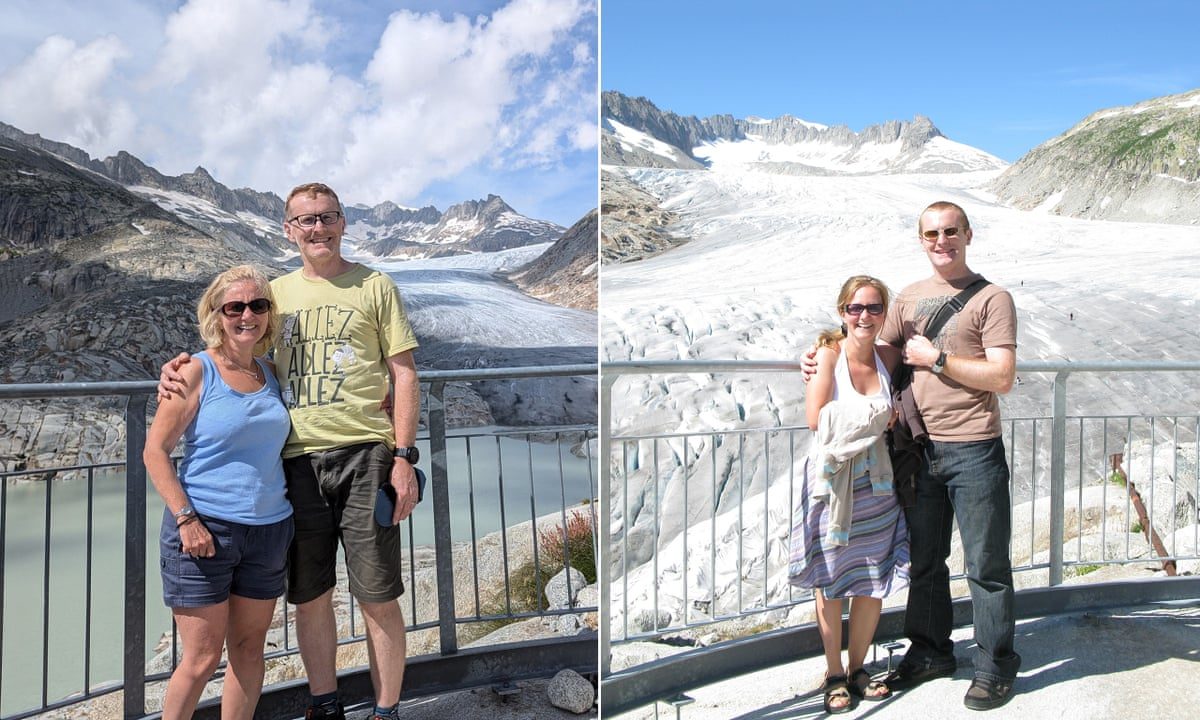
Swiss glaciers lost more than 5% of their remaining ice in 2026, the second-worst melt year on record. A low-snow winter left glaciers exposed, and summer heatwaves pushed the freezing point above 4,000 metres for 76 days.

The melt released 2.2 trillion litres of water between July and September, more than four times the annual drinking-water consumption of all Swiss households. That water is a declining resource: Alpine glaciers have passed 'peak water', so summer supplies for farming, hydropower and river shipping will shrink in coming decades.

Why it matters

Swiss glaciers are Europe's water tower; their meltwater feeds the Rhine and Danube, and its decline threatens farming, hydropower and shipping across the continent.

Questions about this story

Free account needed to ask — your question is kept and asked for you right after sign-up. Answers are public.

No questions yet — be the first to ask.

Key Indicators

5.5%
Glacier volume lost in 2026
Second-worst melt year on record, behind 2022's 6% loss.
20%
Glacier volume lost in past five years
Nearly a fifth of Switzerland's remaining glacier ice has disappeared since 2021.
2.2 trillion litres
Meltwater released July-September
More than four times the annual drinking-water consumption of Swiss households.
76 days
Days freezing point above 4,000 metres
More than twice the average, a Swiss record for summer heatwaves.

Voices

Curated perspectives — historical figures and your fellow readers.

Ever wondered what historical figures would say about today's headlines?

Sign up to generate historical perspectives on this story.

People Involved

Organizations Involved

Timeline

November 2025 October 2026

6 events Latest: 2 days ago
Tap a bar to jump to that date
  1. GLAMOS reports 5.5% glacier volume loss

    Latest Report

    GLAMOS and SCNAT publish data showing Swiss glaciers lost 5.5% of volume in 2026, the second-worst year on record.

  2. No snow remains at 3,500 metres

    Measurement

    By September, no snow survives at 3,500 metres elevation, leaving glaciers without protective cover even at high altitudes.

  3. Summer heatwaves push freezing point above 4,000m

    Climate

    For 76 days, heatwaves push the freezing point above 4,000 metres, more than twice the average and a Swiss record.

  4. Glaciers begin losing mass

    Measurement

    The 'glacier loss day' arrives June 29, the second-earliest date on record after 2022's June 26.

  5. Early heatwaves melt thin snow cover

    Climate

    Intense May and June heatwaves strip the thin snow layer, exposing bare glacier ice that absorbs more solar energy.

  6. Low-snow winter begins across Swiss Alps

    Climate

    Winter 2025-2026 ranks among the ten least snowy winters on record, leaving glaciers with thin protective snow cover.

Scenarios

1

Swiss glaciers post another major melt year in 2027

Possible Resolves by Oct 1, 2027

Discussed by: GLAMOS researchers and climate scientists

If 2027 brings another low-snow winter and hot summer, Swiss glaciers could lose another 3% or more of volume, approaching the 2022 and 2026 records. The trend of accelerating loss would continue, with more small glaciers disappearing permanently.

2

Switzerland tightens climate policy citing glacier loss

Unlikely Resolves by End of 2027

Discussed by: Swiss environmental groups and some politicians

Public concern about glacier loss could push Switzerland to accelerate its net-zero timeline or adopt stricter emission targets. The country currently aims for net-zero by 2050, but faster action could be proposed in response to the melt data.

3

Alpine water shortages worsen as glaciers shrink

Likely Resolves by Q3 2027

Discussed by: Swiss Federal Office for the Environment, water utilities

As glaciers pass peak water, summer meltwater declines. Hot, dry summers could bring water restrictions in Alpine valleys and lower river levels on the Rhine, affecting shipping and agriculture. The 2026 meltwater helped ease shortages, but that buffer is shrinking.

Historical Context

2 moments from history that rhyme with this story — and how they unfolded.

Summer 2022

Swiss glacier melt record (2022)

Swiss glaciers lost 6% of their volume in 2022, the previous worst year on record. A winter with little snow and a hot, dry summer drove the melt, shocking scientists who had considered 2% annual loss 'extreme'.

Then

The 2022 record prompted warnings about accelerating ice loss across the Alps.

Now

It set the benchmark that 2026 nearly matched, confirming the trend is not reversing.

Why this matters now

2026's loss is the second-worst on record, showing that 2022 was not an anomaly but part of an accelerating trend.

Summer 2003

European heatwave (2003)

A record European heatwave killed an estimated 70,000 people and caused widespread glacier melt across the Alps. It was the hottest summer in Europe in 500 years.

Then

The heatwave raised awareness of climate impacts and prompted new heat-health action plans across Europe.

Now

It marked the beginning of rapid Alpine glacier retreat that has continued ever since.

Why this matters now

The 2003 heatwave was the first major shock to Alpine glaciers; 2026 shows how much faster the melt has become.

Sources

(10)