
Pull to refresh
Logo
Argentina approves incentive terms for Vaca Muerta LNG export project

Argentina approves incentive terms for Vaca Muerta LNG export project

Money Moves

YPF, Eni and XRG clear the RIGI regime for a $50.75 billion gas-to-liquid plan; the investment decision is due November 30

Overview

Updated 1 hour ago

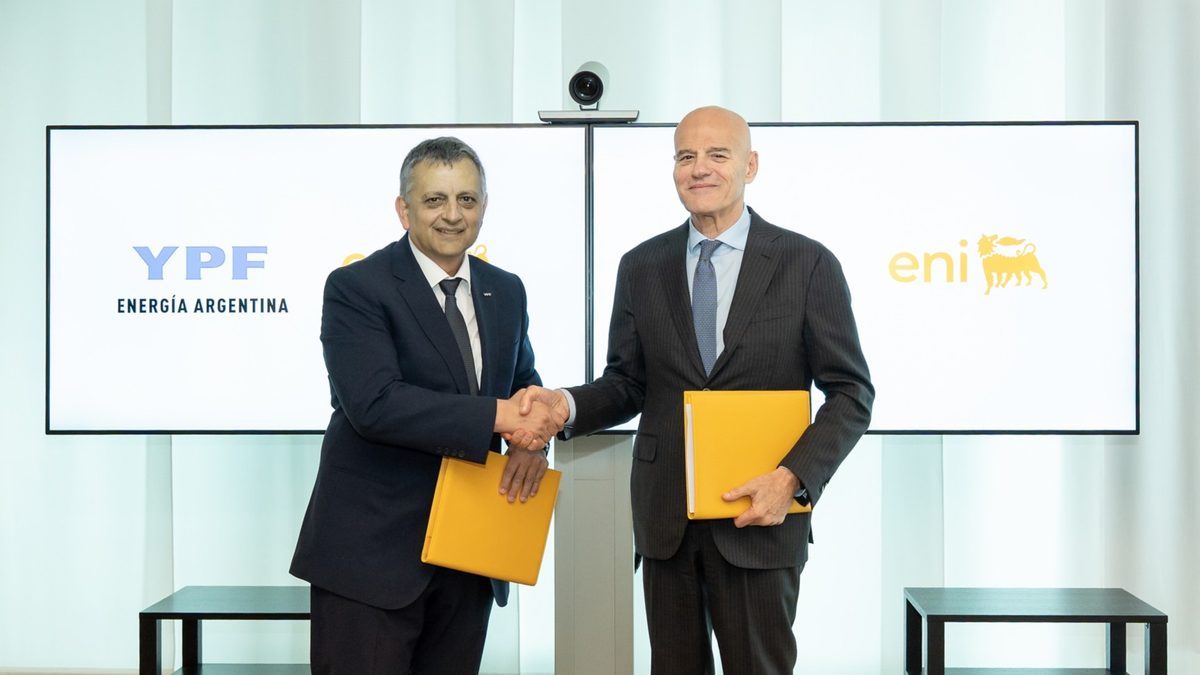
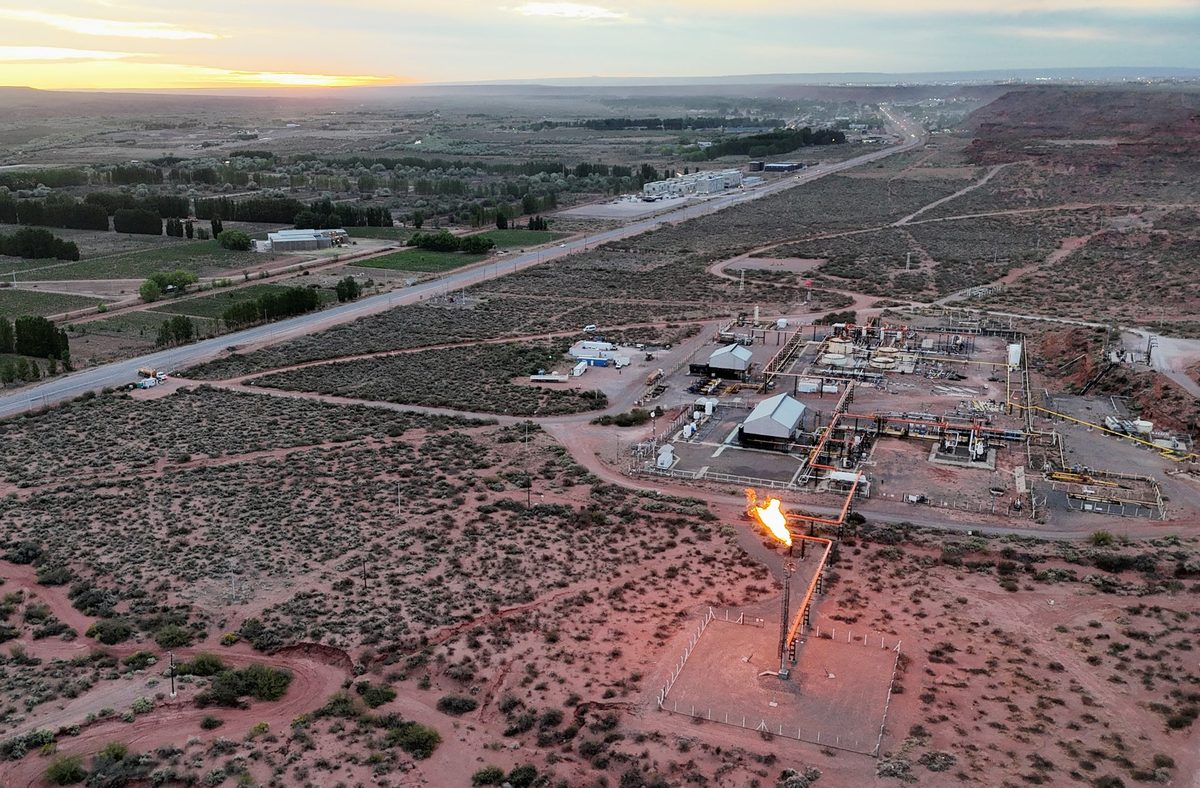
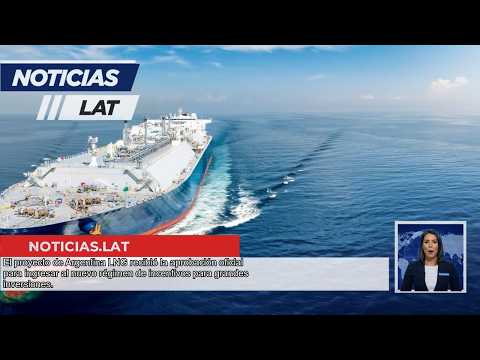
On November 20, Argentina's evaluation committee for its Large Investment Incentive Regime, known by its Spanish initials RIGI, approved the Argentina LNG project. It is a $50.75 billion plan to pipe shale gas 527 kilometers from Vaca Muerta to the Río Negro coast and chill it into 12 million tonnes a year of exportable liquid gas.

The approval grants tax and legal terms, not money. The cash moves only if YPF, Italy's Eni and Abu Dhabi's XRG sign a final investment decision on November 30 in Buenos Aires, and if lenders finalize roughly $25 billion of commitments for 2027 through 2030.

Why it matters

Argentina would become an LNG exporter shipping 12 million tonnes a year, reshaping regional gas trade and adding global supply from 2031.

Questions about this story

Free account needed to ask — your question is kept and asked for you right after sign-up. Answers are public.

No questions yet — be the first to ask.

Key Indicators

$50.75B
Lifetime investment through 2050
Economy Minister Luis Caputo put total project spending at $50.75 billion by 2050.
$29B
First-phase spending through 2031
About $24 billion of that goes to pipelines, two floating liquefaction units and gas processing.
12 Mt/yr
Planned LNG output
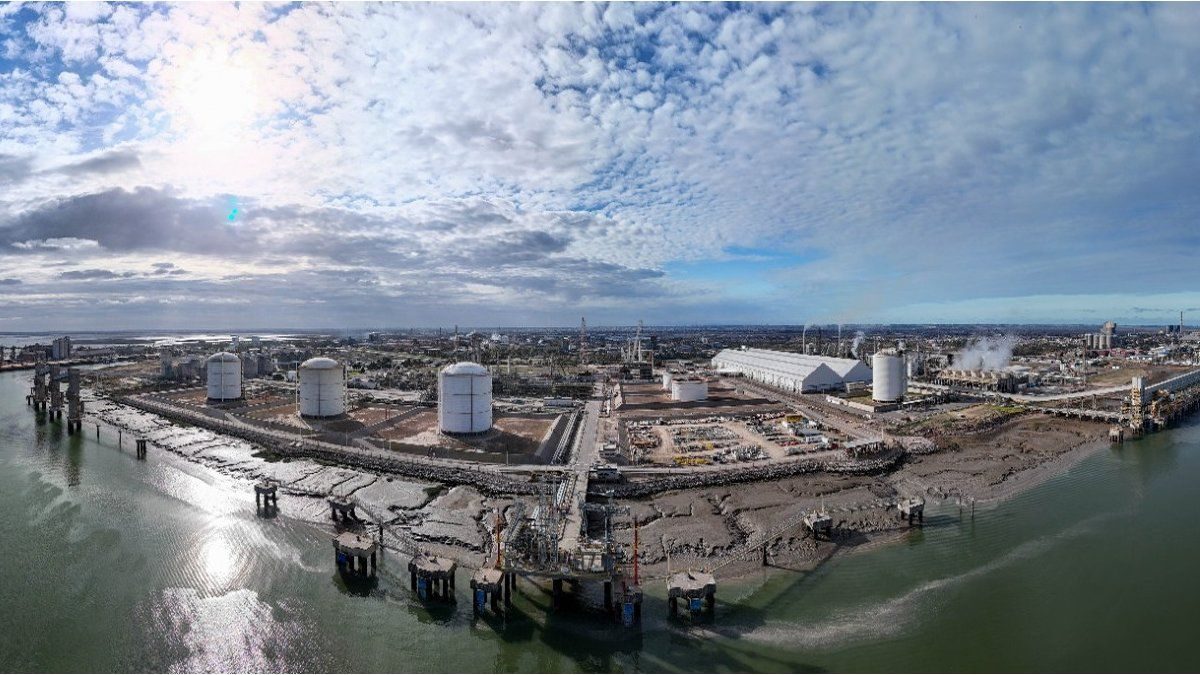
Two floating liquefaction units off Río Negro in the Gulf of San Matías, with first LNG targeted for 2031.
527 km
Pipeline length
Parallel 48-inch gas and 24-inch liquids lines running from Vaca Muerta to Sierra Grande.
$6B
Proposed US export credit
A non-binding Export-Import Bank proposal that still requires a board vote.

Voices

Curated perspectives — historical figures and your fellow readers.

Sign up to generate historical perspectives on this story.

People Involved

Organizations Involved

Timeline

2024 November 2026

7 events Latest: Today
Tap a bar to jump to that date
  1. Formal resolution still unpublished

    Today Procedure

    The approval has not appeared in the Boletín Oficial, leaving tax and currency terms unpublicized.

  2. RIGI committee approves Argentina LNG

    Regulatory

    Caputo announces the decision; the investment decision is set for November 30.

  3. Cheniere wins Sabine Pass expansion approval

    Regulatory

    US regulators clear 20 million tonnes a year of new capacity, the project's eventual competition.

  4. YPF board approves the investment plan

    Corporate

    Directors sign off four days before the government committee rules.

  5. Ex-Im Bank proposal disclosed

    Financing

    YPF reveals a proposed $6 billion US export credit line, still subject to a board vote.

  6. YPF files Argentina LNG for RIGI entry

    Filing

    The application asks for the incentive regime's legal and fiscal protections.

  7. Argentina creates the RIGI regime

    Legislation

    Law 27,742 offers 30 years of stability plus tax, customs and currency benefits to large investors.

Scenarios

1

Partners sign the investment decision on November 30

Likely Resolves by Dec 15, 2026

Discussed by: YPF, Eni and Argentine government officials; Reuters and ANSA reporting

The three partners sign the final investment decision at a public event in Buenos Aires, committing the first-phase capital and starting detailed engineering on the pipelines. Construction would then run from 2027 to 2030, with first LNG in 2031. The trigger is completion of lender commitments alongside the gazette publication.

2

Financing gaps push the decision into 2027

Possible Resolves by Q1 2027

Discussed by: REDIMIN and Rio Times, which both note the approval does not commit construction

The committee's approval is a licence to build, not a spending commitment. If the gazette resolution stalls or lenders hold back, the November 30 signing slips. The partners would keep the approved regime and resume once roughly $25 billion of debt for 2027-2030 is placed.

3

Ex-Im Bank board backs the $6 billion credit

Uncertain Resolves by Q2 2027

Discussed by: REDIMIN and Rio Times, both flagging the pending board vote

The US Export-Import Bank converts its non-binding proposal into approved financing, tied to purchases of American equipment and services. That would narrow the funding gap and reduce reliance on commercial banks, while giving Washington a stake in the project's success.

Historical Context

3 moments from history that rhyme with this story — and how they unfolded.

April 2012

Argentina takes control of YPF (2012)

Argentina's government seized control of YPF from Spain's Repsol, arguing the company had underinvested in domestic production. Madrid and Brussels protested, and the dispute ran through international arbitration for years.

Then

Foreign energy investment in Argentina slowed and the country's gas output kept falling, pushing it toward imports.

Now

The episode became the reference point for country risk in Argentine energy, and later governments have had to offer explicit legal guarantees to lure back major oil companies.

Why this matters now

RIGI's 30-year stability clause, tax cut and zero export duties exist because investors remember 2012. The regime's value depends on whether the next government honors it.

2012-2019

US Gulf Coast LNG build-out (2012-2019)

Cheniere Energy converted a Louisiana import terminal into an export plant at Sabine Pass and began shipping cargoes. Several competing Gulf Coast projects followed, turning a domestic shale gas surplus into a global export business.

Then

The United States went from a net gas importer to one of the world's largest LNG exporters within a decade.

Now

US cargoes became the swing supply in global gas markets, and the model of anchoring export terminals to shale gas fields was copied from Australia to Qatar.

Why this matters now

Argentina LNG follows the same template: shale gas inland, liquefaction on the coast, long-term contracts abroad. Sabine Pass's expansion was approved four days before Argentina's RIGI decision.

2011-2016

Australia's LNG construction boom (2011-2016)

Seven LNG trains were built in a burst, turning Australia into a top-tier exporter. Labor shortages and remote sites pushed several projects far past their original budgets.

Then

Cost overruns ran into the tens of billions of dollars, and some sponsors wrote down assets.

Now

Domestic gas prices rose sharply as export volumes grew, and Australian governments added export restrictions and price caps.

Why this matters now

It is the warning case for a remote, multi-billion-dollar liquefaction build in a country with price-sensitive domestic politics, which Argentina's project will face if costs climb.

Sources

(8)