



Pull to refresh
Logo
Argentina takes UK to maritime tribunal over Falklands oil

Argentina takes UK to maritime tribunal over Falklands oil

Rule Changes

Buenos Aires seeks to halt the Sea Lion field; London pledges to resist and protect its businesses

Today: Argentina files claim at maritime tribunal

Overview

Updated 50 minutes ago

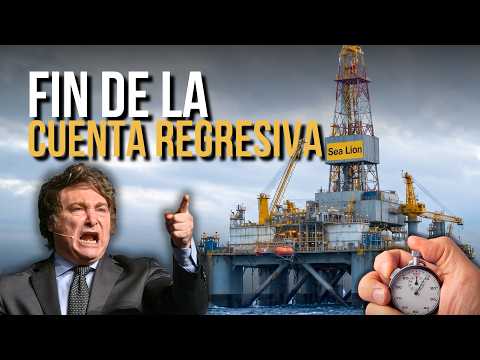
Argentina filed a request with the International Tribunal for the Law of the Sea on October 13, asking it to halt British-authorized oil exploration near the Falkland Islands. The target is the Sea Lion field, a $2.2 billion joint venture 130 miles north of the islands holding an estimated 1.7 billion barrels.

The filing escalates a sovereignty dispute that has simmered since the 1982 Falklands War. London responded the same day, announcing measures to shield UK businesses from Argentine legal pressure. A Foreign Office minister accused Buenos Aires of 'economic coercion.'

Why it matters

If Argentina wins provisional measures, it could freeze a $2.2 billion oil project that promises major revenue for the Falklands' 3,500 residents.

Questions about this story

Free account needed to ask — your question is kept and asked for you right after sign-up. Answers are public.

No questions yet — be the first to ask.

Key Indicators

1.7 billion barrels
Estimated oil in Sea Lion field
The field sits on the Falkland Islands shelf, around 130 miles north of the territory.
$2.2 billion
Project value
Joint venture between Britain's Rockhopper Exploration and Israel's Navitas Petroleum.
2028
Expected first oil
Production could start in 2028 if the legal fight does not delay it.
3,500
Falkland Islands residents
The population stands to gain large revenues from the project.

Voices

Curated perspectives — historical figures and your fellow readers.

Ever wondered what historical figures would say about today's headlines?

Sign up to generate historical perspectives on this story.

People Involved

Organizations Involved

Timeline

September 2026 October 2026

5 events Latest: Today
Tap a bar to jump to that date
  1. UK shields businesses from Argentine pressure

    Today Policy

    Britain announces trading-interest protections and asks Interpol to reject Argentine red notices.

  2. Milei demands end to Sea Lion project

    Statement

    Argentina's president calls for the project to be scrapped and threatens sanctions on oil firms.

  3. Falklands extends Sea Lion licences

    Policy

    Falkland Islands government extends exploration licences, subject to UK Foreign Secretary approval.

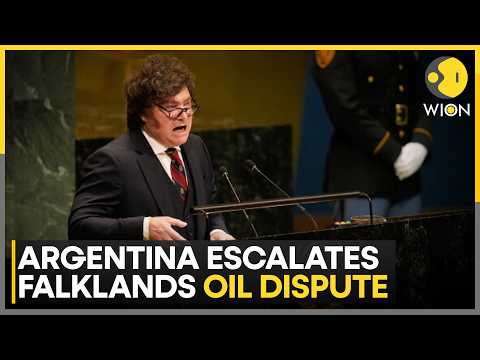
  4. Milei criticizes UN over Falklands

    Statement

    Milei says the UN has failed to act on the sovereignty dispute in his General Assembly speech.

Scenarios

1

Tribunal declines Argentina's request

Likely Resolves by Apr 30, 2027

Discussed by: UK government sources cited by The Guardian

ITLOS rules the dispute is fundamentally about sovereignty, which falls outside the UN Convention on the Law of the Sea's remit, and declines provisional measures. Sea Lion development continues toward first oil in 2028.

2

Argentina wins provisional halt to drilling

Possible Resolves by Apr 30, 2027

Discussed by: Argentine presidency filing; AP reporting

ITLOS grants provisional measures ordering the UK to suspend hydrocarbon activity in the disputed area pending a full ruling. The order is binding but unenforceable; the UK says it will resist, creating a diplomatic standoff.

3

Sea Lion development proceeds despite legal fight

Likely Resolves by End of 2027

Discussed by: Falkland Islands government and project partners

Regardless of the tribunal outcome, Rockhopper and Navitas continue the project toward 2028 first oil, and the Falklands government maintains its licensing authority. The dispute settles into a long-running diplomatic and legal standoff.

Historical Context

2 moments from history that rhyme with this story — and how they unfolded.

April-June 1982

Falklands War (1982)

Argentina invaded the Falkland Islands on April 2, 1982, claiming the territory it calls Las Malvinas. Britain sent a naval task force that recaptured the islands in a 10-week campaign ending in mid-June.

Then

About 900 people died in the fighting, and Argentina's military junta fell within a year. Britain kept the islands.

Now

Argentina has never accepted British sovereignty, and the dispute has shaped bilateral relations since. Britain maintains the islands' residents have the right to self-determination.

Why this matters now

Today's oil dispute plays out through courts and sanctions rather than force, but it is the same sovereignty conflict. Argentina says the islands' shelf belongs to it; Britain says development is lawful.

1965-1982

UN negotiation calls (1965-1982)

In 1965 the UN General Assembly asked Britain and Argentina to negotiate the islands' sovereignty. Talks continued for years without agreement, with Argentina pressing its claim while Britain defended the islanders' wishes.

Then

Negotiations collapsed, and Argentina invaded in April 1982.

Now

The UN has repeatedly called for a negotiated settlement. The Guardian reported Argentina now argues the UK's hydrocarbon activity breaches a UN resolution urging both sides to refrain from 'unilateral modifications.'

Why this matters now

Argentina's tribunal filing leans on the same UN-framed principle, arguing Britain is unilaterally changing the status quo by licensing oil exploration.

Sources

(8)