


Pull to refresh
Logo
Argentina swings to current account surplus on record exports

Argentina swings to current account surplus on record exports

Money Moves

Q2 2026 balance of payments flips from a $2.45 billion deficit to a $2.21 billion surplus

3 days ago: INDEC reports Q2 surplus

Overview

Updated 1 hour ago

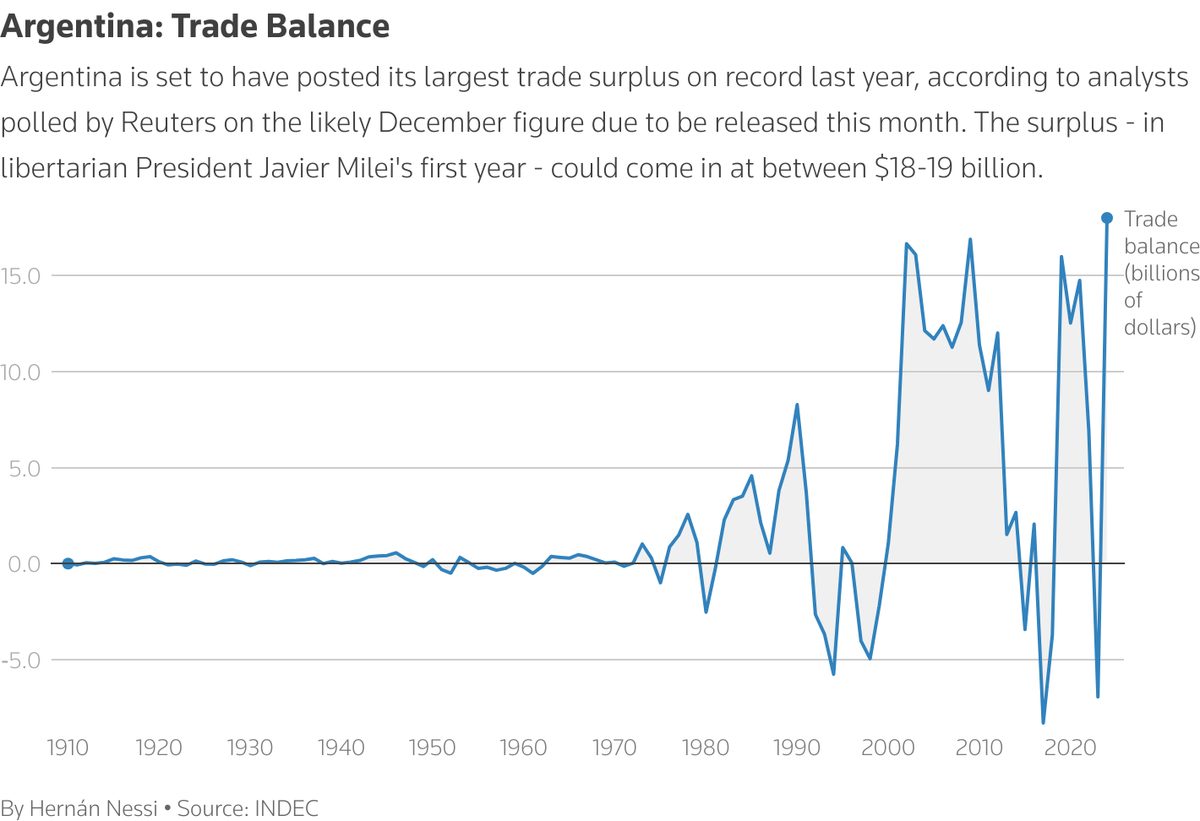
Argentina's current account flipped from a $2.45 billion deficit to a $2.21 billion surplus in the second quarter of 2026. The driver was a record export haul: goods and services sales hit $32.5 billion, up 28.2% from a year earlier.

The surplus gives President Javier Milei's government room to defend the peso and adds $3.7 billion to central bank reserves. It also masks a widening leak: profits, dividends and interest paid abroad hit $6 billion, and gross external debt reached $327.9 billion by June 30.

Why it matters

Record exports and a rare surplus let Argentina defend the peso and rebuild reserves, easing pressure on interest rates and inflation targets.

Questions about this story

Free account needed to ask — your question is kept and asked for you right after sign-up. Answers are public.

No questions yet — be the first to ask.

Key Indicators

$2.21B
Q2 2026 current account surplus
Reverses a $2.45 billion deficit from the same quarter of 2025.
$32.5B
Goods and services exports, Q2 2026
Up 28.2% year over year, a record for the quarter.
$3.7B
Balance-of-payments additions to reserves
Dollar inflows from payments transactions in Q2 2026.
$327.9B
Gross external debt at face value, June 30
Up $4.7 billion from March; the government holds 55.2% of it.

Voices

Curated perspectives — historical figures and your fellow readers.

Ever wondered what historical figures would say about today's headlines?

Sign up to generate historical perspectives on this story.

People Involved

Organizations Involved

Timeline

December 2023 September 2026

4 events Latest: 3 days ago
Tap a bar to jump to that date
  1. INDEC reports Q2 surplus

    Latest Economic data release

    Instituto Nacional de Estadística y Censos posts a $2.21 billion current account surplus, reversing a $2.45 billion year-earlier deficit.

  2. Q2 sees record export quarter

    Economic data

    Goods exports rise $6.5 billion year over year to $27.6 billion; imports slip slightly.

  3. First quarter ends in deficit

    Economic data

    Argentina's current account posts a $2.41 billion deficit in Q1 2026.

  4. Milei takes office, launches fiscal adjustment

    Political transition

    Javier Milei becomes president promising to cut public spending and end inflation.

Scenarios

1

Argentina Extends Current Account Surplus Into Second Half

Possible Resolves by Jan 31, 2027

Discussed by: Economists cited by Reuters and Trading Economics

Q2 is seasonally Argentina's strongest quarter, when soy and corn harvests ship. If energy export growth and the fiscal adjustment hold, Q3 could post another surplus, extending the streak. The government cites the data to argue the peso is correctly valued.

2

Deficit Returns as Imports Rebound

Uncertain Resolves by Jan 31, 2027

Discussed by: Analysts noting Q2 is typically Argentina's strongest export quarter

If domestic demand recovers faster than export capacity, imports could climb and erase the surplus. The primary income deficit, already $6 billion, would widen further if foreign-owned firms repatriate more profits and dividends.

3

Vaca Muerta LNG Project Reaches Final Investment Decision

Unlikely Resolves by End of 2027

Discussed by: Industry analysts tracking YPF's LNG export plans

If YPF secures financing for its liquefied natural gas export project, energy export capacity jumps, making surpluses more durable. The company is still gathering the capital needed for the project.

Historical Context

3 moments from history that rhyme with this story — and how they unfolded.

December 2001 - January 2002

Argentina's 2001-2002 collapse

After years of a fixed dollar-peso exchange rate and widening current account deficits, Argentina defaulted on its sovereign debt and abandoned the peg. The peso devalued sharply and GDP fell by over 10%.

Then

A wave of bank runs, protests, and five presidents in two weeks. Deposits were frozen and savers lost much of their wealth.

Now

The crisis cemented distrust of the peso and made external financing scarce for over a decade.

Why this matters now

Argentina's recurring problem has been financing deficits without devaluing. Today's surplus is the opposite: it provides the cushion Milei's team says proves the peso is not overvalued.

2003-2008

Soy export boom recovery (2003-2008)

After the crash, high global commodity prices and a depreciated peso made Argentine soy exports extremely profitable. Agricultural sales generated large trade surpluses that funded a rapid economic recovery.

Then

GDP grew at annual rates near 8-9%, and the government rebuilt reserves.

Now

It made agriculture the backbone of Argentina's export economy, but left the country dependent on commodity prices.

Why this matters now

Soy again drove the Q2 2026 surplus, with the crop complex earning $5.9 billion. The difference now is energy, which adds a second export pillar.

2010-2019

US shale revolution (2010s)

Hydraulic fracturing and horizontal drilling turned the US from a net oil importer into the world's largest crude producer within a decade.

Then

US oil output roughly doubled, reshaping global energy markets and trade flows.

Now

Shale made the US energy independent and a major exporter.

Why this matters now

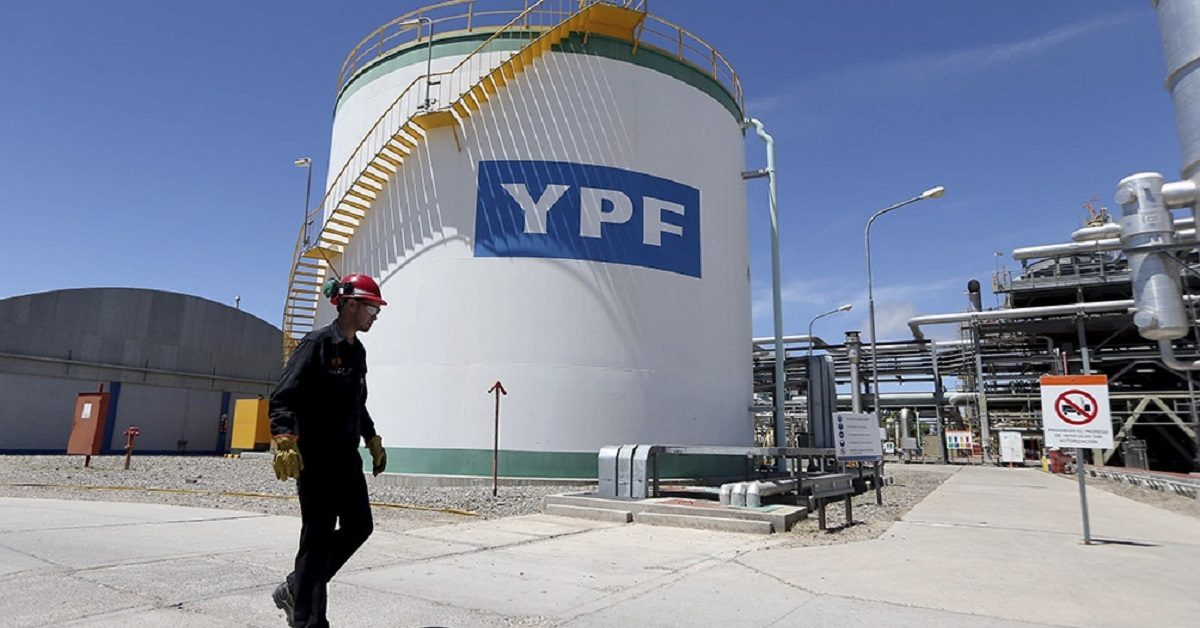
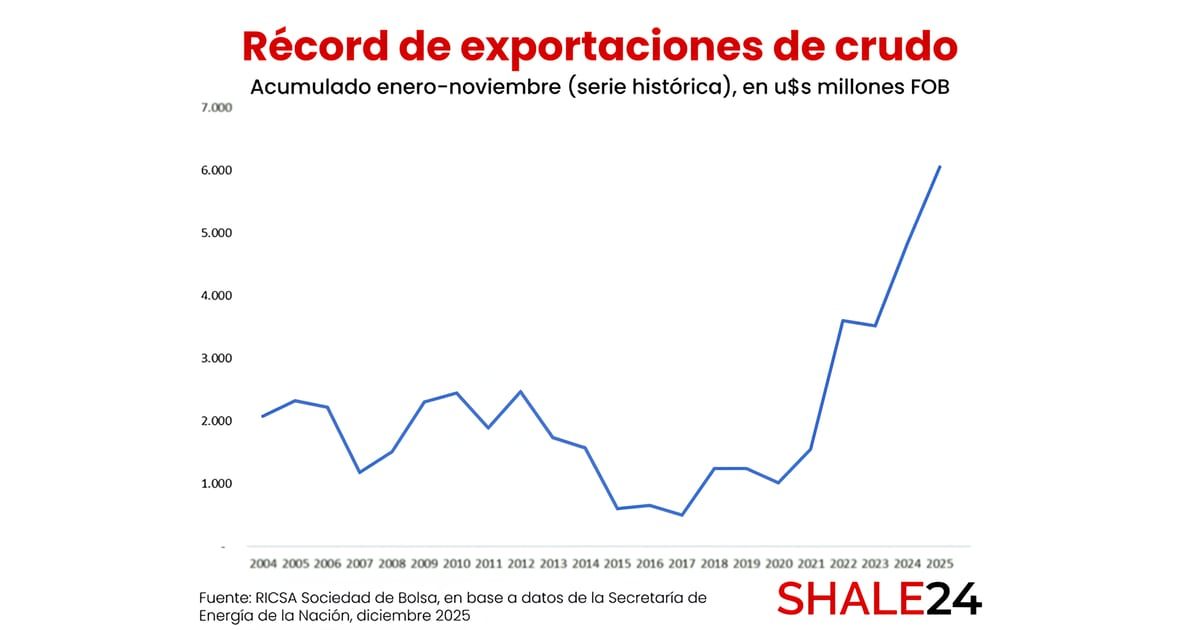
Vaca Muerta is Argentina's shale formation. Oil and petrochemical exports hit $5 billion in Q2, rivaling soy, and YPF's planned LNG project could turn energy into a durable surplus driver.

Sources

(8)