
Pull to refresh
Logo
NOAA awards $29.1 million for right whale research on lobster gear

NOAA awards $29.1 million for right whale research on lobster gear

Rule Changes Arlington, VA local

Federal money funds models and gear tests meant to ease regulatory burden on lobster and Jonah crab fisheries while protecting the endangered right whale.

September 4th, 2026: $29.1M NOAA grant recorded

Overview

Updated 40 minutes ago

The fight between right whale protection and the lobster industry is getting a $29.1 million research boost. The National Oceanic and Atmospheric Administration (NOAA) awarded the money to the Atlantic States Marine Fisheries Commission, an interstate body of 15 coastal states. The work starts October 1, 2026, out of Arlington, Virginia.

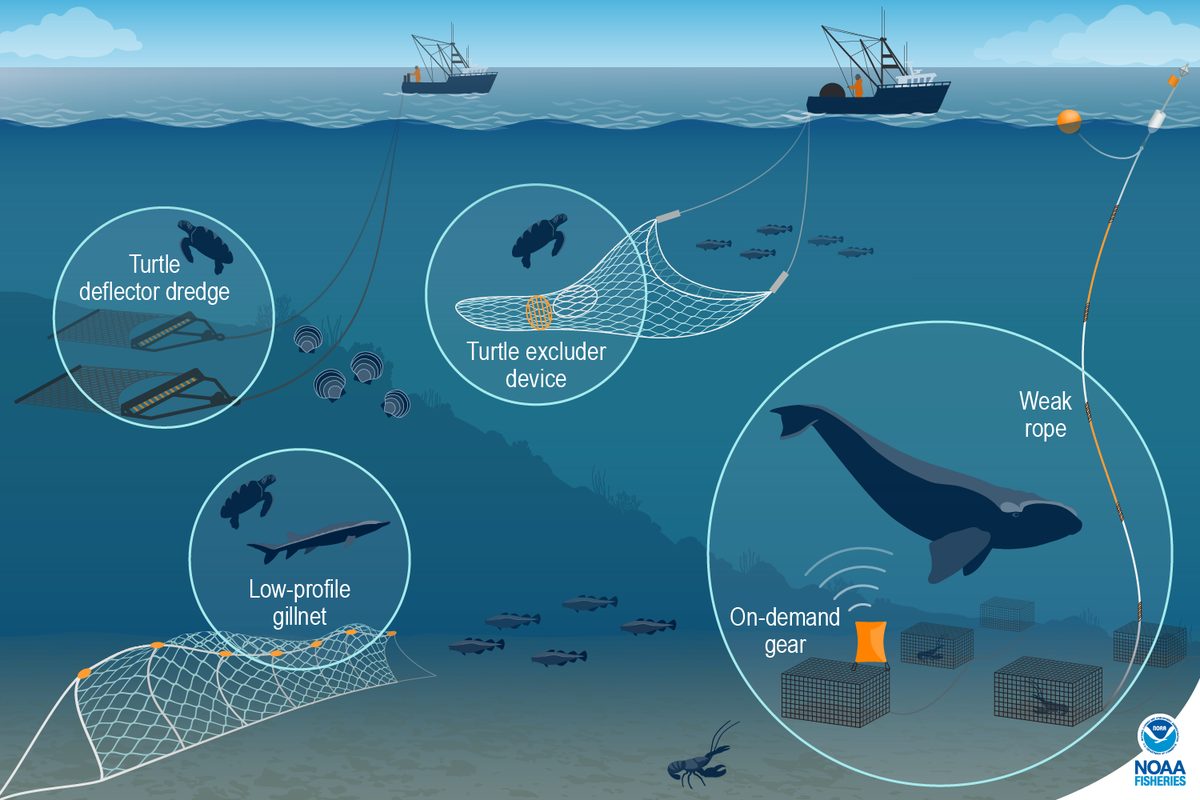
The project studies whale habitat, tests fishing gear, and merges separate computer models into one source. The goal is to cut the uncertainty behind management decisions. With better data, regulators could ease closures and gear mandates on American lobster and Jonah crab fisheries without raising whale risk.

Why it matters

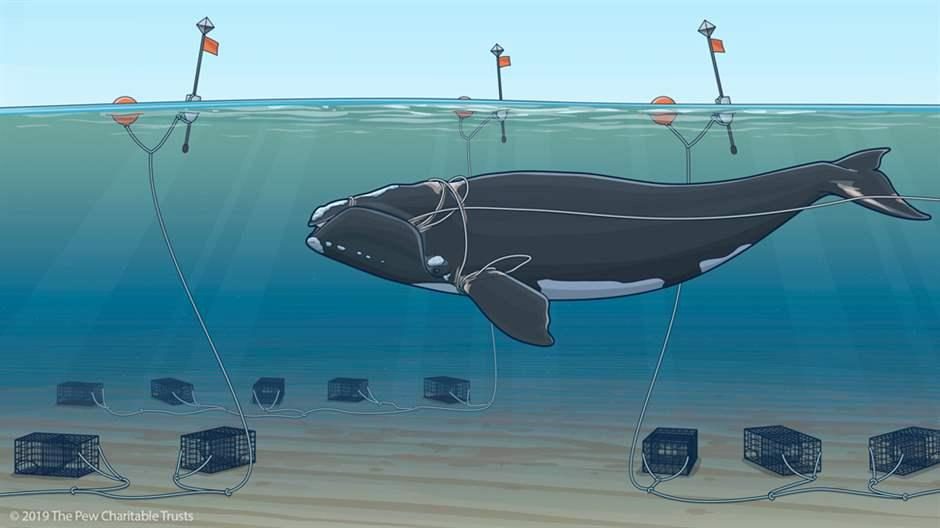
With roughly 370 right whales left, better data could decide whether lobster fishermen face fewer closures or more.

Questions about this story

Free account needed to ask — your question is kept and asked for you right after sign-up. Answers are public.

No questions yet — be the first to ask.

Key Indicators

$29.1M
Federal grant obligated to ASMFC
Recorded by NOAA for the right whale gear and habitat research project.
~370
North Atlantic right whale population
Estimated remaining population, down from roughly 500 a decade ago.
15
Atlantic states in ASMFC
The commission coordinates fishery management among these coastal states.
2026-10-01
Project start date
The research work is scheduled to begin.

Voices

Curated perspectives — historical figures and your fellow readers.

Ever wondered what historical figures would say about today's headlines?

Sign up to generate historical perspectives on this story.

People Involved

Organizations Involved

Timeline

June 2017 October 2026

6 events Latest: September 4th, 2026 · 3 weeks ago
Tap a bar to jump to that date
  1. Research project scheduled to begin

    Upcoming Milestone

    Research project is scheduled to begin in Arlington, Virginia.

  2. $29.1M NOAA grant recorded

    Latest Funding

    NOAA records $29.1 million grant to ASMFC for whale and gear research.

  3. NOAA issues new lobster restrictions

    Regulation

    NOAA issues new rules requiring closures and gear changes in lobster grounds.

  4. Right whale unusual mortality event declared

    Environmental declaration

    NOAA declares an unusual mortality event for right whales after a spike in deaths.

Scenarios

1

Research shifts, NOAA relaxes lobster closures

Possible Resolves by End of 2028

Discussed by: NOAA and ASMFC officials; industry groups

The combined models give managers enough confidence to shrink seasonal closures and ease gear mandates in areas where whale presence is low. Industry compliance costs fall, and environmental groups watch closely. A new biological opinion or take reduction rule would make the change official.

2

Models show higher risk, tighter restrictions

Possible Resolves by End of 2028

Discussed by: Center for Biological Diversity and other conservation groups

The new habitat models reveal whales use more of the fishing grounds than assumed, pushing NOAA to expand closures and gear requirements. Lobstermen face higher costs and more litigation.

3

Litigation continues; no major rule change before 2029

Likely Resolves by Q2 2029

Discussed by: Industry observers and environmental law analysts

The research yields incremental findings, but both sides keep fighting in court over existing rules. Neither a major loosening nor tightening takes effect for years.

Historical Context

3 moments from history that rhyme with this story — and how they unfolded.

April 1990

Dolphin-safe tuna (1990)

In the eastern tropical Pacific, tuna fleets encircled dolphins to catch tuna beneath them, killing tens of thousands of dolphins a year. Under the Marine Mammal Protection Act and public pressure, the industry adopted the backdown procedure and net modifications to release dolphins.

Then

Dolphin deaths fell sharply within a few years.

Now

The 'dolphin-safe' label became standard, proving gear change could end a bycatch fight without ending the fishery.

Why this matters now

The same bet — modified gear saves a protected species while letting fishermen work — underlies this grant.

September 1995

Gulf of Maine harbor porpoise pingers (1995-1998)

Harbor porpoise drowned in New England gillnets, prompting federal rules that required acoustic pingers on nets. The pingers warned porpoises away from the gear.

Then

Porpoise deaths in gillnets dropped sharply; the fishery kept operating.

Now

It became the model for acoustic deterrents in US fisheries.

Why this matters now

It is the closest New England precedent: a gear fix that balanced a protected species and a working fishery.

December 2008

Right whale ship-strike speed rule (2008)

NOAA required ships to slow to 10 knots in seasonal zones along the East Coast to cut right whale ship strikes, the species' other main killer. Later it added dynamic, real-time speed zones.

Then

Ship-strike deaths fell, and targeted zones reduced economic cost.

Now

The shift from blanket to dynamic rules showed managers can protect whales more precisely.

Why this matters now

This grant applies that same logic to fishing gear — targeted measures instead of broad closures.

Sources

(4)

More from Arlington, VA

Openings, permits and council decisions in Arlington, VA, in your inbox every Monday.