
Pull to refresh
Logo
Gravity maps point to four candidate lava tunnels under the Moon

Gravity maps point to four candidate lava tunnels under the Moon

New Capabilities

University of Illinois Chicago geoscientists re-examined NASA gravity data and found four signatures consistent with hollow tubes beneath about 100 meters of rock

Overview

Updated 2 hours ago

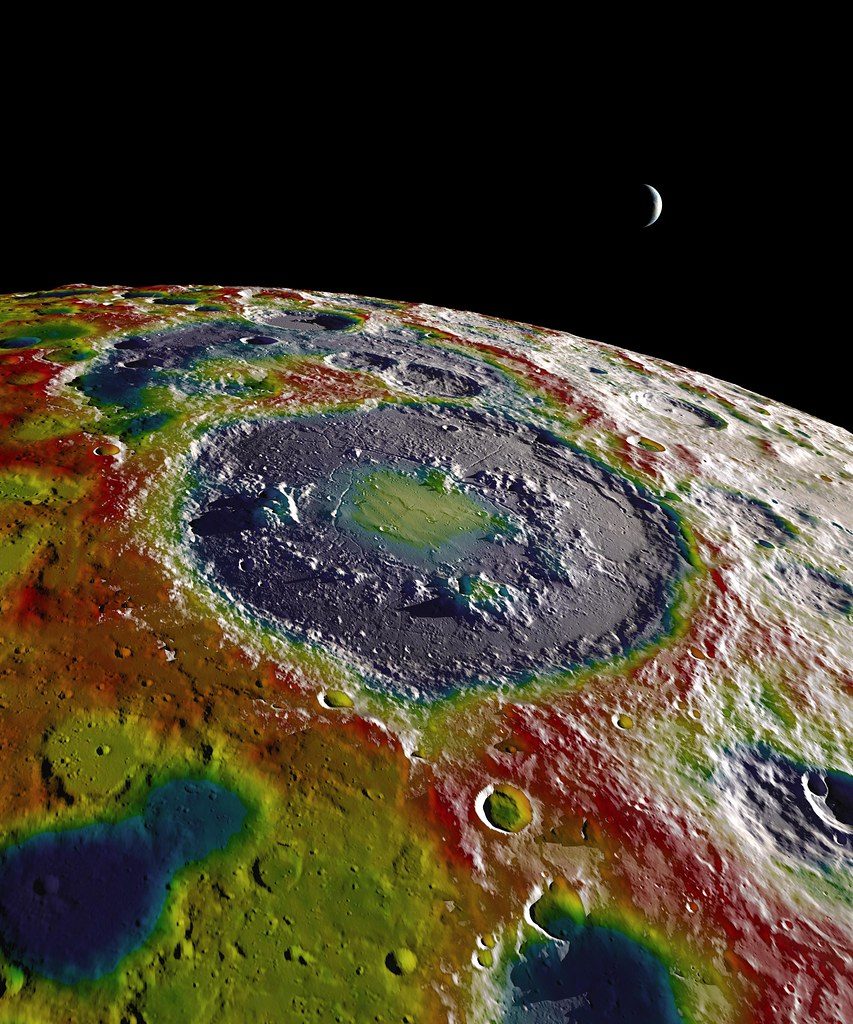
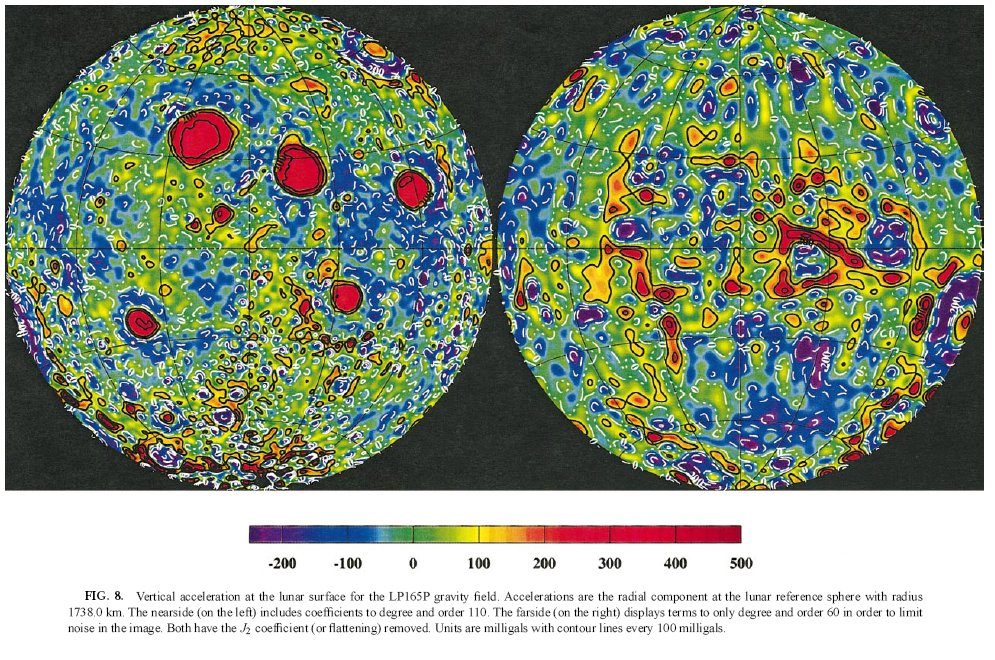
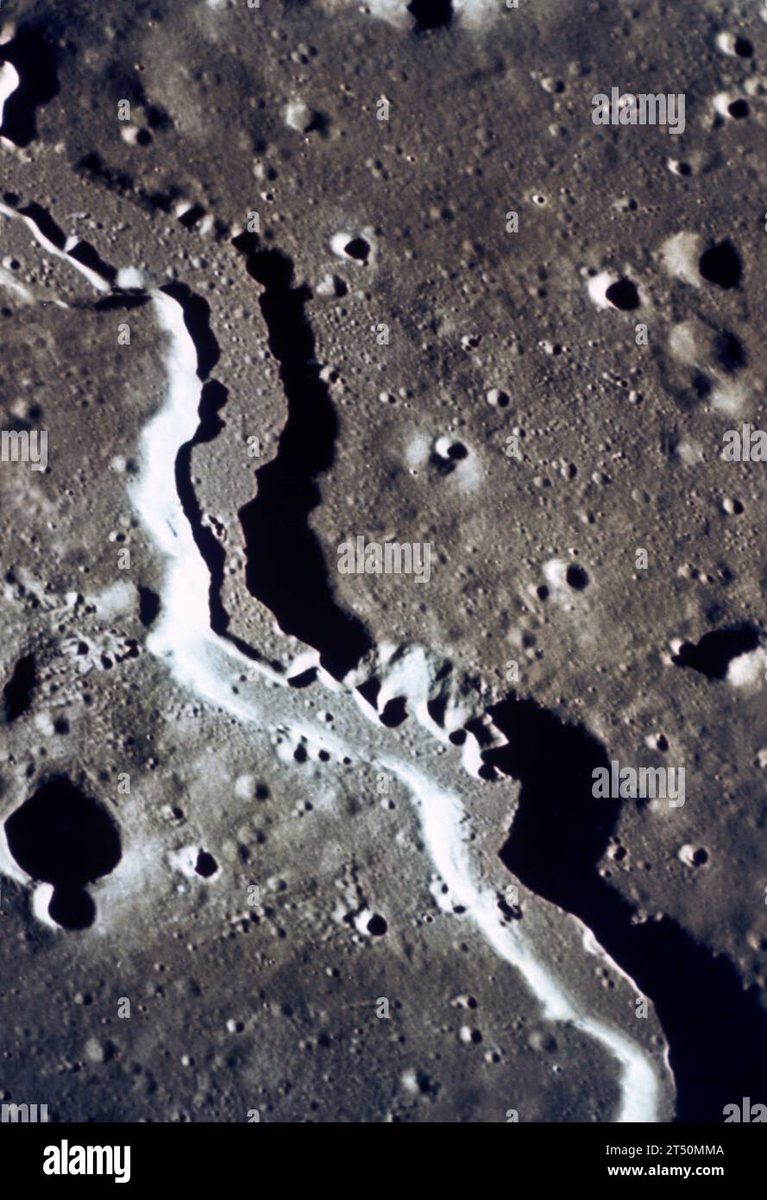
The Moon's gravity pulls slightly weaker over four patches of its surface, and two geoscientists say the likeliest explanation is a hollow lava tunnel beneath each one. The candidates sit under roughly 100 meters of rock and are less than 2 kilometers wide, near Vallis Schröteri, Rima Mairan and the Wollaston crater.

The work does not prove the tunnels exist. A buried change in rock density bends gravity the same way, and gravity alone cannot measure a cavity's size. But the four candidates fit inside the size limits later studies placed on lunar lava tubes, after earlier claims of tunnels up to 9 kilometers wide failed structural checks.

Why it matters

A confirmed tube would give lunar crews radiation shielding and stable temperatures without hauling that protection from Earth.

Questions about this story

Free account needed to ask — your question is kept and asked for you right after sign-up. Answers are public.

No questions yet — be the first to ask.

Key Indicators

4
Candidate tunnels
Sites where gravity dips match simulated hollow tubes.
~2 km
Maximum candidate width
Upper bound the researchers consider structurally plausible.
~100 m
Rock above each candidate
Estimated depth of the roof over each gravity signature.
≥30 km
Length of the Vallis Schröteri candidate
The most detailed candidate, traced along the main rille.
384,400 km
Earth–Moon distance
Why confirming a subsurface cavity takes remote sensing, not a visit.

Voices

Curated perspectives — historical figures and your fellow readers.

Sign up to generate historical perspectives on this story.

People Involved

Organizations Involved

Timeline

2011 November 2026

5 events Latest: Yesterday
Tap a bar to jump to that date
  1. Four candidate tunnels reported in Icarus

    Latest Research

    Each fits a tube under 2 kilometers wide beneath roughly 100 meters of rock.

  2. NASA releases a sharper lunar gravity model

    Data

    The higher-resolution field lets Losarcos and Dombard retest the subsurface question.

  3. Second round of candidates pushes widths higher

    Research

    Later work found that 9-kilometer-wide tubes would likely collapse under their own roofs.

  4. First lava tube candidates drawn from GRAIL data

    Research

    Studies estimate possible tubes with widths of up to 9 kilometers.

  5. Twin GRAIL probes start mapping lunar gravity

    Mission

    Two spacecraft measure tiny changes in their separation to chart the Moon's gravity field.

Scenarios

1

Radar sounding confirms a void beneath Vallis Schröteri

Possible Resolves by End of 2029

Discussed by: Losarcos and Dombard, who name radar observations as the next test in the Icarus paper

The candidates rest on gravity alone, which cannot separate a hollow tube from a patch of low-density rock. A radar instrument that can see through the regolith, or a seismic station near the site, would settle it. The Vallis Schröteri candidate is the best defined of the four, traced along the main rille for at least 30 kilometers.

2

Follow-up work explains the signals as rock density, not tunnels

Possible Resolves by End of 2029

Discussed by: The study's own authors, who note other density variations produce similar gravity signatures

The paper labels all four sites candidates rather than detections. Lunar mare rock is layered basalt, and a buried dense flow or a lens of loose material would bend gravity much as a void does. If modelling shows a density explanation fits the residuals at most sites, the tunnel list shrinks toward zero.

3

A funded lunar mission adds a candidate tube to its target list

Unlikely Resolves by End of 2028

Discussed by: Space agencies preparing lunar base plans, with NASA having listed subsurface cavity searches among its preparations

A confirmed tube would solve two problems at once: radiation shielding and temperature swings. That makes a skylight or a shallow tube a plausible target for a rover or instrument package. The obstacle is access, since a candidate under 100 meters of rock needs either a collapse opening or a drill.

Historical Context

2 moments from history that rhyme with this story — and how they unfolded.

2011–2012

GRAIL maps the Moon's gravity (2011–2012)

NASA flew two identical spacecraft in formation, measuring changes in the distance between them as small as a fraction of a micron. Those changes revealed how the Moon's mass is distributed, including buried structures with no surface expression.

Then

The mission produced the most detailed gravity map of any planetary body at the time.

Now

That dataset, refined again in May 2025, remains the basis for every lava tube candidate proposed since.

Why this matters now

The four new candidates exist because GRAIL measured a deficit of mass, and mass deficits are what a hollow tunnel looks like from orbit.

2017–2025

The 9-kilometer tube claims and their retreat (2017–2025)

Studies in 2017 and 2024 used GRAIL data to propose lava tubes several kilometers wide, some reaching 9 kilometers across. Later modelling found that tubes that wide could not support their own roofs without collapsing.

Then

The largest proposed tunnels were judged structurally implausible.

Now

The field moved toward narrower, shallower candidates, which is the size range the new study targets.

Why this matters now

This is why the four new candidates matter: they fit inside the stability limits that killed the earlier, bigger claims.

Sources

(6)