

Pull to refresh
Logo
NASA selects GIMLI mission to explore Moon's Marius Hills Pit for lava tube

NASA selects GIMLI mission to explore Moon's Marius Hills Pit for lava tube

New Capabilities

Radar, seismic and gravity instruments will search for a cave beneath the lunar surface

2 days ago: NASA selects GIMLI mission through PRISM

Overview

Updated 1 hour ago

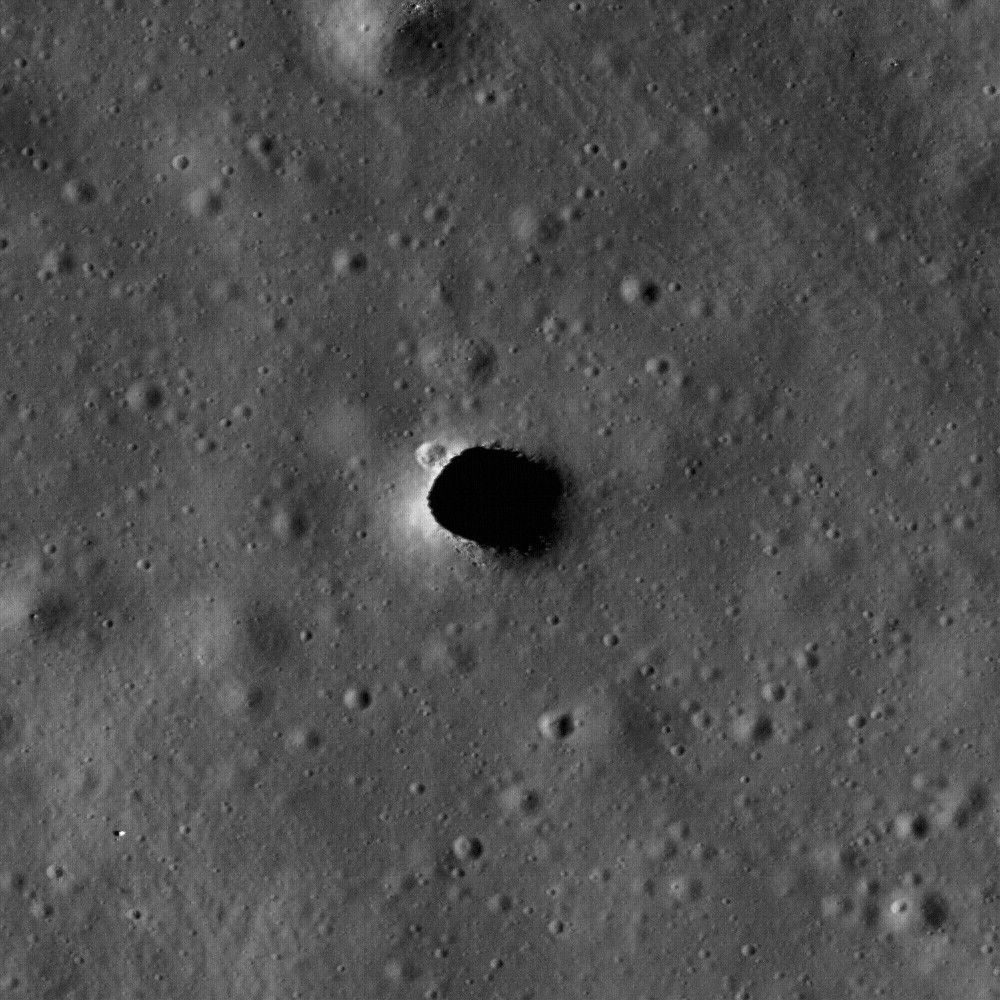
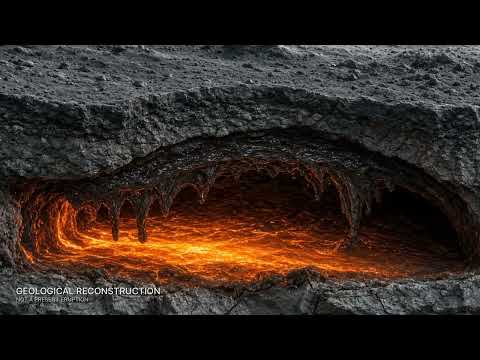
NASA has selected a mission to investigate whether a gaping hole on the Moon's surface opens into a vast underground cave. The GIMLI project will deploy radar, seismic sensors, a gravity meter and cameras at the Marius Hills Pit, a 65-meter-wide opening in one of the Moon's most volcanically diverse regions.

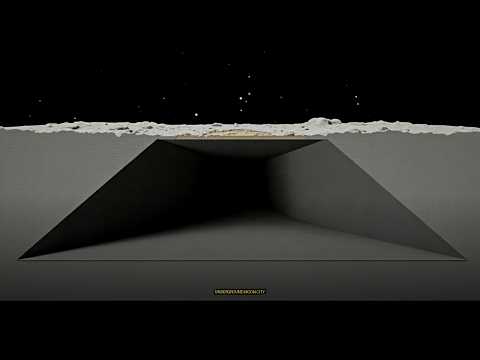
If a lava tube lies beneath the pit, it could shelter astronauts from radiation and temperature swings exceeding 250°C, and preserve clues to the Moon's volcanic past. Even a null result would help explain how the pit formed, and the data will inform how scientists interpret similar openings elsewhere on the Moon.

Why it matters

A confirmed lunar lava tube would give future missions a natural, pre-built shelter and shift the economics of Moon base planning.

Questions about this story

Free account needed to ask — your question is kept and asked for you right after sign-up. Answers are public.

No questions yet — be the first to ask.

Key Indicators

65
Marius Hills Pit width (meters)
The opening GIMLI will investigate.
4
Geophysical instrument types in GIMLI
Radar, seismic, gravity, and cameras.
First since Apollo 17 (1972)
Surface seismic survey
GIMLI marks the first lunar surface seismic survey since Apollo.

Voices

Curated perspectives — historical figures and your fellow readers.

Ever wondered what historical figures would say about today's headlines?

Sign up to generate historical perspectives on this story.

People Involved

Organizations Involved

Timeline

2009 October 2026

2 events Latest: 2 days ago
  1. NASA selects GIMLI mission through PRISM

    Latest Selection

    NASA chose GIMLI to investigate the Marius Hills Pit for a possible lava tube, with instruments to be carried by a CLPS lander and rover.

  2. Kaguya spacecraft finds lunar pits

    Discovery

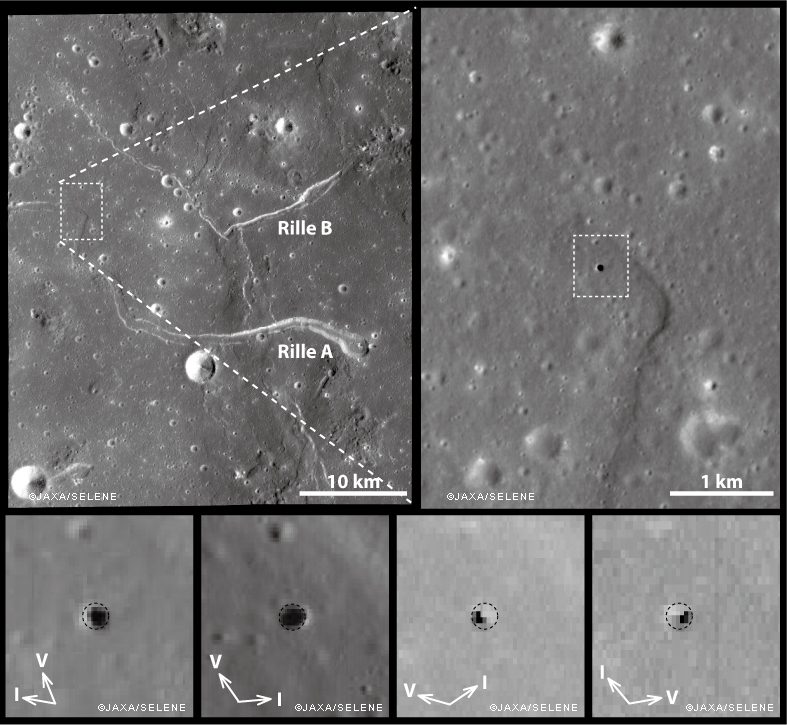
    Japan's Kaguya mission spotted dozens of pits on the Moon, including the Marius Hills Pit, hinting at underground caves.

Scenarios

1

GIMLI Confirms Lava Tube Beneath Marius Hills Pit

Possible Resolves by End of 2028

Discussed by: NASA, Planetary Science Institute, space exploration analysts

If GIMLI's radar, seismic and gravity data agree on a subsurface void extending from the pit, the mission will have confirmed a large lunar lava tube. Such a find would open studies of lunar volcanism and make the cave a prime candidate for future astronaut shelter.

2

GIMLI Finds No Cave, But Explains Pit Formation

Likely Resolves by End of 2028

Discussed by: Planetary Science Institute geologists

A null result would still be scientifically valuable. The radar, seismic and gravity data would constrain the pit's internal structure and reveal how it formed, helping scientists interpret other pits on the Moon and across the solar system.

Historical Context

2 moments from history that rhyme with this story — and how they unfolded.

December 1972

Apollo 17 Seismic Experiments (1972)

Apollo 17 astronauts placed the last seismic instruments on the lunar surface as part of a network of geophones. The experiments measured moonquakes and meteorite impacts, giving the first direct look at the Moon's internal structure.

Then

Data revealed the Moon has a thin crust and a partially molten core.

Now

No surface seismic survey has been conducted since; GIMLI would be the first.

Why this matters now

GIMLI's seismic package will mark the first lunar surface seismic measurement in more than half a century, offering a modern view of subsurface structures.

2009

Kaguya Discovers Lunar Pits (2009)

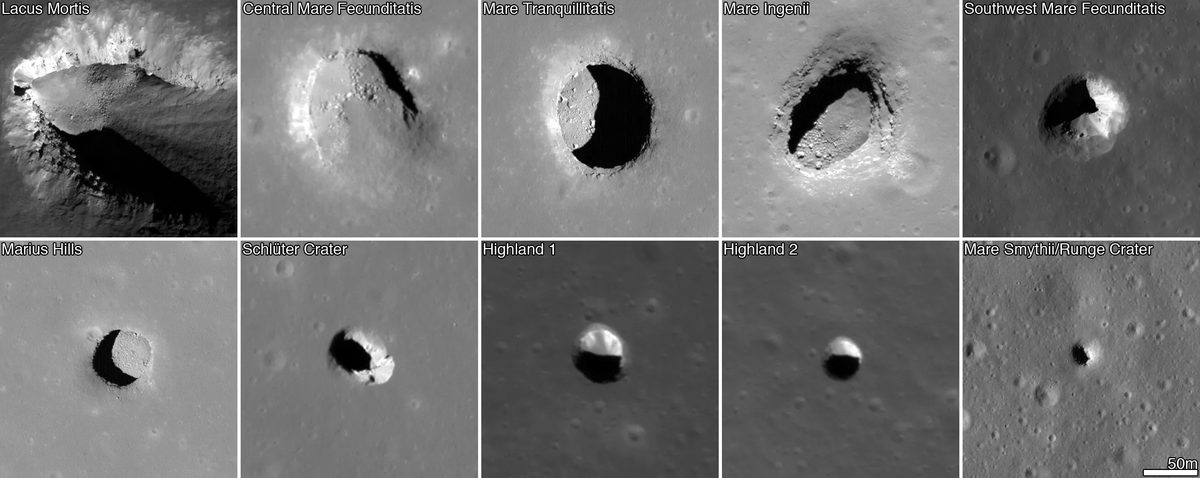
Japan's Kaguya spacecraft imaged vertical pits on the Moon, including the Marius Hills Pit, with openings up to 90 meters across. The pits were interpreted as possible skylights into lava tubes.

Then

The discovery sparked debate about whether lunar caves could serve as shelters.

Now

It provided the target for GIMLI and other planned cave-exploration missions.

Why this matters now

GIMLI will be the first mission to directly investigate one of these pits from the surface.

Sources

(5)